2026 Top Gmrs Radios for Effective Communication and Outdoor Adventures?
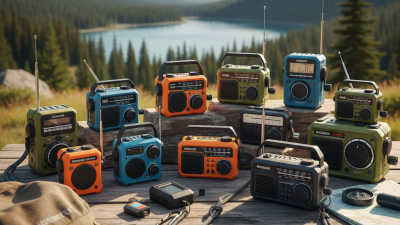
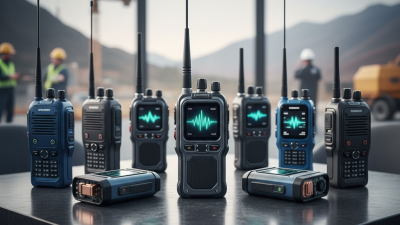
In today's fast-paced world, effective communication is vital, especially during outdoor adventures. GMRS radios have become essential for staying connected in remote areas. These radios enhance safety and coordination for hikers, campers, and outdoor enthusiasts.
Imagine you're hiking in a dense forest. Your group is spread out, and the signal on your mobile phone fails. With GMRS radios in hand, you can easily communicate, ensuring everyone stays together. They are reliable, offering a range that extends well beyond traditional walkie-talkies. This functionality provides peace of mind in unpredictable environments.
Despite their benefits, GMRS radios can be daunting for newcomers. The variety of models and features can overwhelm. Not every radio is suited for every situation. Reflecting on your specific needs is crucial. Choosing the right GMRS radios can make all the difference in your outdoor experience.
The Importance of GMRS Radios in Outdoor Adventures
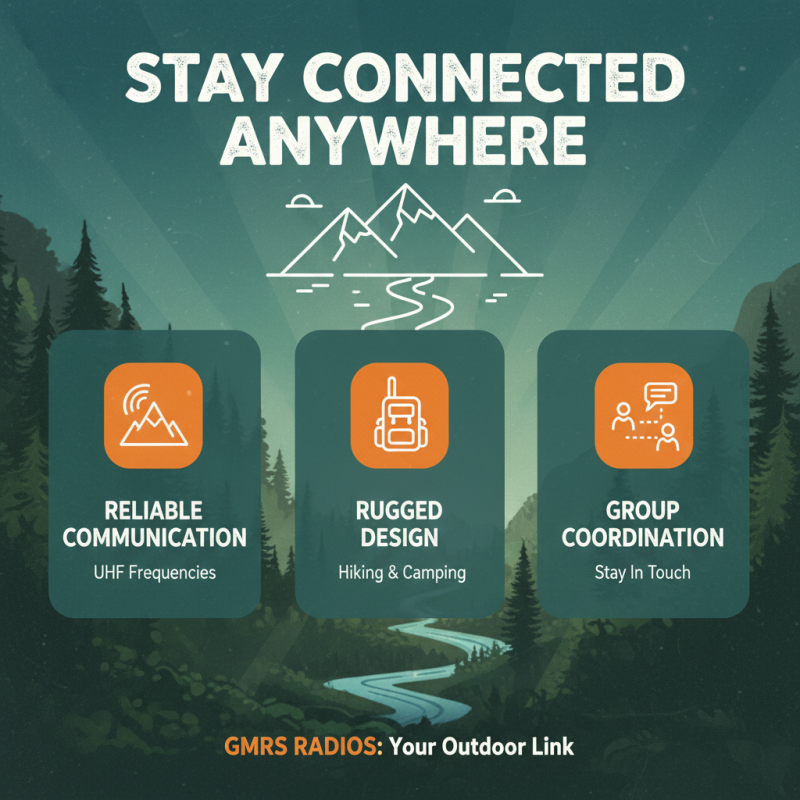
When heading into the great outdoors, staying connected is essential. GMRS radios provide reliable communication in remote areas. These devices operate on UHF frequencies, allowing clear voice transmission. The rugged design makes them suitable for various outdoor activities, including hiking and camping. You can easily stay in touch with your group while exploring.
Using GMRS radios enhances safety during adventures. In case of emergencies, quick communication can make a difference. Imagine getting lost in the woods or facing sudden weather changes. Having a dependable radio can ease anxiety and help coordinate rescue efforts. It’s a bit daunting to think about, but being prepared can save lives.
Many adventurers overlook the importance of communication tools. They rely on mobile phones, unaware of limited service in remote areas. This oversight can lead to frustration. Not every moment will go as planned, and it’s crucial to have backup options. Investing in a GMRS radio can seem excessive, but the peace of mind it brings is invaluable.
Key Features to Look for in 2026 GMRS Radios
When selecting GMRS radios for outdoor adventures in 2026, key features play a crucial role. Think about range. A longer range ensures clear communication with your group. Look for models that offer at least a 5-10 mile range. However, remember that obstructions like trees and hills can limit this. Check battery life too. You don’t want your radio dying in the middle of a hike.
A user-friendly interface is also important. Controls should be easy to navigate. Look for large buttons and clear displays. This is especially important when you’re trying to communicate quickly. Water and dust resistance is a must. It can be unpredictable outdoors. Your radio should withstand rain or dust without issues.
Tips: Consider getting additional batteries for long trips. Rechargeable options can save you money in the long run. Also, familiarize yourself with features like privacy codes. They help reduce interference from nearby channels. Keep in mind that some models may have steep learning curves. Don't shy away from practicing before your adventures.
2026 Top GMRS Radios for Effective Communication and Outdoor Adventures
| Model |
Range |
Battery Life |
Water Resistance |
Price |
| Model A |
Up to 50 miles |
24 hours |
IP67 |
$89.99 |
| Model B |
Up to 30 miles |
20 hours |
IP54 |
$69.99 |
| Model C |
Up to 25 miles |
16 hours |
IP65 |
$49.99 |
| Model D |
Up to 60 miles |
30 hours |
IP68 |
$99.99 |
Top-rated GMRS Radios for Effective Communication
When it comes to outdoor adventures, reliable communication is essential. GMRS radios stand out for their clarity and range. These devices are not only effective but also user-friendly. You can easily connect with friends during hiking trips or camping outings. Imagine being deep in the woods and having the ability to speak without a mobile network.
Selecting the right GMRS radio involves assessing various features. Battery life is crucial, especially on long journeys. It's frustrating when a device dies at critical moments. Look for models that offer durability and water resistance. They can handle the elements, ensuring you remain connected no matter the weather.
Some users find programming channels a bit challenging. It’s worth taking time to understand these functions before hitting the trail. Take advantage of tutorials or user guides; they can make a difference. Remember, trial and error is part of the learning process. The more you practice, the more confident you'll feel. Investing time in mastering your device enhances safety on every outdoor adventure.
Comparative Analysis of 2026 GMRS Radios Performance
In 2026, GMRS radios have evolved significantly, making them essential for outdoor enthusiasts. Performance analysis shows a marked increase in clarity and range. Recent reports indicate that many models now exceed a communication range of 30 miles under optimal conditions. This improvement enhances connectivity in remote areas.
Selecting the right GMRS radio involves considering battery life and sound quality. Some devices offer over 20 hours of battery, which is crucial for extended outdoor trips. However, users should note that environmental factors can drastically affect performance. It’s wise to conduct range tests before relying on a device in critical situations.
**Tips:** Always check if the radio is weatherproof. An unexpected rain can ruin your device. Consider investing in a portable charger. Keeping your radio powered enhances its reliability during adventures. Be realistic about the mixed performance; some radios may struggle in dense forests. Test multiple units before making a final choice.
2026 GMRS Radios Performance Comparison
Safety Considerations When Using GMRS Radios Outdoors
When using GMRS radios during outdoor adventures, safety is paramount. These devices enhance communication but can also lead to risks if not used wisely. Always consider your surroundings. High elevations or dense forests may affect signal range. Without proper planning, you might find yourself disconnected when it matters most.
When exploring, always test your radio before heading out. This simple step can save you from communication issues later. Make sure your device is fully charged. A dead battery can leave you stranded. Prepare extra batteries or a portable charger for longer trips.
Be mindful of your environment while using GMRS radios. Wind or heavy rain can disrupt signals. Avoid relying solely on radios in emergencies. Carry a map or compass as backup. They require no power and can guide you back to safety. Put safety above all else. Sometimes technology fails, but good old-fashioned knowledge will keep you secure.