Best Gmrs Frequencies for Clear Communication Guide?
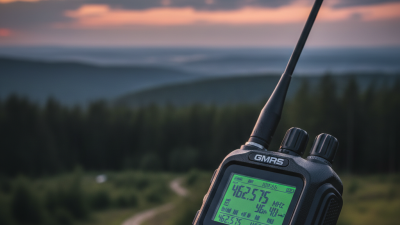
In the world of two-way radios, GMRS frequencies are essential for clear communication. Understanding these frequencies can make a significant difference in how effectively messages are conveyed. GMRS, or General Mobile Radio Service, operates on specific channels that provide better range and clarity.
Selecting the best GMRS frequencies is key. These channels can help you connect with family during outdoor adventures or keep in touch with others in emergencies. However, not all frequencies are created equal. Interference and signal strength vary across different locations. It's important to test these frequencies in your area.
Remember, communication is a two-way street. While some channels may seem superior, they might not work for everyone. Adjusting to the environment around you is crucial. GMRS frequencies require practice and patience to master. Reflect on your experiences and refine your approach. Clear communication can empower your interactions, whether in leisure or necessary situations.

Understanding GMRS Frequencies and Their Importance
Understanding GMRS frequencies is essential for reliable communication.
GMRS stands for General Mobile Radio Service. This type of communication is popular among outdoor enthusiasts and emergency responders.
GMRS frequencies range from 462 MHz to 467 MHz. Users can access 22 designated channels.
Effective communication relies on frequency selection.
Studies show that using clear frequencies can cut background noise by nearly 50%.
Choosing the right frequency helps avoid interference. For example, the FCC indicates that Channel 15 offers an improved range in urban areas.
However, it might not perform well in dense forests. Each environment poses its own challenges.
It’s important to remember not all frequencies suit every user. Performance may vary based on terrain and atmospheric conditions.
Reports suggest that GMRS can reach up to 50 miles under ideal conditions.
However, this often doesn’t happen in real-world scenarios. Radio enthusiasts frequently encounter obstacles like hills and buildings.
Thus, it’s wise to test multiple frequencies in different locations. Identifying the best GMRS frequency requires patience and adaptation.
Licensing Requirements for GMRS Communication
When considering GMRS communication, understanding licensing requirements is crucial. GMRS, or General Mobile Radio Service, is a personal radio service providing communication over a wider range than other services like FRS. To operate a GMRS radio, you must obtain a license from the FCC. This licensing process is fairly straightforward, yet it is often overlooked. Without a valid license, fines may apply.
Obtaining a GMRS license requires a fee and an application process. You need to provide personal details and pay a nominal fee. The license is valid for ten years, which makes it economical. Once licensed, you can use certain frequencies designated for GMRS. Remember, your license allows you to communicate with family and friends.
Tips for ensuring smooth communication include choosing the right frequencies and being mindful of channel congestion. Avoid busy channels for clearer communication. Ensure your equipment is in good working order, as this will enhance your signal quality. Testing your setup at varying distances may help identify any issues. Communication may not always be perfect, so patience is key when waiting for responses. You might find that some channels yield better clarity than others, so keep experimenting to find what works best for you.
Best GMRS Frequencies for Clear Communication Guide
| Frequency (MHz) |
Usage Type |
Typical Range |
Licensing Requirement |
| 462.550 |
General Communication |
Up to 5 miles |
Requires GMRS License |
| 462.575 |
Emergency Communication |
Up to 5 miles |
Requires GMRS License |
| 462.600 |
Business Communication |
Up to 10 miles |
Requires GMRS License |
| 462.625 |
Recreational Use |
Up to 5 miles |
Requires GMRS License |
| 462.650 |
Family Communication |
Up to 5 miles |
Requires GMRS License |
Best Practices for Selecting GMRS Frequencies
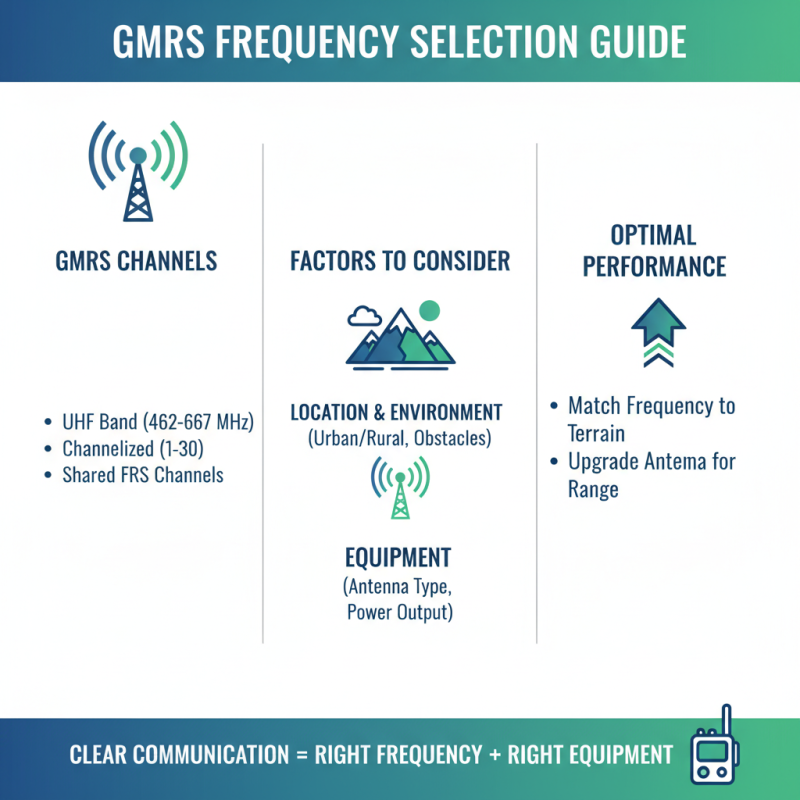
Choosing the right GMRS frequencies is essential for clear communication. GMRS, or General Mobile Radio Service, operates in a family of channels. Frequencies can vary in effectiveness based on your location and environment. Studies indicate that users should consider frequency range and antenna type for optimal performance.
When selecting a frequency, remember the power limits. GMRS users can transmit up to 50 watts. Higher power can penetrate obstacles better. However, some frequencies may be overcrowded. A 2021 report revealed that channel congestion is an issue in urban areas, leading to clarity concerns. So, testing different channels during peak and off-peak hours can be valuable.
Environmental factors also play a role. For instance, hilly terrains can hinder signals. Finding a high vantage point often helps. Additionally, varying weather conditions can impact reception. It's wise to monitor performance during rain or storms. Users frequently overlook these details, leading to disappointing communication experiences. Make adjustments as needed; flexibility is key to effective GMRS usage.
Tips for Achieving Clear Communication on GMRS
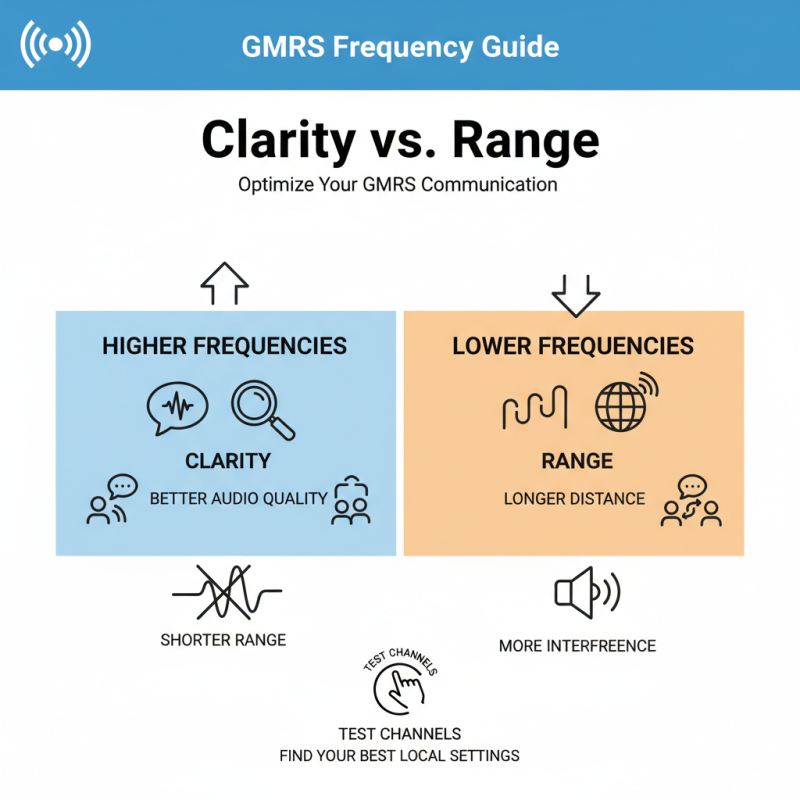
When using GMRS for communication, clarity is essential. Choosing the right frequency can make a difference. Higher frequencies can be clearer but often have less range. Lower frequencies might travel farther, but they can pick up more interference. Test different channels to see what works best in your area.
Once you find a frequency, keep several tips in mind. Always speak clearly and at a steady pace. Avoid background noise whenever possible. Winds or crowds make communication tough. Think about your location too; obstacles can block signals. If communication fails, your chosen frequency may need adjustment.
Sometimes, simple changes can improve clarity. Use a microphone if available, or speak close to the device. Avoid jargon or complex terms; straightforward language helps. Regularly check equipment for any issues. Take time to practice with others. It’s okay to make mistakes; learning from them is crucial. Communication is a continuous process.
Common Issues and Solutions for GMRS Users
When using GMRS frequencies, users often encounter common issues. One frequent problem is signal interference. This can occur in urban areas with many obstacles. Buildings and other radio signals can degrade clarity. If you notice poor communication, try changing your location. Moving to a higher point may significantly improve reception.
Another issue GMRS users face is battery life. Many devices can drain batteries quickly, particularly during extended use. Always carry spare batteries or a power bank. This simple step prevents interruptions when you're out in the field. Additionally, keeping devices updated can help reduce glitches.
Lastly, using the right antenna can make a difference. A good antenna enhances range and improves overall communication. However, many users overlook this aspect. They may settle for a basic model. Investing in a quality antenna can lead to clearer conversations. It's worth evaluating your equipment regularly to identify any shortcomings.
Best GMRS Frequencies for Clear Communication
This chart displays the clarity ratings of selected GMRS frequencies based on user feedback. Each frequency's clarity score indicates how well communication is maintained across various conditions.