What Are the Best Ham Radios for Global Communication?
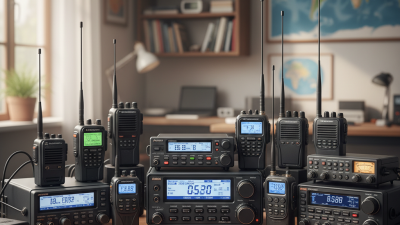
Ham radios have long been a staple for global communication enthusiasts. These devices allow users to connect over vast distances, often in situations where regular communication tools fail. Exploring the best ham radios for this purpose can lead to exciting discoveries.
When selecting a ham radio, reliability is key. Users need equipment that can operate under various conditions. Different types of radios cater to different needs, from portable units to base stations. It's essential to consider features like frequency range and power output. These factors play a significant role in determining the effectiveness of global communication.
While many ham radios are praised for their capabilities, not all meet every user’s requirements. Some models may offer excellent power but fall short in ease of use. Additionally, the learning curve for new users can be steep. Having a solid understanding of ham radio operations is crucial. A balance between user-friendliness and advanced features is often a dilemma for beginners and seasoned users alike. Exploring options thoroughly can yield the best solutions for diverse communication needs.
What Factors to Consider When Choosing a Ham Radio for Global Use
When choosing a ham radio for global communication, there are several factors to consider. First, the frequency range is crucial. A wide frequency range allows operators to connect across different bands. Many users prefer multiband radios for diverse communication options. This flexibility can significantly enhance your ability to reach distant contacts.
Portability is another vital element. If you plan to travel, a compact and lightweight model is useful. Handheld radios are often the best choice for mobility. However, their smaller size can mean limited battery life. Some users may find this aspect frustrating during extended operations. Evaluating your communication needs against available options can be challenging.
Power output is also essential. A higher wattage generally yields better range and clarity. But more power often means more power consumption. Users might end up grappling with battery management issues. Additionally, the quality of antennas can affect overall performance. Investing in the right antenna can drastically improve your signal. Experimenting with different setups can lead to unexpected discoveries. Each choice you make shapes your overall experience with ham radio.
Comparison of Frequency Bands: 10m, 20m, and 40m for Worldwide Communication
When exploring ham radios for global communication, frequency bands play a crucial role. The
10m band is ideal for short-range communication. It offers a wide open space for operators.
However, it can be hit or miss, depending on solar activity. During peak sunspots, the 10m can be vibrant,
while at other times, it may fall silent. This unpredictability can be frustrating for new users.
The 20m band serves as a great middle ground. It balances long-distance and reliable connectivity.
Many operators find success with it during various times of the day. This band also allows for easier conversations across continents.
However, it's not immune to noise and interference. Operators must refine their skills to navigate these challenges effectively.
The 40m band shines for evening operations. It has excellent propagation during
nighttime, making it a favorite for many ham enthusiasts. However, its limited range can restrict communication. Users sometimes face
difficulties contacting far-off locations. Balancing these factors is essential for effective global communication.
Each band has its strengths and weaknesses. This unique interplay invites continuous learning for ham radio operators.
Top Features to Look for in a Global Communication Ham Radio
When choosing a ham radio for global communication, certain features are crucial. Frequency range is one of the most important. A wider range allows you to access more bands and communicate over various distances. Look for radios that cover HF, VHF, and UHF bands. This versatility is particularly valuable for reaching distant stations.
Another critical aspect is the power output. Radios with higher power output can often transmit signals over longer distances. However, efficiency and battery life should also be considered. Using a high-power setting can drain your battery quickly. Compact models with low power settings might limit your reach but offer extended use during emergencies.
Durability is essential too. A robust design can withstand harsh conditions, while weather resistance protects your equipment. While feature-rich models may seem appealing, it's essential to assess what you genuinely need. Many users find themselves overwhelmed by advanced features. A simpler, reliable unit can often fulfill basic communication needs just as well. Don't rush into a purchase. Reflect on how you plan to use your radio for the best overall experience.
What Are the Best Ham Radios for Global Communication?
| Model |
Frequency Range |
Power Output |
Modes Supported |
Weight |
Price Range |
| Model A |
HF, VHF, UHF |
100W |
SSB, CW, FM, Digital |
2.5 kg |
$700 - $800 |
| Model B |
HF, VHF |
50W |
SSB, CW, FM |
3.0 kg |
$600 - $700 |
| Model C |
HF |
100W |
SSB, CW |
1.5 kg |
$500 - $600 |
| Model D |
VHF, UHF |
5W |
FM, Digital |
0.5 kg |
$150 - $200 |
| Model E |
HF, VHF, UHF |
200W |
SSB, CW, FM, Digital |
4.0 kg |
$900 - $1100 |
Best Ham Radio Models Based on User Ratings and Expert Reviews
When exploring ham radios for global communication, user ratings and expert reviews play a crucial role. The
American Radio Relay League (ARRL) reports that over 70% of amateur radio operators value performance and durability in their equipment. This statistic underscores the significance of quality in devices used across vast distances.
Top-rated ham radios often feature robust power capabilities, with some models offering output levels exceeding 100 watts. These units enhance communication range and clarity. Expert assessments note that ease of use is equally important. Many operators prefer devices with intuitive interfaces, allowing quick adjustments during emergencies.
Flexibility in frequency bands is essential, too. Studies show that radios allowing access to HF, VHF, and UHF bands are favored. They provide diverse options for varying conditions. Yet not all devices perform equally well under extreme weather or interference. As user forums discuss, some radios struggle in challenging environments.
Feedback often reveals frustrations over digital modes and compatibility, prompting manufacturers to improve designs. Balancing features and reliability remains a common challenge in the industry.
Understanding Licensing Requirements for International Ham Radio Operation
Understanding the licensing requirements for international ham radio operation can be complex. Each country has its own set of regulations. Ensure you know the rules before you transmit. The International Telecommunication Union (ITU) sets guidelines that many countries follow. However, local regulations greatly vary, often affecting frequencies and power limits.
For example, in the United States, obtaining a license typically requires passing an exam. The exam tests knowledge of radio theory and regulations. Many resources are available, yet some potential operators struggle with the technical aspects. According to the ARRL, or the American Radio Relay League, about 80% of individuals pass the licensing exam, but barriers remain for others.
International communications may also have restrictions. Some countries require specific licenses for certain frequencies. Operating in foreign jurisdictions without the correct license can lead to serious penalties. Engaging with local ham radio clubs can facilitate the learning process. This is often a tested approach to navigating the intricate world of global ham radio operations. However, expect challenges along the way, as local nuances can be surprising.