How to Choose the Best Portable Radio for Your Needs?
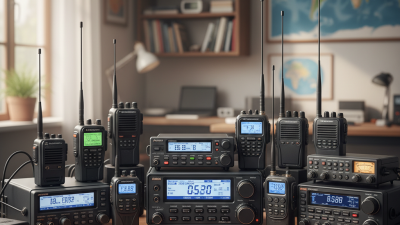
Choosing the best portable radio can feel overwhelming. With so many options, how do you decide? A portable radio is more than just a device; it's a lifeline in various situations. Whether you're camping, during a power outage, or just enjoying a picnic, the right radio can enhance your experience.
Consider the features that matter most. Do you need AM/FM or digital capabilities? Portability is key, but don't overlook battery life. Some models might be lightweight but lack endurance. An ideal choice is a balance of sound quality, durability, and ease of use. It’s important to explore user reviews. They often highlight pros and cons you might not consider initially.
Reflecting on your specific needs will lead to a better choice. Ask yourself: What will I use the portable radio for? This question reveals preferences. It is okay if you change your mind. Portable radios can serve various purposes, and flexibility is an asset. Be prepared to do your homework and adjust your criteria as needed. A mindful selection can make all the difference in your listening enjoyment.
Understanding Your Requirements for a Portable Radio
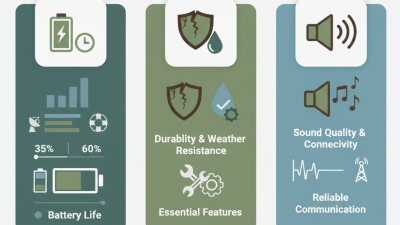
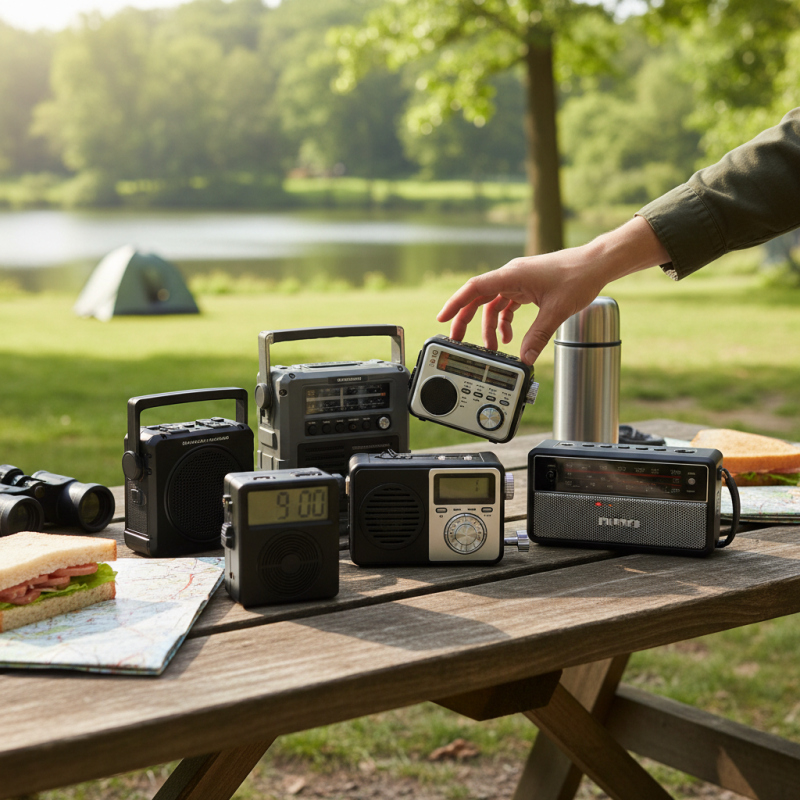
When choosing a portable radio, it's crucial to understand your specific needs. Are you using it for outdoor activities, emergencies, or simply to enjoy music on the go? A survey by the Consumer Electronics Association highlights that 35% of users prioritize battery life, showcasing its importance in product selection. If you frequently camp or travel, a long-lasting battery can enhance your experience significantly.
Sound quality is another critical factor. According to a report from Nielsen, 70% of consumers consider audio clarity essential. Portable radios vary widely in sound quality, so listening to a model can reveal its true capabilities. Compact designs often compromise on sound. While portability is essential, balancing size with sound quality is necessary.
Moreover, consider connectivity options. Many modern portable radios feature Bluetooth or FM/AM diversity. However, having too many features may complicate usability. Sometimes, simpler models work better. When in doubt, prioritize what you value most. Every user’s needs differ, and reflecting on your unique situation will lead to better choices.
Key Features to Consider in a Portable Radio
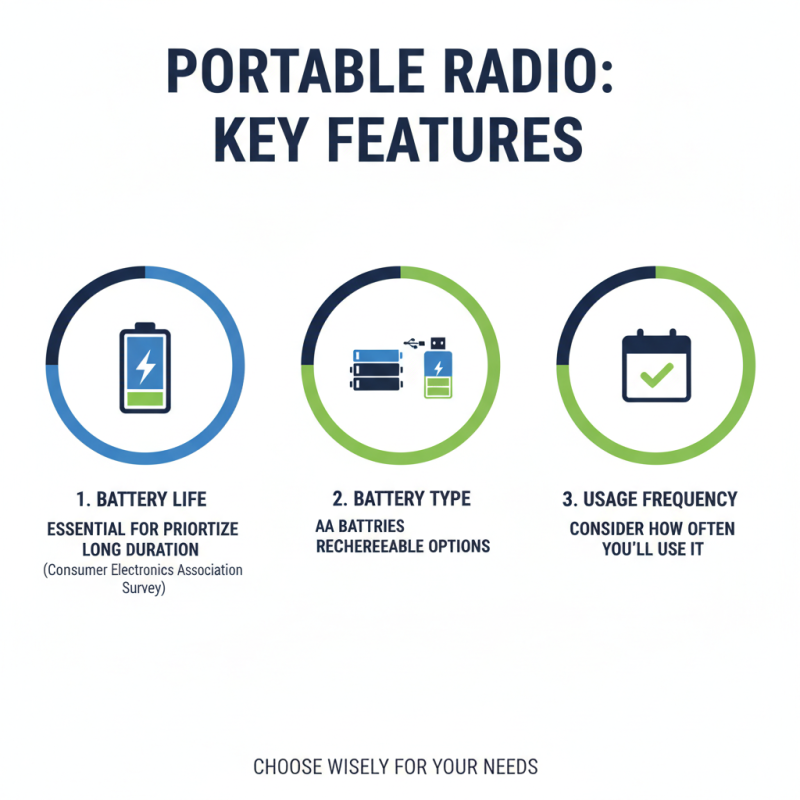
When selecting a portable radio, several key features can greatly impact your experience. Battery life is essential. A survey from the Consumer Electronics Association found that 65% of users prioritize long battery duration for outdoor use. Radios may use AA batteries or have rechargeable options. Consider how often you will use the radio and choose accordingly.
Sound quality is another vital factor. Look for radios that offer clear reception and good audio output. If you plan to use your radio in noisy environments, features like noise reduction can be beneficial. A report from TechRadar indicates that user satisfaction often depends on audio clarity, especially during sports events or emergencies.
**Tips:** Always check if the radio has FM/AM capabilities. This adds flexibility to your listening choices. Also, think about portability. Some models are lighter, making them easier to carry. Make sure the device is durable, especially if it will be used outdoors. Evaluate your specific requirements and revisit your choice if the radio does not meet them.
Evaluating the Sound Quality and Battery Life
When choosing a portable radio, sound quality and battery life are crucial factors. You want a radio that delivers clear audio without distortion. Listen to different models before making a decision. Pay attention to volume levels and how bass and treble are balanced.
Battery life is equally important, especially for outdoor use. A quality radio should offer several hours of playtime on a single charge. Look for efficiency in energy use. Some radios have energy-saving modes, which can be useful during long camping trips. However, not all portable radios manage battery life well. It's essential to read reviews and consider user experiences.
You might face challenges finding the perfect model. Many portable radios compromise sound quality for battery life. Others may have excellent audio but require frequent charging. Understanding these trade-offs helps you make a more informed choice. Testing a few models can reveal their strengths and weaknesses. Always consider your specific needs and usage scenarios.
Comparing Different Types of Portable Radios
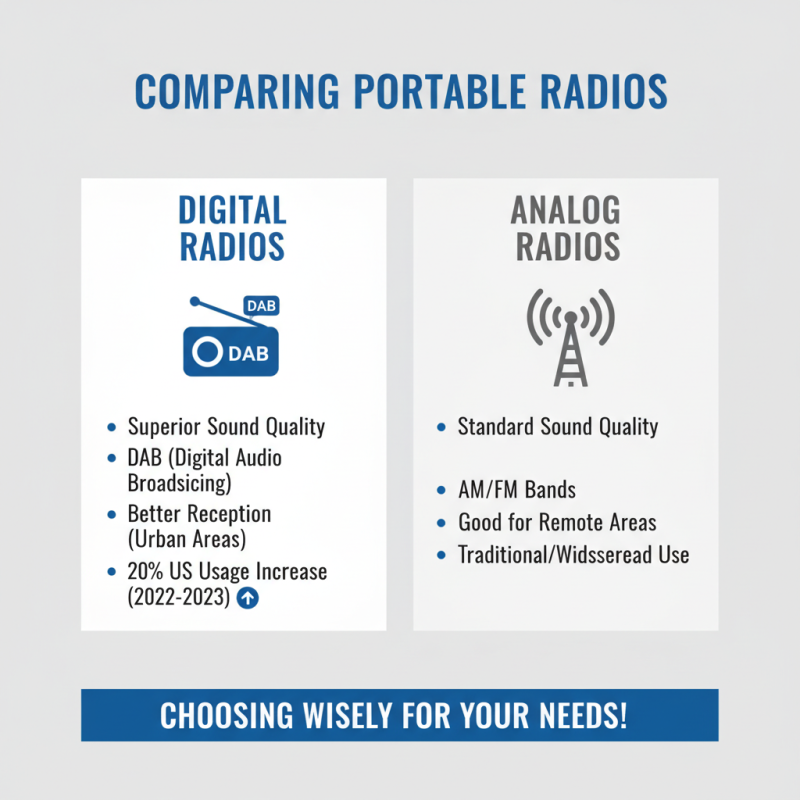
When choosing a portable radio, understanding the types available is crucial. Digital radios offer superior sound quality and often include features like DAB (Digital Audio Broadcasting) for better reception. According to the Consumer Technology Association, digital radio use in the U.S. increased by 20% in the past year, reflecting its popularity. These radios are especially useful in urban areas where signal strength can vary.
Analog radios remain popular for their simplicity. They rely on traditional FM/AM signals and are often more affordable. A study by the National Association of Broadcasters revealed that 70% of Americans still listen to AM/FM radio regularly. This suggests a strong demand for straightforward devices, particularly among older demographics. However, users might find limitations in audio quality compared to digital models.
Battery life is another important factor. Some models offer up to 30 hours on a single charge, while others may last only a few hours. Users should often assess their specific needs based on usage scenarios, like camping or emergency situations. Additionally, size and weight can impact portability, as some radios may be too bulky for travel. Evaluating these aspects can guide you in making an informed decision tailored to your lifestyle.
Budget Considerations and Best Options Available
Choosing the right portable radio can be challenging, especially with numerous options and budget considerations. According to recent industry reports, the average consumer spends approximately $50 to $150 on portable radios. This range offers a wide variety of features, ensuring that there is something for everyone.
When considering your budget, think about the essential features you need. For instance, battery life is critical. Many models claim up to 20 hours of playtime. However, real-world performance can vary. Some radios may not last as long, especially if you use high volume frequently. Additionally, sound quality can differ greatly. For a clearer experience, look for radios that provide specifications on speaker quality.
Another key factor is the type of reception. Digital radios generally provide better clarity and more station options. However, they might be pricier. A report by the Consumer Electronics Association indicated that over 60% of users prefer models with AM/FM and Bluetooth connectivity for versatile listening options. Users should weigh these factors against their budget. Adjusting your expectations based on reliable reviews will enhance your chances of finding a suitable option.