Why Choose Ham Radios for Effective Communication in Emergency Situations?
In emergencies, reliable communication is crucial. Ham radios stand out as dependable tools. Experts emphasize their value. For instance, Jim Brown, a well-known Ham radio operator, once said, "Ham radios can connect you when all else fails." This sentiment highlights their importance during crises.
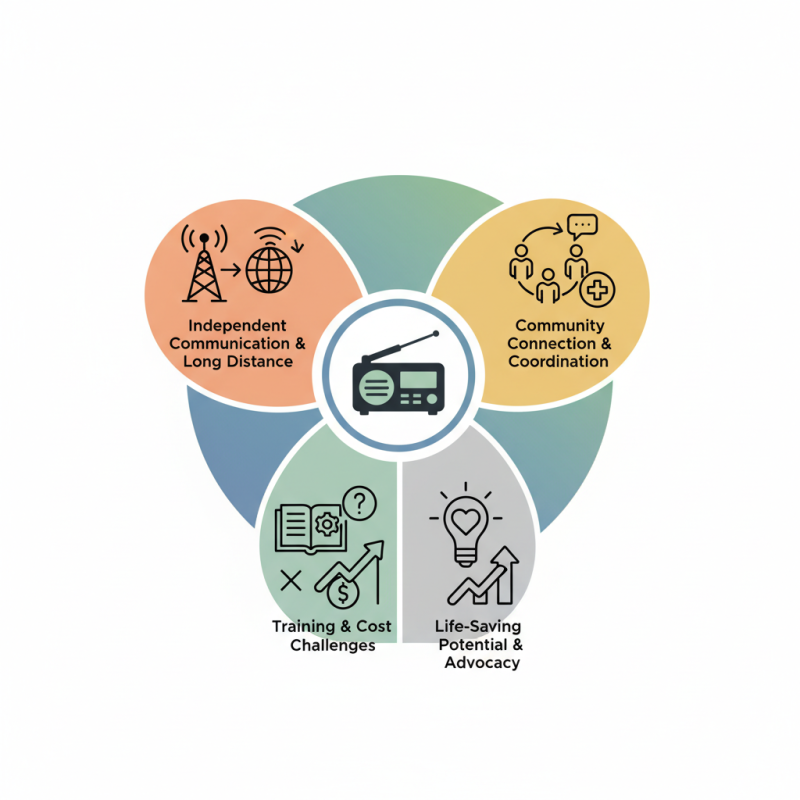
Ham radios operate independently of commercial networks. They rely on radio frequencies, which can transmit over long distances. This feature is vital when cell towers are down. Users can send messages, share critical information, and coordinate rescue efforts. These devices foster connections among communities that might be cut off from mainstream communication.
However, there are challenges. Not everyone knows how to operate Ham radios effectively. Training is vital for optimal use. Additionally, equipment can be costly. It might require resources beyond some individuals' reach. Despite these hurdles, Ham radios remain a valuable asset in emergency situations. Their potential to save lives is undeniable. Organizations should advocate for greater access and education in Ham radio communication.
Benefits of Ham Radios in Emergency Scenarios
Ham radios are essential tools in emergency situations. When disasters strike, traditional communication systems may fail. In fact, a report from the Federal Emergency Management Agency (FEMA) states that up to 30% of communication networks can become inoperable during emergencies. Ham radios are reliable alternatives. They operate independently of commercial networks.
One significant benefit of ham radios is their long-range capability. They can transmit signals over hundreds of miles. This distance is crucial when local infrastructure is damaged. A study from the International Amateur Radio Union (IARU) highlights that ham radios connected people during natural disasters, allowing timely coordination for rescues. Additionally, ham radios can work in remote areas where other forms of communication may not be available.
Tip: Regular practice with your ham radio boosts familiarity. You may need quick access to essential skills during a crisis. Always keep spare batteries and supplies for your equipment.
Tip: Tune in to local emergency frequencies. This ensures you receive vital updates. Knowing how to use these channels beforehand can save lives.
While ham radios have many advantages, they do require a license and some technical knowledge. This learning curve can be daunting for newcomers. However, the investment in training pays off during emergencies.
Why Choose Ham Radios for Effective Communication in Emergency Situations? - Benefits of Ham Radios in Emergency Scenarios
| Benefit |
Description |
Use Case |
Frequency Range |
| Reliable Communication |
Ham radios can function independently of the internet and local cellular networks. |
Natural disasters, during outages |
HF, VHF, UHF Bands |
| Long Range Communication |
Capable of reaching distant locations depending on the equipment and conditions. |
Remote area communications |
Variable, up to thousands of miles |
| Community Support |
Amateur radio operators often provide vital assistance in emergencies. |
Local emergency response coordination |
Varies with band and mode |
| Cost-Effective |
Once licensed, operating ham radios does not require monthly fees. |
Personal or community emergency networks |
Multiple bands available |
| Flexible & Modular |
Users can customize their setup with various equipment based on needs. |
Adaptability for different scenarios |
Wide frequency options |
Comparison with Other Communication Methods in Crises
Ham radios stand out in emergency situations when traditional communication fails. Unlike cell phones, ham radios do not rely on cellular networks. This makes them invaluable during natural disasters. In crises, power outages often limit access to mobile devices. Ham radios can function with simple batteries or solar power, ensuring messages get through.
While satellite phones offer connectivity, they can be costly. Sometimes, their signal may falter in dense environments. In contrast, ham radios are versatile and can transmit over long distances. The range varies, but skilled operators can reach help even in remote areas. However, the learning curve can be steep for beginners.
Tips: Always keep your equipment charged and ready. Practice using your ham radio under different scenarios. Regular drills can help build confidence. Understand your local emergency frequencies. This knowledge can make a significant difference when every second counts. Remember, relying solely on technology without practice can lead to miscommunication during a real crisis. It's essential to stay informed and prepared.
Technical Features of Ham Radios Supporting Emergency Use
Ham radios serve as a powerful tool for communication during emergencies. Their unique technical features are specifically designed to ensure reliability in critical situations. Firstly, ham radios operate on various frequency bands. This flexibility allows users to transmit messages over long distances. In remote areas, where cell towers may be down, these radios can maintain contact.
Another key feature is the ability to use low power. This can extend battery life, which is crucial when electricity is unavailable. Even with minimal power, ham radios can often connect to multiple operators. That increases the chance of receiving help.
Tips: Always keep spare batteries ready. Consider a solar charger for long-term usage. Test your equipment regularly to ensure it’s functional. Having a plan is important too. Write down emergency frequencies ahead of time.
Lastly, ham radios offer emergency services features like automatic location reporting. This can provide rescuers with critical information. However, many users may overlook basic skills needed for operation. Practicing these skills regularly can enhance effectiveness. Proper training is vital for effective use in crises.
Emergency Communication Effectiveness of Ham Radios
Licensing and Regulations for Ham Radio Operators in Emergencies
In emergency situations, communication is vital. Ham radios serve as a reliable option. However, there are licensing and regulations that potential operators must understand. To use ham radios legally, one needs a license. This process includes passing exams that cover technical knowledge and rules. Many people find the exam process challenging, and sometimes intimidating.
Yet, obtaining a license is essential. It ensures that operators understand frequency usage and equipment limitations. Knowing the rules can prevent interference with other communications. Many newcomers overlook the importance of this knowledge. They may jump into using ham radios without fully understanding the regulations. This can lead to mistakes and can hamper effective communication during emergencies.
Regulations can vary by region, adding a layer of complexity. Local laws influence how ham radios can be used in crisis situations. Ensuring compliance is crucial. Sometimes, neglecting to stay informed on changes to these regulations can pose risks. Reflecting on personal preparedness is part of becoming a responsible operator. It’s not just about passing the exam; it’s about being ready when communication matters most.
Real-Life Case Studies of Ham Radios in Disaster Response
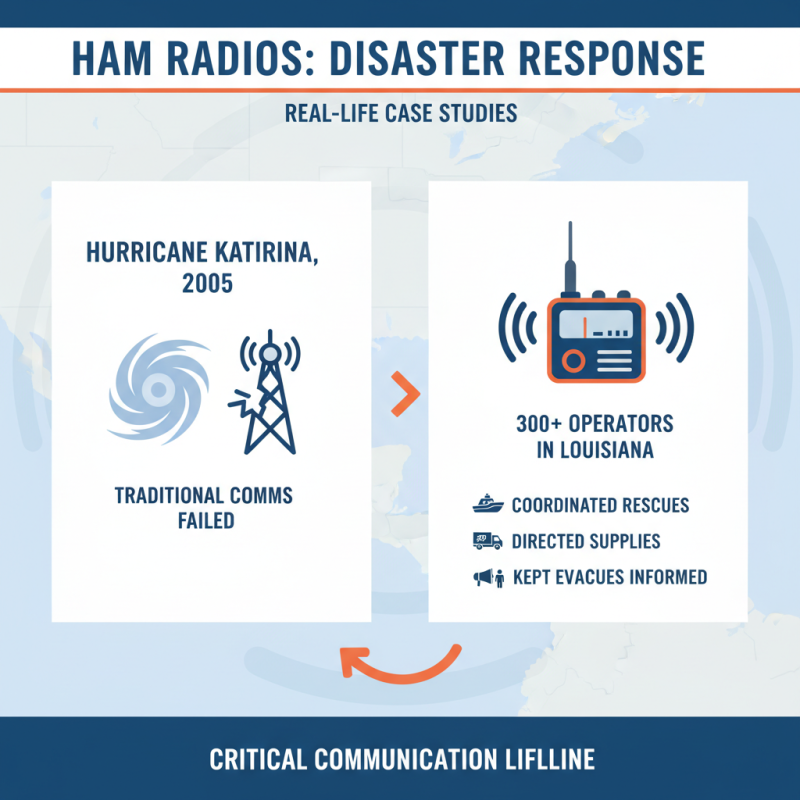
Ham radios have played a crucial role in disaster response. One notable example is the Hurricane Katrina catastrophe in 2005. During this storm, traditional communication lines were severed. Ham operators stepped in to provide critical communication among emergency services. Reports indicated that over 300 operators were active in Louisiana alone. Their efforts helped coordinate rescues, direct supplies, and keep evacuees informed.
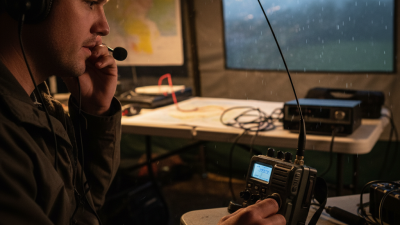
In California, ham radios were pivotal during the devastating wildfires of 2018. As cellular networks faltered, ham volunteers maintained communication for local agencies. They operated from makeshift stations, transmitting vital information. The American Radio Relay League documented thousands of messages sent, which guided emergency responders to affected areas. However, these situations show gaps in training and equipment among some volunteers.
Despite success stories, ham radio operators face challenges. Inconsistent knowledge and equipment quality can hinder effectiveness. This highlights the need for improved training programs. Awareness campaigns could help communities understand the importance of ham radios. Reliable communication is essential during crises. More preparation and education can make a difference when seconds count.