Top Tips for Choosing the Best GMRS Radios for Your Needs?
Choosing the right GMRS radios can be a daunting task. With various options available, making an informed decision is essential. Whether for personal use, outdoor adventures, or emergency situations, selecting a reliable device is crucial.
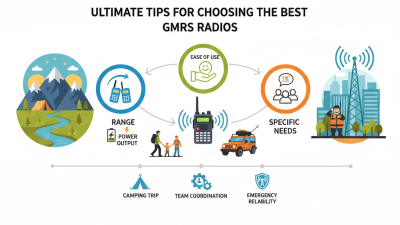
When shopping for GMRS radios, consider your specific needs. Think about range, power, and battery life. Some users prioritize features like weather alerts and privacy codes. Others may need a more rugged design for harsh environments. These factors can dramatically impact your overall experience.
Remember, not every GMRS radio is suitable for every situation. Research user reviews and expert opinions before purchasing. Real-world feedback can provide insights into how these devices perform. Flaws in a particular model may become evident through user experiences. Consider all these aspects to ensure you choose the best GMRS radios for your needs.
Understanding GMRS Radios: Key Features to Consider
When choosing a GMRS radio, several key features are essential. First, check the transmission range. This can vary significantly based on terrain and environment. A radio with a longer range is ideal for outdoor adventures. However, a shorter range might suffice for casual use within cities.
Battery life is another critical factor. Consider how often the radio will be used and for how long. Some models offer rechargeable batteries, while others depend on standard batteries. Durability matters too. Look for radios that can withstand rough conditions. Water and dust resistance ratings are beneficial if you plan to use them outdoors.
It’s also important to evaluate the ease of use. Look for intuitive controls and a clear display. Some features, like NOAA weather channels, can be useful during emergencies. Keep in mind that advanced features may increase complexity. Reflect on whether you need all those options or prefer simplicity. This balance between functionality and ease of use can make all the difference in your experience with GMRS radios.
Evaluating Range and Coverage for Your Location
When choosing GMRS radios, evaluating range and coverage is crucial. Different locations offer various obstacles. Urban settings have tall buildings. These can obstruct signals, reducing range. In contrast, rural areas may allow for much longer distances. However, even trees and hills can play a part.
Consider how far you need your radio to reach. Think about the maximum distance between users. Areas with dense foliage will require more powerful radios. If you often communicate in valleys or mountainous regions, opt for models designed for these terrains. Weather conditions also impact range. Rain or fog can hinder performance.
Testing your GMRS radios in real scenarios provides valuable insight. Try using them in different locations. Notice how range varies based on your environment. Take notes on areas with poor reception. This information helps you determine the best choice for your needs. Being mindful of these factors increases your chances of finding the right radio.
Assessing Battery Life and Charging Options
When selecting GMRS radios, assessing battery life and charging options is crucial. Many users overlook this aspect, which can significantly impact usability. A study revealed that nearly 30% of users reported dissatisfaction with battery performance. Good battery life is essential for extended use, especially during outdoor adventures or emergencies.
Consider models that offer at least 12 hours of battery life on a single charge. Rechargeable lithium-ion batteries are preferable for their longevity and efficiency. Some GMRS radios come with the option of solar chargers or detachable battery packs. This flexibility is beneficial for users who spend prolonged periods away from power sources.
Moreover, charging time varies greatly among different models. Research indicates that radios with fast-charge technology can recharge in under three hours. This can be a game changer when time is of the essence. Regularly reviewing the available options ensures you select a radio that meets your specific needs and preferences regarding battery reliability and charging convenience.
Top Tips for Choosing the Best GMRS Radios for Your Needs: Assessing Battery Life and Charging Options
| Model |
Battery Life (hours) |
Charging Option |
Extra Features |
| Model A |
24 |
Wall Charger |
Water Resistant |
| Model B |
20 |
USB Charging |
GPS Locator |
| Model C |
30 |
Car Charger |
Emergency Alert |
| Model D |
18 |
Rechargeable Battery Pack |
VOX Feature |
| Model E |
12 |
Solar Charging |
Dual Band Capability |
Comparing Price Points and Brand Reputation
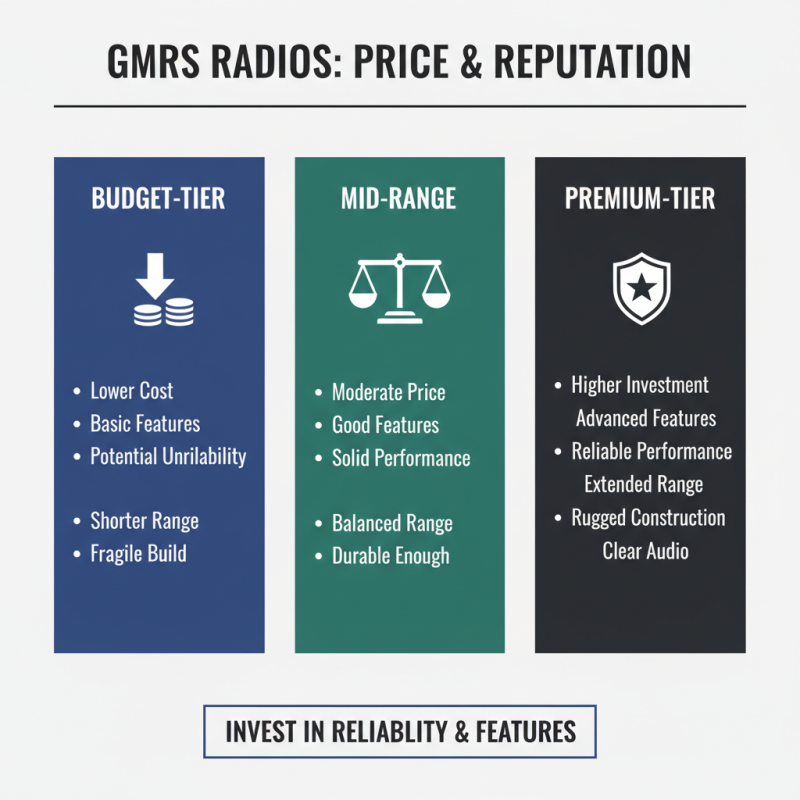
When selecting a GMRS radio, understanding price points is crucial. Many radios vary significantly in cost. A lower-priced radio may lack essential features. Be wary of overly cheap options, as they might not offer reliable performance. Investing a bit more can provide advanced functionalities. This includes better range, clearer audio, and more durable construction.
Brand reputation plays a significant role in your choice. Consider brands with a long history in the radio market. Check customer reviews and ratings. These can reveal the real experiences of users. Don't just rely on glossy advertisements. Sometimes, popular brands may not meet personal needs. It's worth reflecting on how often you plan to use the radio.
While a well-known brand can often provide reliability, some lesser-known names might surprise you. They sometimes offer great features at competitive prices. Take the time to compare different options. Look for warranty policies and customer service reviews. These factors can significantly influence your long-term satisfaction with your radio.
Identifying Additional Features for Enhanced Functionality
When choosing GMRS radios, additional features can significantly enhance functionality. These radios often come with diverse options that can improve your communication experience. For example, consider models that include weather alerts. This feature provides crucial information in emergencies. It can help you stay prepared for unexpected storms or severe conditions.
Another important aspect is battery life. Many GMRS radios offer extended battery options. These allow longer usage without frequent recharging. While some users appreciate the convenience of rechargeable batteries, others prefer replaceable ones for durability. It’s essential to think about your specific needs. Think about your usage environment. Will you be in remote areas with limited charging?
Advanced features like repeater capability can extend your communication range. This can be vital for outdoor activities like hiking or camping. However, not every user will need this complexity. It can add cost without adding value for those with simpler needs. Each of these features requires careful consideration. Reflect on what truly benefits your usage scenario and avoid unnecessary extras.
Top Tips for Choosing the Best GMRS Radios for Your Needs