2026 How to Use GMRS Frequencies Effectively for Communication?
In today's fast-paced world, effective communication is essential. GMRS frequencies offer a reliable solution for various situations. Whether for outdoor adventures or emergency preparedness, understanding GMRS frequencies can enhance your communication capabilities.
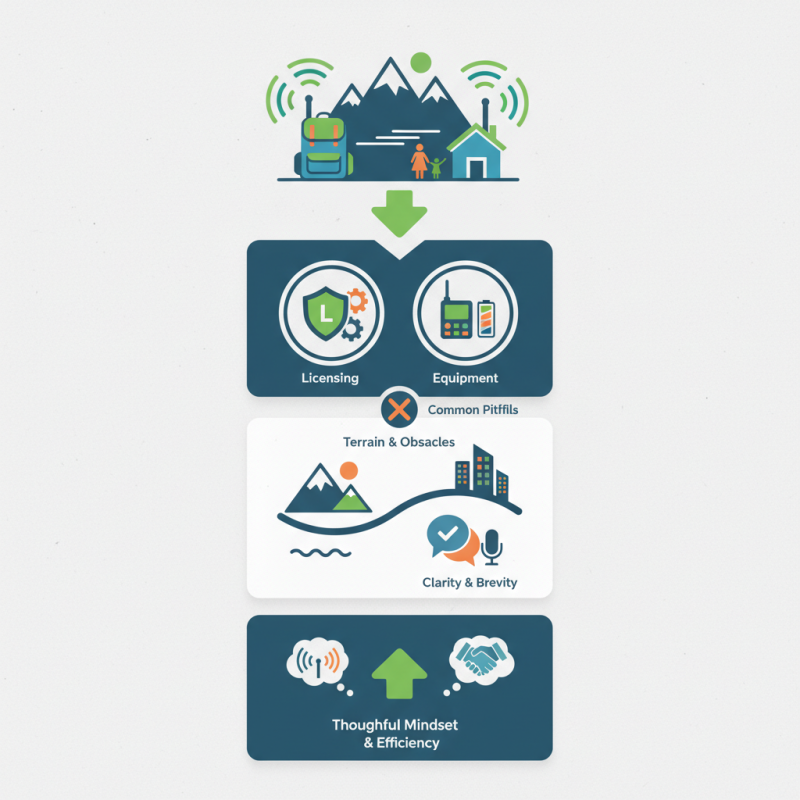
Using GMRS frequencies requires some knowledge. This includes understanding the licensing requirements and the proper equipment needed. Many users overlook these aspects. A lack of proper setup can hinder effective communication when it matters most.
Being aware of the environment is crucial. Terrain and obstacles can impact signal quality. Users should also consider how to practice good communication skills. Clarity and brevity are key here. This approach can help in both everyday use and critical situations. Embracing GMRS frequencies with a thoughtful mindset can significantly improve communication efficiency.
Understanding GMRS Frequencies: An Overview of General Mobile Radio Service
The General Mobile Radio Service (GMRS) is crucial for effective communication. GMRS operates between 462 and 467 MHz. This frequency range allows for reliable short-distance communication, especially in emergencies. The Federal Communications Commission (FCC) mandates a license for GMRS usage, underscoring its importance.
Many organizations report GMRS has a range up to 50 miles in ideal conditions. However, terrain and obstructions can significantly reduce this. Users must consider their environment. Mountains, buildings, and vegetation can hinder signal strength. A well-positioned antenna makes a difference.
When using GMRS, it's essential to understand the channel structure. There are 30 channels available, with some designated for repeaters. Choosing the right channel can optimize clarity. Many users struggle with selecting channels. Miscommunication can occur if users are on the wrong frequency. Awareness of others in the area is vital to avoid interference. Adapting to unexpected challenges is part of using GMRS effectively.
Legal Requirements for Using GMRS Frequencies: License and Regulation
Using GMRS frequencies for communication can be effective, but it comes with legal obligations. To operate on GMRS channels, users must obtain a specific license from the
Federal Communications Commission (FCC). This helps ensure responsible use of these public frequencies. Without a license, you could face penalties.
It's important to understand these legal requirements before jumping into GMRS communication.
To apply for a GMRS license, you must fill out Form 605. This form must include personal details, such as your name and address. The
FCC charges a fee for this application. Be prepared to wait as your application is processed. Make sure all information is accurate.
Missing or incorrect details can lead to delays.
Tips for using GMRS effectively:
- Choose the right channels. Some are crowded, while others are more clear.
- Test your equipment regularly to ensure it works well.
- Using a good antenna can enhance your communication range.
- Always remember, effective communication relies on knowing the rules.
Choosing the Right Equipment for Effective GMRS Communication
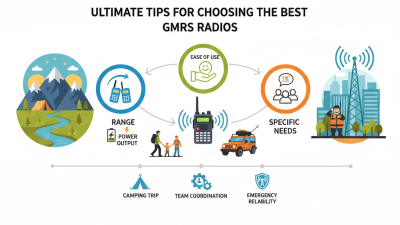
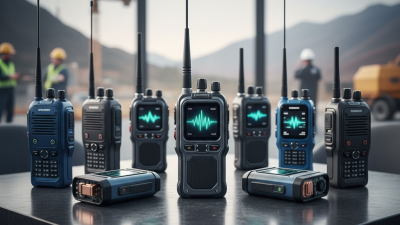
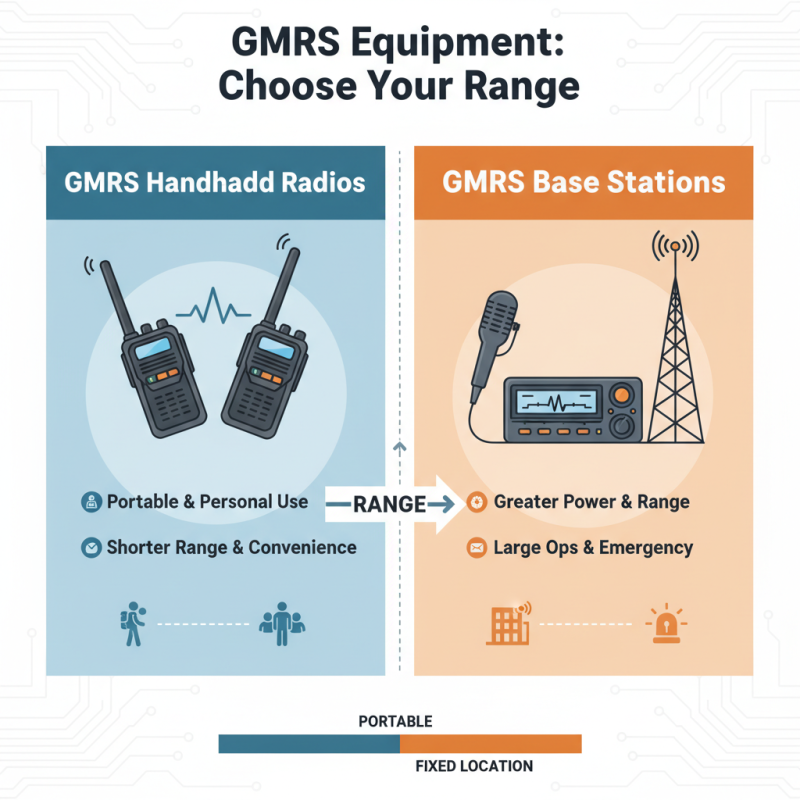
When selecting equipment for GMRS communication, consider the range you need. Handheld radios offer portable solutions. They are convenient for personal use and small groups. Base stations, however, provide greater power and range. They suit larger operations or emergency services.
Quality matters. Look for radios with clear audio and good battery life. Some may not perform well in tough conditions. Testing your equipment in various environments is crucial. Unexpected interference can occur, impacting communication.
Don't forget accessories. Earpieces can improve communication in noisy settings. External antennas boost range but require careful installation. Sometimes, users overlook these details. Proper setup maximizes GMRS effectiveness. Reflecting on your equipment choice can enhance your communication strategy.
Techniques for Maximizing Range and Clarity in GMRS Communications
Communicating effectively using GMRS frequencies requires understanding both equipment and environment. Reach can vary based on terrain and obstructions. High ground is often better for transmitting signals. Trees, buildings, and hills can block your message. Consider elevation when choosing a spot for communication.
Tips: Always test your equipment in different locations. Notice how distance and barriers impact clarity. Try to maintain a clear line of sight. This simple step can drastically improve your connection. The time of day also plays a role. Signals can weaken during busy hours.
To enhance clarity, adjust your antenna. A properly aligned antenna improves signal quality. Avoid talking too fast. Clear, deliberate speech ensures your message is received well. Sometimes, static or interference happens. If you encounter this, change frequencies if possible. Remember, communication is not just about talking; it’s about listening too. Being aware of surroundings helps in choosing the right moment to speak.
Best Practices for Emergency Communication Using GMRS Frequencies
When it comes to effective communication during emergencies,
GMRS frequencies can be crucial. These frequencies are designed for reliable short-distance communication.
However, simply having access to GMRS won't guarantee effective communication during a crisis.
It’s important to familiarize yourself with the nuances of these channels. Clear protocols and guidelines can greatly enhance the use of GMRS in tense situations.
Training is an essential aspect of GMRS communication. Regular practice sessions help everyone involved understand the equipment better.
This can include practicing message clarity under pressure. Mixed messages can lead to confusion in emergencies.
Keeping your messages concise is key.
Also, not everyone might be familiar with radio lingo.
Simplifying terms can bridge communication gaps.
Planning is equally important. Establish a communication plan before an emergency arises.
Decide which channels to use and when. Don't overlook the importance of a backup system.
Technical issues can arise unexpectedly. Frequent reviews of your plan can uncover flaws or areas for improvement.
Always be open to feedback and adjustments, as real situations might differ from drills.
Being prepared means being adaptable.