Essential Tips for Using the Military Alphabet Effectively?
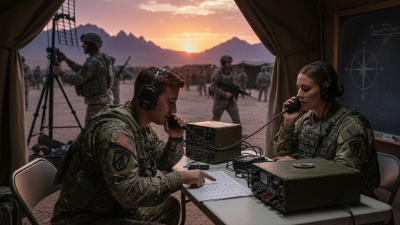
The Military Alphabet, also known as the phonetic alphabet, is essential for clear communication in various fields, especially in military and aviation environments. According to a report by the International Civil Aviation Organization (ICAO), miscommunication during radio transmissions can lead to severe consequences, including accidents. Therefore, understanding and using the Military Alphabet effectively is crucial for preventing such errors and enhancing operational safety.
In high-stakes situations, every word matters. The Military Alphabet provides clarity, ensuring that letters are conveyed accurately. Research highlights that over 60% of communication errors occur due to misinterpretation of similar-sounding letters. For instance, "B" and "D" can sound alike over a poor-quality radio. Thus, implementing the Military Alphabet helps eliminate ambiguity and promotes understanding among teams.
However, despite its effectiveness, many individuals struggle with its application. They may not fully grasp the significance of using the correct terms or might forget specific codes under pressure. Continuous training and practical exercises can address these shortcomings. Incorporating the Military Alphabet into everyday conversations can enhance memory retention and improve overall communication skills in demanding scenarios.
Understanding the Military Alphabet: An Overview of Its Purpose
The military alphabet serves a critical function in communication. Also known as the phonetic alphabet, it helps clarify spoken words, especially in noisy environments. Each letter corresponds to a specific word, making it easier to convey messages accurately. For example, "A" is represented by "Alfa" and "B" by "Bravo." This system reduces confusion, especially with similar-sounding letters.
Using the military alphabet can be surprisingly challenging. Many people might struggle to remember the words associated with each letter. Practice is essential. Frequent use in various situations can enhance familiarity. It's valuable to understand that errors can occur, requiring ongoing improvement. Formal training can boost confidence, but incorporating it into daily conversations makes it second nature.
Moreover, context plays a vital role in the military alphabet's effectiveness. The clarity of communication depends not only on recognizing the words but also on delivering them properly. Distractions or emotional stress can lead to mistakes, making it crucial to stay focused. Reflecting on one’s usage and seeking feedback can foster growth in communication skills. Understanding the military alphabet is not just about memorization; it involves continuous refinement and adaptability.
How to Memorize the Military Alphabet: Tips and Techniques
Memorizing the military alphabet can seem daunting, but there are effective techniques to simplify the process. One helpful method is to create associations with each letter. For example, think of "Alpha" as the first letter of the word "Airplane." This visual connection makes it easier to recall. You might even draw a picture that represents the word. These mental images help solidify your memory.
Flashcards are an excellent tool for practice. Write each letter on one side and its corresponding word on the other. Shuffle the cards and test yourself regularly. This repeated exposure reinforces your learning. Sticking to a routine, even for just a few minutes daily, can enhance retention.
Engaging with others can also aid memorization. Form a study group with friends or colleagues. Teach each other the alphabet, using real-life scenarios. You might find that discussing the letters in context—like during a mock radio communication—offers deeper understanding. Remember that everyone learns differently. Be patient with yourself to find the best approach tailored to your style.
Common Situations for Using the Military Alphabet Effectively
In many everyday situations, the military alphabet proves useful. When communicating over radio or phone, clarity is crucial. For example, when spelling out a name or location, using the military alphabet can prevent misunderstandings. Imagine a scenario where someone needs to relay a street address. Saying "Baker Street" over a crackly line can easily be misheard. But calling it "Bravo Alpha Kilo Echo Romeo" ensures accuracy.
Another common use arises in aviation or emergency services. Professionals often rely on this alphabet for clear communication under pressure. In a noisy environment, using the military alphabet can help avoid errors. A dispatcher may need to convey critical instructions. If someone hears "Charlie" instead of "C," the consequences could be severe. Miscommunication can lead to delays or even accidents.
While the military alphabet is helpful, it requires practice for effective use. Many struggle with memorization, mixing letters up in tense situations. It’s important to learn and apply it consistently. Mistakes can happen, and reflection is key to improvement. Regular training sessions can enhance proficiency, ensuring clearer communication in high-stakes scenarios.
Avoiding Miscommunication: Best Practices with the Military Alphabet
Using the military alphabet can greatly reduce miscommunication, especially in high-stress environments. Each letter is assigned a specific word, creating clarity. For example, “A” is “Alpha,” not just a letter. This method helps avoid confusion over similar-sounding letters.
When using the military alphabet, pronunciation matters. Make sure each word is spoken clearly. If someone struggles with a name, repeat it slowly. Be patient; misunderstandings can happen. It’s essential to encourage others to ask for repetition if they are uncertain.
In group settings, establish common standards. Everyone should know the code words. This shared knowledge helps maintain a cohesive communication system. Consider practicing the alphabet in various scenarios to build confidence. Mistakes will occur, but they offer valuable learning moments. Observing these interactions can highlight areas needing improvement.
Essential Tips for Using the Military Alphabet Effectively
| Letter |
Word |
Pronunciation |
Tip for Use |
| A |
Alfa |
AL-fah |
Use for clarity in noisy environments. |
| B |
Bravo |
BRAH-voh |
Ensure proper pronunciation to avoid misunderstanding. |
| C |
Charlie |
CHAR-lee |
Use this for clear communication over the radio. |
| D |
Delta |
DEL-tah |
Repeat back to confirm understanding. |
| E |
Echo |
ECK-oh |
Make sure to emphasize the clear words. |
Expanding Your Knowledge: Variations of the Military Alphabet and Uses
The military alphabet, often known as the phonetic alphabet, has various adaptations across different sectors. Many fields, including aviation, emergency services, and telecommunication, utilize this alphabet to ensure clear communication. A crucial statistic reveals that nearly 70% of miscommunication incidents in these sectors stem from unclear verbal exchanges. By adopting the military alphabet, users can significantly reduce misunderstandings.
Variations of the military alphabet often exist depending on specific industries. For instance, the aviation industry may use specific terms to provide clarity in high-stress situations. Data from the International Civil Aviation Organization indicates that using standardized communication can lead to a 50% reduction in pilot errors during critical flight phases. However, it’s essential to remember that variations can lead to confusion if not properly understood. Practitioners should always ensure their teams are familiar with the specific alphabet version they are using.
In practice, consistency in using this alphabet is key. Yet, even experts sometimes revert to casual terminology or slang, risking clarity. Proper training is necessary, but many forget the importance of frequent practice. A study highlighted that regular drills improved communication effectiveness by 80%. The military alphabet is a valuable tool. However, its success relies heavily on both knowledge and consistent application.
Understanding the Usage of the Military Alphabet