10 Essential Ham Radio Tips for Beginners to Get Started Today
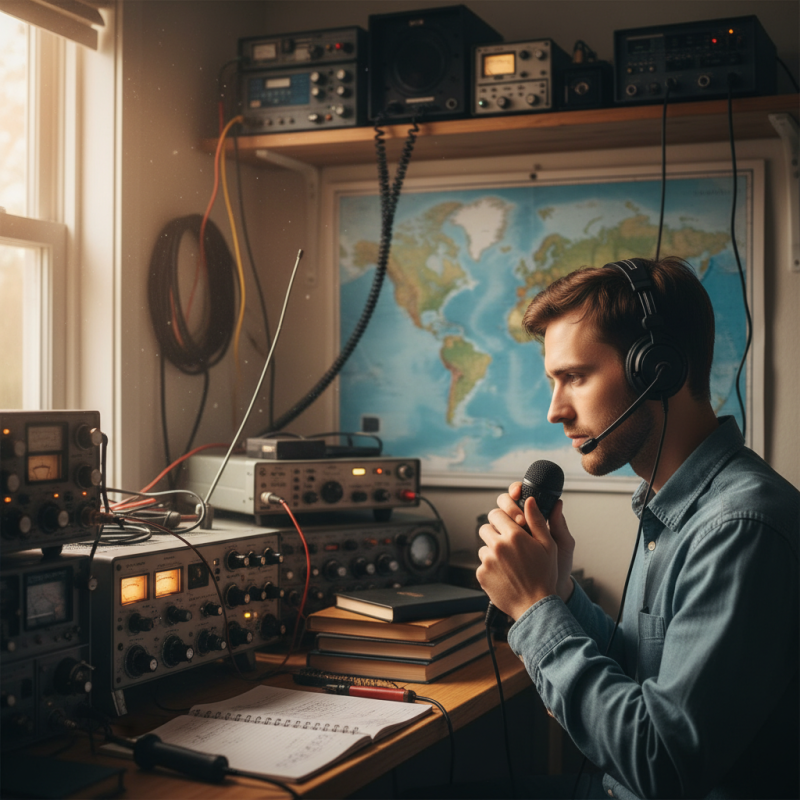
Getting started with ham radios can be exciting yet overwhelming. As a beginner, you might feel lost with various equipment and technical jargon. This introduction aims to guide you through essential tips that will make your journey smoother.
Ham radios open a world of communication. They allow you to connect with people worldwide, share experiences, and learn new skills. However, choosing the right equipment can be challenging. It’s easy to get confused by the vast options available in the market.
Understanding the basics is crucial. Start small and build your knowledge gradually. Striking a balance between practicality and exploration will enhance your learning experience. Remember, every expert was once a beginner. Make mistakes, learn from them, and enjoy the process of mastering ham radios.
Getting Familiar with Basic Ham Radio Terminology
Understanding basic ham radio terminology is crucial for beginners. Terms like "frequency" and "modulation" will pop up frequently. Frequency refers to the specific radio wave channel you're using. Modulation is how your voice or data is transmitted over that frequency. When you hear someone say "2 meters," they mean a frequency range typically used for local communication.
Another key term is "QSO," which simply means a conversation. You will often hear operators saying they are "having a QSO." Learning expressions like "73" for best wishes can also enhance your experience. However, don’t feel overwhelmed. It’s normal to mix up terms in the beginning. Mistakes can lead to important lessons. Be patient with yourself as you navigate this learning curve.
Lastly, remember to have fun. Engage with fellow hams and ask questions. Everyone has been where you are now. Some might even chuckle at their early misunderstandings. This community thrives on support and shared experiences. Embrace the journey and enjoy every moment on air.
10 Essential Ham Radio Tips for Beginners to Get Started Today
| Tip Number |
Tip Title |
Description |
| 1 |
Learn the Basics |
Familiarize yourself with basic concepts such as frequencies, waveforms, and modulation types. |
| 2 |
Get Licensed |
Obtain the necessary licenses and understand the regulations of your region. |
| 3 |
Invest in Quality Equipment |
Choose a reliable transceiver and accessories for optimal performance. |
| 4 |
Join a Local Club |
Participate in forums or local clubs to gain knowledge and experience. |
| 5 |
Practice Emergency Communication |
Learn how to use your radio for emergency situations and practice relevant protocols. |
| 6 |
Understand Propagation |
Study radio wave propagation to know when and where to operate effectively. |
| 7 |
Follow Operating Procedures |
Familiarize yourself with CQing, QSLing, and proper etiquette during communication. |
| 8 |
Explore Digital Modes |
Experiment with digital modes like PSK31 and FT8 for added communication options. |
| 9 |
Use Your Voice Effectively |
Practice clear and concise communication to ensure effective exchange of information. |
| 10 |
Keep Learning |
Stay updated on the latest practices and technology to enhance your ham radio skills. |
Choosing the Right Equipment for Your First Ham Radio Setup
When starting with ham radio, choosing the right equipment is crucial. A basic setup often includes a transceiver, an antenna, a power supply, and necessary accessories. Research from the American Radio Relay League (ARRL) suggests that newcomers should consider their primary use. Will you explore local communications or long-distance connections? This choice can guide your equipment selection.
A good starter transceiver may cost around $500. However, beginners should not overspend. Budget models still provide ample features. You may find yourself frustrated by complex settings. Start simple. Understand basic functions first before diving deeper. Antennas can also be challenging. Some simple dipole antennas can perform well without breaking the bank.
Additionally, safety is an often-overlooked aspect. Ensure that your equipment meets local regulations. A poorly set up station can damage your gear and endanger yourself. Regular checks of your setup are vital. Listen to experienced operators. They can offer insights and advice that you won't find in manuals. Embrace the learning curve. Mistakes are part of the process.
Understanding Licenses and Regulations for Amateur Radio
Understanding licenses and regulations is crucial for anyone entering the amateur radio world. Before transmitting, beginners must secure the appropriate licenses. In many regions, passing a basic exam is required. This exam usually covers technical knowledge and operational procedures. Taking a prep course can make a significant difference. But do not rush through the material. Understanding the concepts enhances your enjoyment and success.
Regulations govern how you operate, including frequency bands and power limits. For example, some bands are exclusive to licensed operators. Violating these rules can lead to fines or losing your license. It's vital to familiarize yourself with local laws and guidelines. Another aspect is understanding proper etiquette. Using correct call signs and acknowledging others are essential for community building.
Remember, amateur radio is about communication and connection. Initial challenges may seem daunting. You might struggle with complex regulations or the technical jargon. Don't get discouraged. Persistence and practice lead to improvement. Engaging with fellow amateurs can provide valuable insights.
10 Essential Ham Radio Tips for Beginners
Learning Essential Operating Procedures and Etiquette
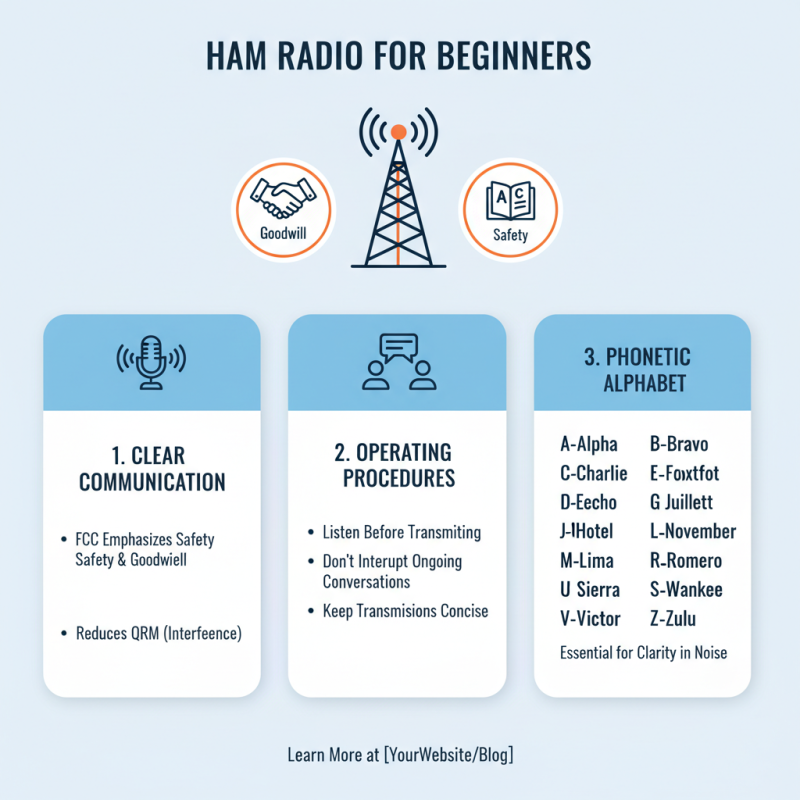
Understanding operating procedures and etiquette in ham radio is crucial for beginners. Clear communication is key. The FCC reports that proper operating techniques promote both safety and goodwill among operators. Newcomers should prioritize learning the phonetic alphabet. This ensures clarity in voice transmissions, especially in noisy environments.
Following established protocols can make a big difference. Using appropriate call signs and adhering to scheduled nets fosters respect. A 2021 survey by the Amateur Radio Relay League indicated that about 75% of operators believe good etiquette enhances the hobby. However, many novices overlook basic rules, leading to unnecessary misunderstandings. Regularly practicing radio discipline could save time and confusion.
Even experienced operators admit to slip-ups. Mistakes happen, like interrupting others or failing to identify properly. Reflecting on these moments is vital for growth. Joining local clubs can provide valuable feedback. Engaging with seasoned operators can clarify unspoken norms and improve skills. The journey in ham radio is about learning and connecting, both instrumentally and personally.
Exploring Your First Contacts: Tips for Effective Communication
When starting with ham radio, effective communication is key. Beginners often face challenges in making their first contacts. Understanding basic protocols can ease this process. Simple phrases can break the ice. For instance, saying “Hello” or “CQ” introduces you to other operators. Many first-timers hesitate. They fear mistakes. Yet, every operator was once a beginner.
According to a recent survey by the American Radio Relay League (ARRL), about 60% of new ham operators feel intimidated during their first few calls. This reflects a common hurdle. Practicing with a trusted friend can build confidence. Choose a quiet space to minimize distractions. Clear communication is crucial. Remember to listen before speaking. It shows respect and ensures better exchanges.
Also, be aware of technical jargon. Terms like “QRP” (low power) or “QSO” (conversation) may confuse you. Learning them is essential but may take time. Expect to make errors. You might mispronounce or misunderstand signals. This is part of the learning curve. Reflect on these moments to improve. Engaging with online communities can also provide support. They offer insights and tips for improving communication skills.