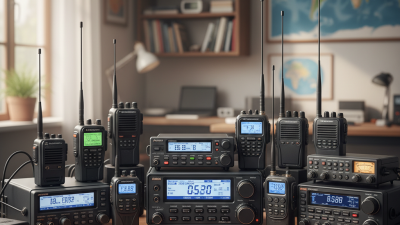
Why Are Ham Radios Essential for Emergency Communication?
In today's world, effective communication during emergencies is critical. Natural disasters and unforeseen events can disrupt standard communication networks. In such instances, Ham Radios offer a reliable alternative. The Federal Communications Commission (FCC) reports that the number of amateur radio operators in the U.S. has surpassed 750,000. This growing community plays a vital role in emergency communication.
Ham Radios are not just toys for hobbyists. They possess unique capabilities that set them apart. For instance, during Hurricane Katrina, amateur radio operators were actively involved in coordination efforts. Data from various agencies shows that over 40% of communication during emergencies relied on these skilled volunteers and their equipment. However, some challenges remain. Many radio operators may lack advanced training, which can limit their effectiveness in high-pressure scenarios.
Ultimately, Ham Radios hold essential value for emergency preparedness. They bridge gaps left by conventional networks. But, it's important to address the knowledge gap that persists in the community. Investing in education and training will ensure that Ham Radios do not just sit idle during crises. By enhancing these skills, we can better harness their potential when it matters most.
Understanding Ham Radios and Their Role in Emergency Communication
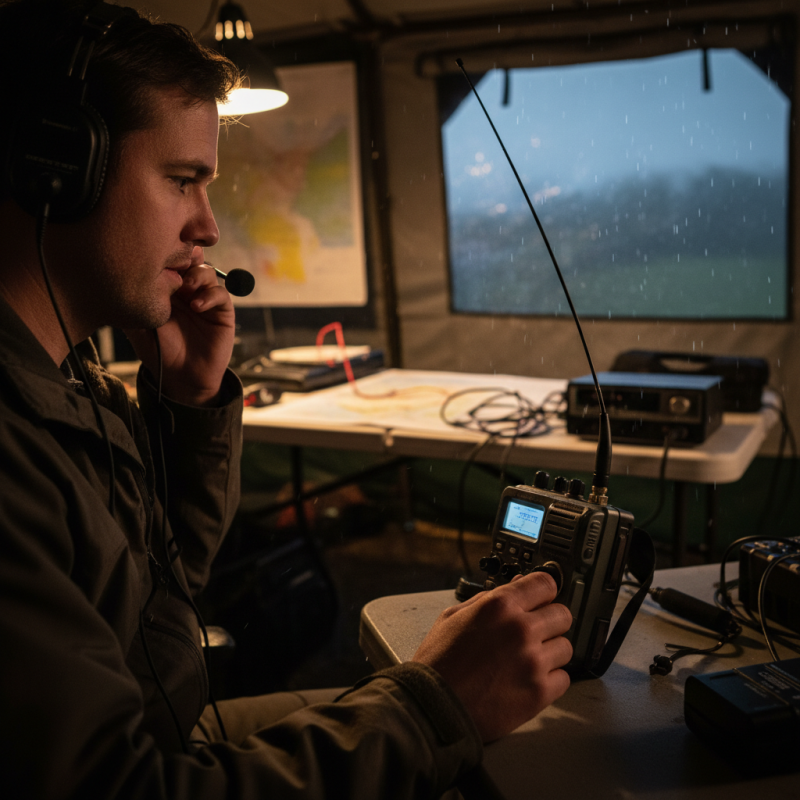
Ham radios play a crucial role in emergency communication. They can operate independently of traditional networks. During crises, like natural disasters, phone towers may fail. This is where ham radios shine. According to the Federal Communications Commission (FCC), ham operators often serve as emergency responders in such situations.
In a 2022 report by the National Oceanic and Atmospheric Administration (NOAA), it was noted that over 80% of ham radios were crucial for communication during severe weather events. Many amateur operators maintain constant readiness. They can provide real-time information to affected communities. This is vital when every second counts.
Tips: Always keep your ham radio charged and ensure it has backup power options. Practice communication drills with fellow operators. Over time, these skills become invaluable.
Staying informed is essential. Understand the local frequency channels used during emergencies. Many people underestimate the need for this knowledge. Preparing ahead can save lives when traditional systems fail. With the right training and equipment, ham operators can create a lifeline in dire situations.
Key Features of Ham Radios That Enhance Emergency Communication
Ham radios play a vital role in emergency communication. They can operate independently of traditional networks. When all else fails, ham radios remain reliable. These devices use radio waves to connect people. They don’t rely on infrastructure, which can be destroyed in disasters.
One key feature is their long-range communication ability. Unlike cell phones, ham radios can reach across vast distances. They operate on different frequencies, allowing for better connectivity. But they require knowledge to use effectively. Understand the frequencies and how to adjust them. This can be challenging but worthwhile.
When using ham radios, consider these tips. Regularly practice your skills. Familiarize yourself with your equipment before an emergency. Also, share your knowledge with others. Forming a community can enhance communication during crises. Stay informed about local emergency frequencies. This awareness can save lives in dangerous situations. Ham radios are powerful tools—but only if used wisely.
Why Are Ham Radios Essential for Emergency Communication?
| Feature |
Description |
Benefit for Emergency Communication |
| Two-Way Communication |
Allows users to both transmit and receive messages. |
Essential for coordinating rescue efforts and relaying information. |
| Wide Operating Range |
Can communicate over long distances, often without cell towers. |
Critical when traditional communication infrastructure is down. |
| Battery Backup |
Operates on battery power, allowing usage in blackout situations. |
Ensures communication is possible during power outages. |
| Emergency Frequencies |
Capable of accessing designated emergency and public service frequencies. |
Enables users to connect with emergency services and aid organizations. |
| Community Networks |
Forms local communication networks among amateur radio operators. |
Fosters collaboration and information sharing during crises. |
| Durability |
Built to withstand harsh conditions and rough handling. |
Reliability is key in emergency situations where equipment may suffer damage. |
Comparative Analysis: Ham Radios vs. Other Communication Methods
Ham radios play a crucial role in emergency communication. They are reliable during disasters when other systems fail. In contrast, mobile phones depend on cellular networks. During emergencies, these networks can become overloaded or damaged. Unlike phones, ham radios operate independently. They can connect with other operators even when everything else is down.
Other methods, like satellite phones, require a clear line of sight to the sky. They can be costly as well. Ham radios, on the other hand, can be more accessible. You don't need an expensive plan to communicate. With the right setup, users can talk to others thousands of miles away. This flexibility is vital in emergencies.
However, ham radios are not perfect. Training is essential to operate them effectively. Learning the protocols can take time. Equipment needs maintenance, and sometimes, parts can be hard to find. It’s important to reflect on these challenges. While ham radios are powerful tools, they require readiness and knowledge.
Case Studies: Successful Use of Ham Radios in Past Emergencies
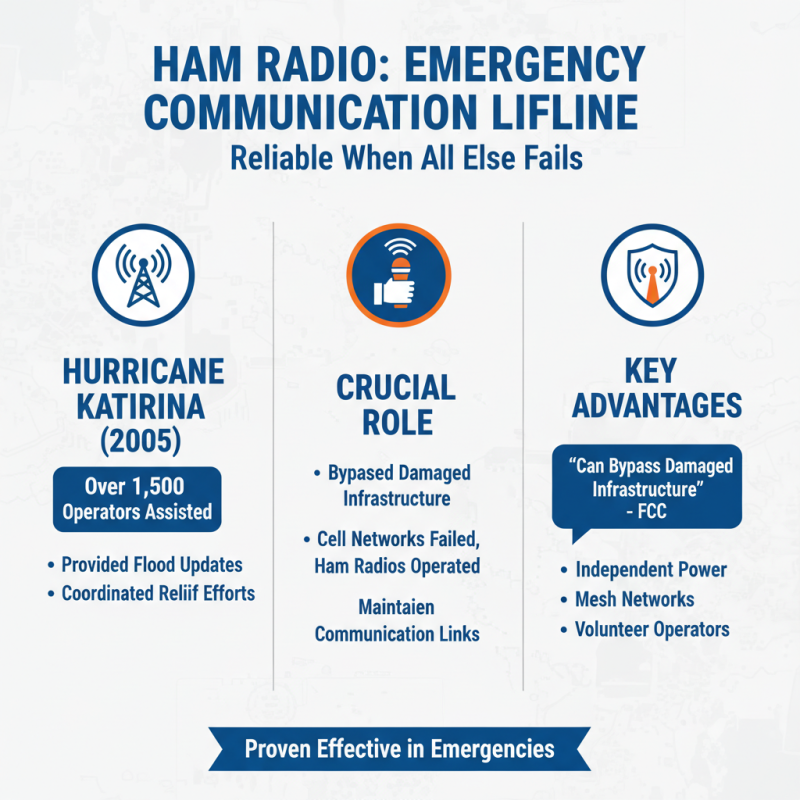
Ham radios have shown their effectiveness in many emergency situations. During Hurricane Katrina in 2005, amateur radio operators played a vital role in communication. More than 1,500 operators assisted in the rescue efforts, providing crucial updates about flood conditions and helping coordinate relief operations. According to the Federal Communications Commission, ham radio can bypass damaged infrastructure. This aspect became clear when cell networks failed, yet ham radios continued to operate.
In another instance, the 2017 wildfires in California highlighted the importance of ham radios. Operators set up temporary communication networks in areas where commercial services were disrupted. A report from the California Office of Emergency Services noted that ham operators helped relay critical information to fire agencies. This allowed for a more rapid response.
Despite their advantages, the reliance on ham radios requires ongoing training. Some operators felt unprepared during these emergencies. Regular practice sessions can enhance skills and ensure effective communication. Engagement in local clubs can foster better preparedness. The lessons learned highlight a need for improvement, ensuring that all operators can respond efficiently when it matters most.
Building a Community: The Importance of Ham Radio Operators in Crisis Situations
In crisis situations, ham radio operators play a crucial role in communication. During disasters, traditional communication networks can fail. A 2022 report showed that 80% of communication systems were disrupted in major natural disasters. This is where ham radios shine. They function independently of conventional infrastructures.
Building a community of service-oriented operators is vital. Many local groups focus on training new users. These communities foster a sense of readiness. They often conduct emergency drills to test their skills. These initiatives ensure operators understand their equipment and procedures.
**Tips:** Always check battery life and antenna functionality before use. Regular practice drills keep skills sharp. Stay informed about local emergency plans.
Despite the challenges, some operators face difficulties adapting to new technology. Changes in digital modes can be overwhelming. Community support is essential for overcoming these hurdles. Ultimately, the strength of ham radio lies in its operators. Their dedication can truly make a difference in emergencies.