10 Essential Tips for Getting Started with Ham Radios
Ham radios offer a unique way to connect with others. They serve as a bridge for communication across distances. Getting started can be exciting and a bit overwhelming. With so many options, where do you begin?
When exploring ham radios, it’s important to understand the basics. Choosing the right equipment matters tremendously. You may feel pressured to buy the latest model. However, starting with simple gear can help you learn effectively. Many newcomers struggle with finding the right frequency. Experimenting is part of the learning process.
Building your skills isn’t always straightforward. Mistakes will happen, and that's okay. Each error can teach valuable lessons. As you progress, take time to reflect on what works. Engaging with the community can also enhance your experience. Trust that persistence will lead to improvement in using ham radios.
Understanding the Basics of Ham Radios: An Overview
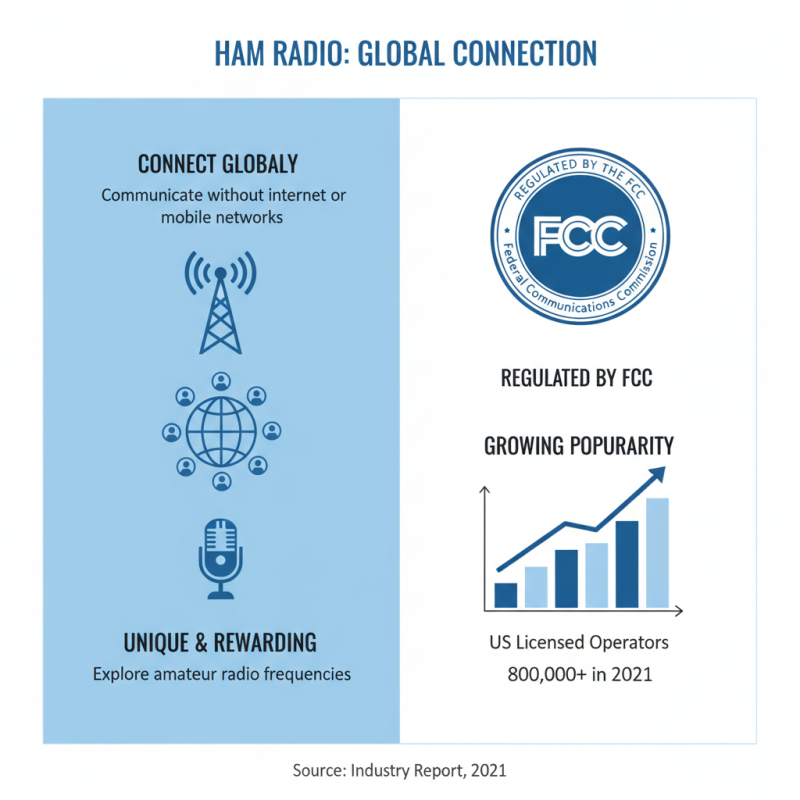
Ham radios offer a unique and rewarding way to connect with people around the world. These devices operate on specific amateur radio frequencies, allowing users to communicate without the internet or mobile networks. The Federal Communications Commission (FCC) oversees the amateur radio service, which has seen significant growth. In fact, a recent industry report revealed that the number of licensed operators in the United States exceeded 800,000 in 2021.
Understanding the basics is crucial for newcomers. Ham radios use a variety of modulation techniques, including FM and SSB, to transmit voice and data. It’s vital to grasp terms like “frequency” and “bandwidth” before diving in. Many find it challenging to learn all the technical jargon. It can feel overwhelming. In addition, operating a ham radio often requires passing an examination to obtain a license, which can be a barrier for some. Despite these hurdles, the sense of community and fellowship in the ham radio world is incredibly rewarding, often outweighing the initial learning curve.
Selecting the Right Equipment for Your First Ham Radio Setup
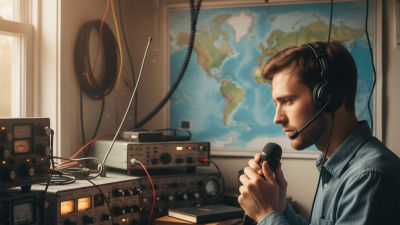
When diving into the world of ham radios, selecting the right equipment is crucial. Start with your antenna; it’s your connection to the world. A simple dipole antenna can often perform well for beginners. It’s affordable and easy to install. You may need some trial and error here to find the best location for reception.
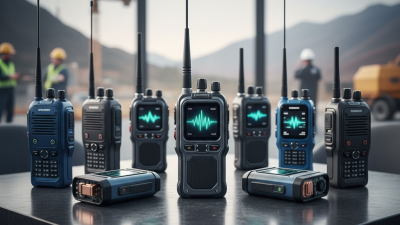
Next, consider your transceiver—a unit that transmits and receives signals. Look for one that covers multiple bands. This flexibility allows experimentation. Beginners sometimes go for all-in-one units, but remember, simpler models can help ease the learning curve. Pay attention to the specifications and modes you want to explore. Not all radios suit all interests.
Lastly, don’t neglect accessories like power supplies and connectors. They play a vital role in ensuring seamless operation. Finding the right connectors can be a puzzle at first. But researching and understanding your specific needs can greatly enhance your experience. This journey may not be perfect, but it’s a chance to learn about communication in a unique way.
Learning the Essential Licensing Requirements for Ham Radio Operators
Getting started with ham radios involves understanding important licensing requirements. In the United States, the Federal Communications Commission (FCC) oversees ham radio operations. To legally operate, aspiring ham radio operators must obtain a license. The most common entry-level license is the Technician License. In 2020, approximately 20% of all amateur radio operators held this license, illustrating its accessibility.
The licensing process includes passing a written exam. This exam tests knowledge on radio theory, operating procedures, and regulations. According to the American Radio Relay League (ARRL), around 80% of candidates pass this exam on their first attempt. However, many struggle with technical questions. Understanding these concepts is crucial for success. Examples of topics include electromagnetic waves and frequency bands.
The study materials can be overwhelming. Many beginners may feel lost. Joining a local ham radio club can provide support. These clubs often offer study sessions and mentorship. This communal approach fosters learning and confidence. As you dive into the world of ham radios, embrace the challenges ahead. Each obstacle is an opportunity to grow and become a competent operator.
Exploring Popular Frequencies and Communication Protocols in Ham Radio
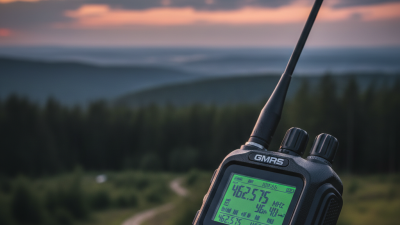
Ham radio is an exciting way to connect with others. Knowing popular frequencies is essential for beginners. Common bands include 2 meters and 70 cm. These frequencies are ideal for local communication. Many hams start here due to ease of access. Discussions often revolve around hobbies, news, and emergency preparedness. Being aware of these topics helps you engage better.
Understanding communication protocols is equally important. Protocols dictate how we communicate on the air. They include basic etiquette, like waiting for your turn to speak. Often, beginners struggle with this. It can be overwhelming at first. You may not always know the right time to jump in. Respecting others is critical in maintaining a positive environment. Listening before speaking can boost your confidence.
Explore local nets and clubs to practice. This hands-on experience can be invaluable. Facing challenges is part of learning. You may encounter signal issues or misunderstandings. These moments can feel frustrating, but they also teach resilience. Reflecting on these experiences will enhance your skills. Connect with fellow hams and share your journey.
Building a Community: Joining Local Ham Radio Clubs and Online Forums
Joining local ham radio clubs and online forums opens up a wealth of opportunities. These communities provide not only support but also a platform for sharing knowledge. According to the American Radio Relay League, about 30% of new operators feel isolated after getting their licenses. Engaging with fellow enthusiasts can help alleviate this feeling.
Local clubs often organize meetups and events, fostering real connections. Members share equipment, offer training, and organize contests. Statistics show that club members tend to remain active in the hobby longer. Regular interaction helps build skills and confidence. Online forums are another excellent resource. They cover diverse topics, from equipment setup to emergency communications. However, sifting through information can be overwhelming. Some discussions may lack clarity or include misinformation. It’s essential to verify facts and seek advice from credible sources.
Having a mentor can enhance the learning experience. Many clubs assign seasoned operators to guide newcomers. This practice builds a sense of community that often extends beyond the radio. Yet, finding the right mentor may take time. Building rapport requires patience and effort. Not all interactions may be positive, but perseverance is key. Embracing the challenges leads to growth in the hobby and enhances your overall experience.
Ham Radio Community Engagement
This chart represents community engagement levels across various platforms for Ham Radio enthusiasts. Local clubs and online forums show strong engagement, highlighting the importance of both in building a supportive community.