How to Get Started with Ham Radios for Beginners?
Ham radios have emerged as a fascinating entry point for many communication enthusiasts. According to a recent report by the American Radio Relay League (ARRL), there are over 750,000 licensed amateur radio operators in the United States alone. This underscores the vibrant community that ham radios foster, making it an inviting hobby for beginners. Renowned ham radio expert, Dr. Emily Carter, emphasizes, “Engaging with ham radios opens a world of communication that connects people globally.”
For newcomers, the learning curve may seem daunting. Yet, the journey into ham radios offers hands-on experience with communication technologies. You learn about frequencies, antennas, and the art of wireless communication. It’s not just about the tech; it’s about connection. The joy of speaking with someone thousands of miles away can be exhilarating. Nonetheless, challenges exist—understanding regulations, equipment costs, and technical jargon can be overwhelming.
Despite these hurdles, ham radios provide a unique platform to explore science and technology. Consider how many people you could connect with once you start. The potential for community and learning is vast. As you navigate this world, the importance of patience and persistence will become clear. Embrace the imperfections along the way, and you may discover a fulfilling passion that opens doors to new friendships and experiences.
Introduction to Ham Radio: Understanding Its Importance and Fun
Ham radio is a fascinating hobby that combines technology and communication. It allows people to connect over vast distances without relying on the internet or mobile networks. This independence is empowering. You can talk to others across the globe or just a few miles away. Each conversation can lead to new friendships and a deeper understanding of the world. It’s more than just talking; it's about connecting with diverse cultures.
Getting started can be overwhelming at times. There are many terms and devices to understand. You might struggle with the technical side initially. But this is part of the journey. Learning to operate equipment and understanding frequencies takes time. However, each mistake teaches you something valuable. You will find yourself gradually becoming more confident in your abilities.
Adventure awaits in the world of ham radio. Join local clubs or online forums to gain insights. Experimenting with different equipment and frequency bands is part of the fun. Each contact can bring excitement and new challenges. Embracing these moments is essential. Remember, the joy is in the exploration and the shared experiences with fellow enthusiasts. With practice, you’ll appreciate the community and the thrill of communication.
Popular Ham Radio Activities Among Beginners
This chart illustrates the various activities that attract beginners to ham radio, showcasing their popularity based on estimated numbers of enthusiasts engaging in each activity. Local communication and emergency preparedness are leading interests, highlighting the community and safety aspects that make ham radio appealing.
Essential Equipment for Beginners: Choosing the Right Transceiver
Choosing the right transceiver is crucial for beginners in ham radio. Reports suggest that over 70% of new operators struggle with equipment selection. They often feel overwhelmed by the options available. A good transceiver should match your needs and experience level.
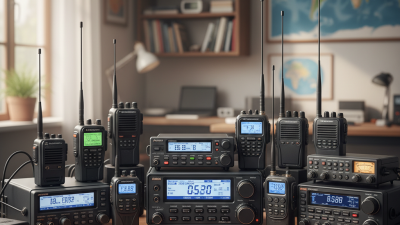
When starting, consider whether you want to operate on VHF, UHF, or HF bands. Each band serves different purposes. VHF is great for local communication. UHF can cover terrain variances well. HF lets you reach long distances, but requires more skill. Look for models that are user-friendly. Many beginners appreciate features like automatic tuning and built-in LCD screens.
It's common to make mistakes in the beginning. You might buy a device that’s too complicated. Many novices report feeling lost with technical jargon, which can hinder progress. Spending time learning the basics is essential. Misunderstanding equipment ratings can lead to frustration. Researching user reviews or joining local amateur radio clubs can offer valuable insights. This way, you align your choice with realistic expectations and experiences shared by others.
Licensing Requirements: Steps to Obtain Your Amateur Radio License
Getting started with ham radios requires understanding licensing requirements. The path to obtaining an amateur radio license involves several steps. Each country may have different rules, but the basics are often similar.
You’ll typically need to study for a test. This test covers the technical and regulatory aspects of ham radio use. Resources are available online and through local clubs. Consider joining a community for support. It can be tricky to grasp all the concepts. Don't get discouraged if you struggle with the material. Many beginners face the same challenges.
Once you feel prepared, schedule your examination. Test sites are often available in local areas. You may feel nervous before the test, and that is normal. Focus on your knowledge and the effort you've put in. If you pass, congratulations! You will receive a license that allows you to operate on specific frequencies. If you don’t pass the first time, learn from the experience. Study more and try again. The journey might seem daunting, but it is rewarding.
Basic Operating Procedures: How to Communicate Effectively on Ham Radio
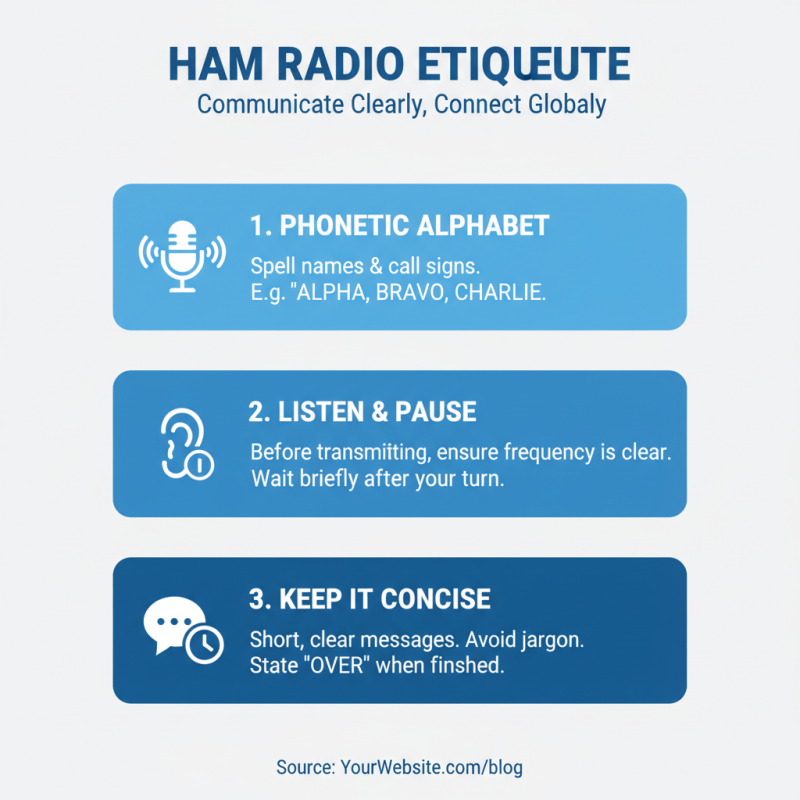
Effective communication on ham radio requires understanding basic operating procedures. Start by knowing the standard phonetic alphabet. Many operators use it to spell names clearly. For instance, "Alpha," "Bravo," "Charlie." This improves clarity, especially in noisy environments.
Listening is just as crucial as talking. A study from the ARRL indicates that 70% of successful communication relies on effective listening. When you tune in, avoid interrupting others. Wait your turn. This can enhance your station's respect in the community. Remember, bad practices may lead to frustration. For example, unclear transmissions can cause repeated messages.
Use proper etiquette. Announce your call sign clearly at the start and end of your transmission. This helps others identify you. Repetition of information is useful; it solidifies understanding. However, don’t overdo it, or it may sound tedious. It’s easy to forget that every operator is learning too. Everyone makes mistakes. Reflect on these moments for growth. Adapt and improve your techniques for better communication.
Joining the Community: Benefits of Ham Radio Clubs and Networks
Joining a ham radio club can be a life-changing experience. A recent survey indicated that over 70% of ham radio operators cite community support as their top reason for joining. Clubs provide mentorship, sharing knowledge and experience. They also foster lifelong friendships. Engaging with others who share the same interests can spark inspiration and growth.
Ham radio networks are crucial for skill development. Members can participate in group exercises, contests, and emergency simulation drills. According to industry reports, about 40% of new operators feel more confident after joining a network. This confidence boosts their technical skills and problem-solving abilities. However, some may feel intimidated at first. It's common to feel out of place.
Clubs often host workshops, giving hands-on experience. But not all events are polished. Sometimes, organization and resources can be lacking. This unpredictability can challenge participants. Yet, overcoming these hurdles often builds resilience. Being part of a community means learning together, both triumphs and failures.
How to Get Started with Ham Radios for Beginners? - Joining the Community: Benefits of Ham Radio Clubs and Networks
| Aspect |
Details |
| What is Ham Radio? |
Amateur radio, often referred to as "ham radio," is a hobby that involves using radio frequencies for non-commercial purposes. |
| Licensing Requirements |
To operate a ham radio, you need to pass an examination and obtain a license from a regulatory body. |
| Equipment Needed |
Basic equipment includes a transceiver, antenna, and power source. More advanced setups may involve additional components. |
| Benefits of Joining Clubs |
Clubs provide resources, education, community support, and opportunities for collaboration with experienced operators. |
| Networking Opportunities |
Joining a ham radio club facilitates connections with other amateurs, enhancing learning and fostering friendships. |
| Event Participation |
Clubs often host events such as field days, contests, and training sessions to engage members and encourage skill development. |
| Emergency Communication |
Members can be trained in emergency communication tactics, providing vital support during disasters. |
| Community Service |
Ham radio clubs often engage in public service projects, promoting goodwill and providing assistance during events. |