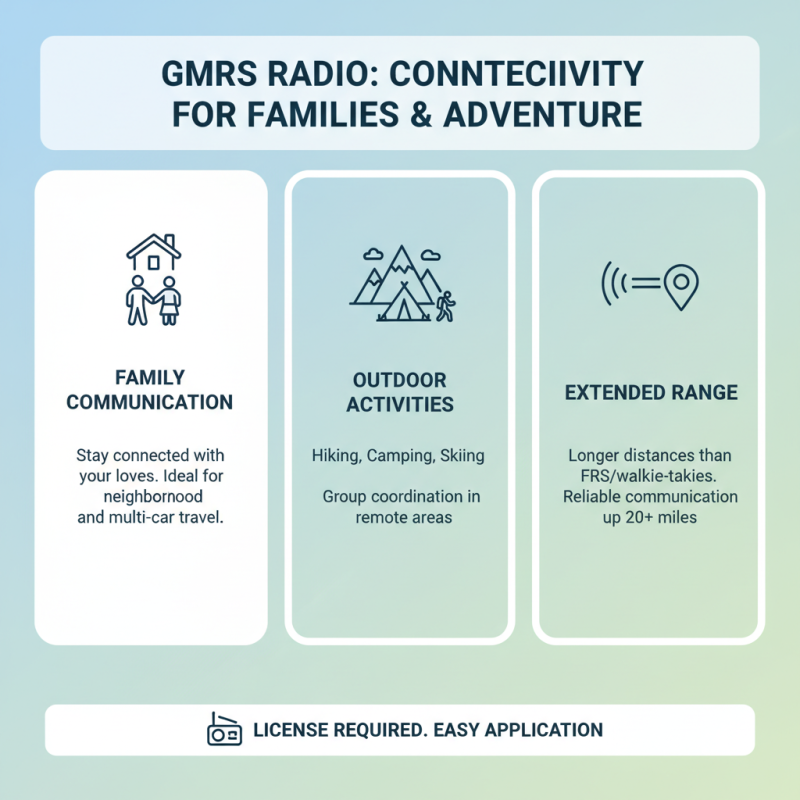
What is GMRS Frequencies and How Do They Work?
GMRS frequencies are a vital part of radio communication in the modern world. They operate within specific ranges, enabling users to communicate over considerable distances. Understanding GMRS frequencies can enhance your communication experience, whether for recreational use or emergency situations.
These frequencies range from 462.550 MHz to 467.725 MHz. They require a license to operate in the United States, adding a layer of responsibility. This can be challenging for beginners. Improper usage can lead to interference with other radio services, raising ethical questions. Users must reflect on their practices to avoid unintentional disruptions.
Exploring GMRS frequencies means embracing both their potential and limitations. Knowledge of these frequencies allows for effective communication. However, it also imposes a duty to use them wisely. Ultimately, the journey into GMRS frequencies opens opportunities for connection but demands careful navigation.
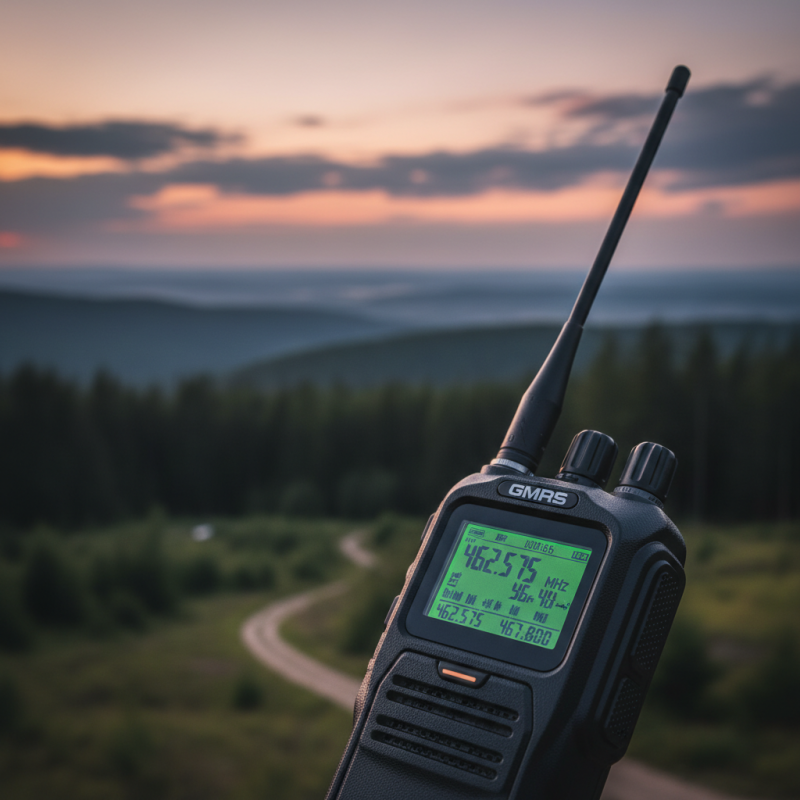
What is GMRS and Its Purpose in Communication
GMRS, or General Mobile Radio Service, is a two-way radio communication system. It operates in the UHF frequency range. GMRS is primarily used for personal and business communication. It allows users to maintain contact over long distances. The flexibility of GMRS makes it great for family outings, camping, or even emergency situations.
The purpose of GMRS is to provide reliable communication. It is often utilized by outdoor enthusiasts who need to stay connected. GMRS can penetrate buildings better than some other radio services. This is essential in urban settings. Not everyone understands GMRS's full potential. Many think it’s just a type of walkie-talkie. However, it offers more power and range than typical consumer radios.
People should also consider the licensing requirement. Unlike some services, GMRS requires a license from the FCC. This can deter casual users. Yet, the benefits often outweigh the requirements. GMRS can serve communities in times of need, but user knowledge is essential. Without proper understanding, effectiveness diminishes. Communication breakdown can occur during crucial moments. Thus, familiarity with GMRS is important for maximizing its utility.
Understanding GMRS Frequencies: Key Characteristics and Ranges
GMRS, or General Mobile Radio Service, operates within specific frequency ranges for personal and business communications. The GMRS frequencies are 462.550 MHz to 467.725 MHz. These frequencies allow users to communicate over considerable distances, often exceeding five miles under optimal conditions. The U.S. Federal Communications Commission (FCC) regulates these channels. Their regulation enhances users’ safety and ensures compliance within designated frequency bands.
Key characteristics of GMRS include its use of repeaters, which can significantly boost signal range. A study indicated that using repeaters can extend communication to over 50 miles in some cases. However, not all users can access these repeaters. The requirement for a GMRS license can also deter potential users. GMRS radios typically feature better power output than consumer FRS radios, allowing for clearer and more reliable communication. It’s vital to understand that GMRS systems can be affected by terrain and atmospheric conditions, leading to unpredictable communication quality.
It's essential to reflect on the trade-offs. While GMRS offers greater range and clarity, achieving this sometimes requires specific equipment and licensing. Many individuals struggle with obtaining a GMRS license due to the process involved. This can limit the growth of GMRS usage within communities, as potential users find these barriers challenging. Adapting to the requirements can ultimately enhance communication capabilities and foster better connections among users.
Licensing Requirements for GMRS Users
GMRS, or General Mobile Radio Service, is a two-way radio service that requires a specific license in the United States. According to a report from the Federal Communications Commission (FCC), GMRS enables communication over longer distances compared to other radio services. This makes it popular for family and group communication in outdoor situations. However, obtaining a GMRS license involves certain requirements that users must comply with.
To get a GMRS license, individuals must apply through the FCC. The process includes filling out the appropriate form and paying a fee. Currently, the license fee is $70, and it is valid for ten years. One key aspect is the need for a background check, which helps ensure that users adhere to regulations. GMRS licenses cover the entire family, making it an economical choice for groups. Yet, many users are unaware of these rules and end up using GMRS frequencies without proper authorization, which can lead to penalties.
Keeping track of frequency allocations is crucial. GMRS users can operate on specific bands, but misuse can disrupt services. Reports indicate that unauthorized use can interfere with other communications, which could have real-world consequences. Additionally, many users may find the licensing process daunting and confusing, resulting in fewer compliant operators than necessary. It's essential for potential users to consider these factors before engaging in GMRS communications.
GMRS Frequencies Usage
The above chart displays the percentage usage of various GMRS frequencies. GMRS users must adhere to licensing requirements and utilize these frequencies within the allowed limits for effective communication.
How GMRS Works: Technical Aspects and Signal Transmission
GMRS, or General Mobile Radio Service, operates on UHF frequencies. These frequencies allow for voice communication over varying distances. GMRS is popular among outdoor enthusiasts and families for its reliable coverage. It uses a range of channels, typically between 462 and 467 MHz. The signals travel differently based on environmental factors, like terrain and weather.
When using GMRS, one must understand how the signal transmission works. GMRS communication typically involves two types of modes: simplex and duplex. Simplex allows one-way communication, while duplex facilitates two-way conversations. This affects how and when users can transmit their messages. Additionally, it's interesting to note how antennas play a key role. A well-positioned antenna can dramatically enhance signal range.
However, users sometimes overlook the need for a license. Proper adherence to GMRS regulations is important. Some may struggle to grasp the complexities of proper channel usage. Effective communication often requires practice and understanding of the equipment. Mistakes can happen, but each experience contributes to better usage.
Practical Applications and Benefits of Using GMRS Frequencies
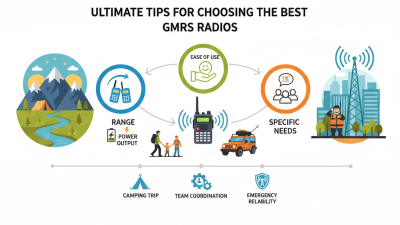
GMRS frequencies offer practical solutions in various scenarios. These channels are designed for personal use, making them ideal for family communications. You can stay connected during outdoor activities like hiking or camping. The longer-range capabilities of GMRS can bridge distances that standard walkie-talkies cannot.
Many people find GMRS beneficial in emergency situations. When natural disasters strike, cell towers may fail. In those moments, GMRS radios can be lifesavers. They allow users to communicate even when traditional options are unavailable. However, not everyone is aware of the licensing requirement. A license is needed to operate GMRS legally, which can be a barrier for some.
While GMRS offers numerous benefits, it also requires careful management. Users must be mindful of frequency sharing. Overlapping communications can lead to frustration and signal interference. Therefore, planning and coordinating talk times can improve overall efficiency. In a situation where quick communication is vital, every second counts, and clarity makes a difference.