What is Ham and Radio All You Need to Know?
Ham and Radio provide a fascinating world of communication. They allow people to connect across vast distances. Many enthusiasts enjoy the thrill of exchanging messages. These radio services are accessible to anyone interested. Learning about Ham and Radio can be both fun and rewarding.
In this expanding community, individuals share experiences and knowledge. Newcomers might feel overwhelmed by the technical jargon. Simple concepts can often seem complex at first. However, persistence leads to understanding. Many join for friendship, while others are drawn to technical challenges.
The journey into Ham and Radio may be imperfect. Mistakes are part of the learning curve. Each interaction teaches something new. This journey leads to unique connections and new skills. Embracing the challenges can be fulfilling. As we explore Ham and Radio, we discover more than just technology; we find a shared passion.
What is Ham Radio? A Comprehensive Overview
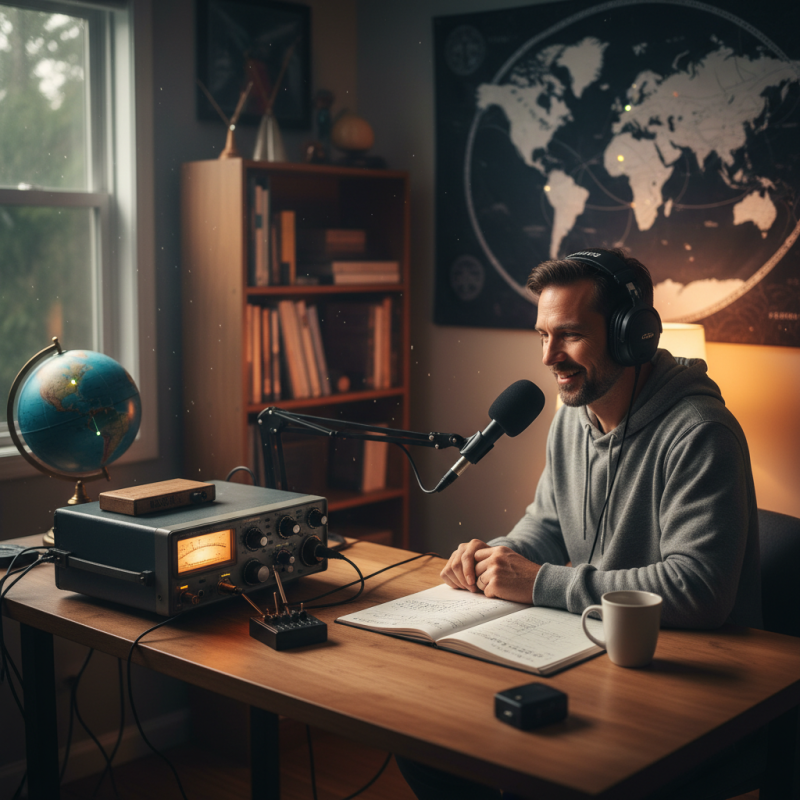
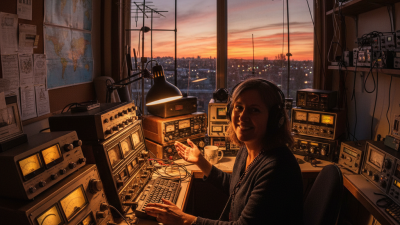
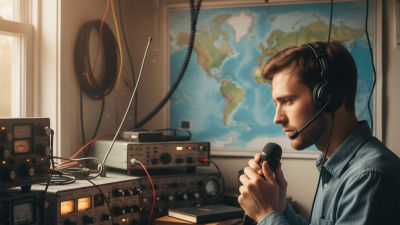
Ham radio, also known as amateur radio, is a fascinating hobby that connects people through radio waves. It allows individuals to communicate across vast distances without relying on the internet or cell towers. Many ham radio operators use simple equipment, creating amazing connections with just a radio and an antenna. They exchange messages, images, and even data, exploring the technical aspects of radio operation.
One appealing aspect of ham radio is its community. Operators gather at local clubs or online forums, sharing knowledge and experiences. They learn about frequencies, modulation, and antenna design. However, navigating this hobby can be challenging. Licensing requirements vary, and the technical jargon can be overwhelming. Newcomers may struggle to understand the equipment and regulations. It’s not always easy, yet the reward of making that first long-distance contact is exhilarating.
Moreover, ham radio is not just for casual conversation. It plays a critical role in emergencies. Operators provide vital communication when traditional networks fail. They must be prepared for unexpected situations, often requiring quick problem-solving skills. This pressure can be daunting but is also a chance for personal growth. As you explore ham radio, embrace the imperfections. Each mistake can lead to deeper understanding and new friendships.
Ham Radio License Statistics
This bar chart represents the number of licensed ham radio operators in the United States by license class. The data shows that the Technician class has the highest number of licensees, followed by the General class and then the Extra class, reflecting the popularity of each class among amateur radio enthusiasts.
History and Evolution of Ham Radio Technology
Ham radio, also known as amateur radio, has a rich history. It started in the early 20th century, with enthusiasts exploring wireless communication. The birth of ham radio can be traced back to 1900 when Guglielmo Marconi transmitted radio waves across the Atlantic. Over the decades, this technology evolved significantly.
By the 1920s, amateur radio gained popularity. The introduction of vacuum tubes improved transmission range. Data from the International Amateur Radio Union suggests that there are over 3 million licensed operators worldwide today. This growth reflects the community's dedication to communication and disaster relief.
Tips: Regular practice with equipment is essential. Familiarity can improve response times during emergencies. Also, joining local clubs can enhance skills and knowledge.
Fast forward to the present, digital modes like FT8 are transforming ham radio. Many operators now use software to connect with others globally. However, this shift raises questions about the authenticity of communication. Are we losing the hands-on aspect of radio?
Understanding this evolution is crucial. It shows the balance between tradition and modern innovation. Being aware of these changes allows operators to reflect on their practices and adapt accordingly.
Licensing Requirements for Amateur Radio Operators
Amateur radio offers a unique blend of technology and community. However, getting started requires navigating specific licensing requirements. In the United States, the Federal Communications Commission (FCC) manages amateur radio licensing. According to the FCC, there are three main license classes: Technician, General, and Extra. Each class has its own set of privileges and examination requirements.
The Technician class is an entry point for most operators. It involves passing a 35-question multiple-choice exam. The General class ups the ante with additional testing and provides access to more frequency bands. Interestingly, only about 21% of licensed operators hold the Extra class license, reflecting a significant drop-off as complexity increases.
Many prospective operators find the testing process daunting. The pass rate for Technician exams is approximately 75%. Yet, some struggle with the technical jargon. Reports indicate that targeted study groups can improve comprehension significantly. Joining local ham clubs can alleviate anxiety and build confidence. Ultimately, acquiring a license is just the beginning of a rewarding journey in amateur radio.
What is Ham and Radio All You Need to Know? - Licensing Requirements for Amateur Radio Operators
| License Class |
Privileges |
Exam Requirements |
Renewal Period |
| Technician |
VHF/UHF privileges, limited access to HF bands |
No formal prerequisites; pass one exam |
10 years |
| General |
Wider HF privileges, some advanced modes |
Technician license required; pass General exam |
10 years |
| Extra |
All amateur privileges |
General license required; pass Extra exam |
10 years |
Essential Equipment and Tools for Ham Radio Enthusiasts
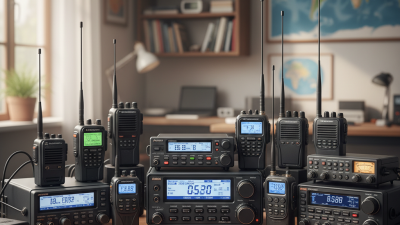
Ham radio, also known as amateur radio, requires essential equipment for enthusiasts. Key items include a transceiver, antenna, and power supply. A basic HF transceiver will enable you to communicate globally. Recent studies show that nearly 30% of ham operators prefer models that support multiple bands and modes.
Antennas come in various types, such as dipole and vertical. Choosing the right antenna impacts signal quality. It's vital to consider your location and available space. According to industry reports, nearly 60% of radio amateurs struggle with antenna installation due to limited outdoor space.
Tips: Experiment with different antenna designs for better reception. Always ensure your setup is safe and compliant with regulations.
Power supplies are also crucial. A reliable power source can improve performance during long sessions. Many ham operators face challenges with noise and interference. Using quality coaxial cables can help mitigate these issues. Identifying and addressing local noise sources will enhance your overall experience.
Tips: Regularly check your equipment for wear and tear. Document your observations to improve future setups.
Popular Applications and Uses of Ham Radio Today
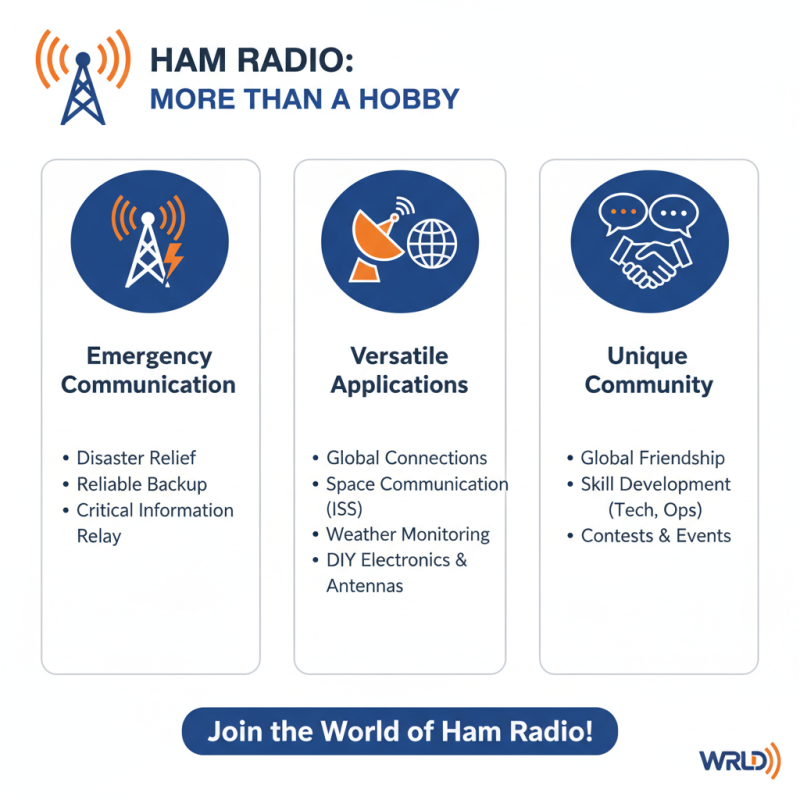
Ham radio serves a variety of popular applications today, making it a unique hobby for many. Emergency communication is one of the most vital uses. When disasters strike, traditional channels often fail. Ham operators bridge the gap, offering critical information. They set up makeshift stations in challenging environments, using craft and creativity to connect with others.
Another fascinating aspect is the social interaction it fosters. People from different backgrounds connect over shared interests. Whether it's casual chat or sharing technical expertise, camaraderie is rich. Some operators participate in contests or events. They test their skills, frequently pushing their limits and learning new techniques. This growing community often invites newcomers, encouraging them to join in.
However, the hobby isn’t without its challenges. Technical knowledge can be daunting for beginners. Also, interference and regulations can frustrate operators. Some may feel overwhelmed or disconnected at times. Yet, these obstacles urge many to reflect and improve their skills. The journey of learning continues, making ham radio an intriguing pursuit.