Why Are GMRS Frequencies Important for Short Range Communication?
In today's fast-paced world, effective communication is vital. GMRS frequencies play a crucial role in short-range communication, connecting people seamlessly. Expert Tom Jensen, a well-known authority in communication technologies, once stated, “GMRS frequencies are essential for reliable and clear communication over short distances.” His insight highlights the growing importance of GMRS in various contexts.
Utilizing GMRS frequencies can greatly enhance communication in diverse environments. For instance, outdoor activities like hiking and camping benefit immensely from these channels. They ensure that groups can stay in touch, which can be critical for safety. Additionally, GMRS is often used in community events, aiding coordinators to keep all participants informed.
Despite their usefulness, some may overlook the significance of GMRS frequencies. Awareness is key; many still rely on outdated methods that prove inadequate. As technology evolves, so too should our methods of communication. Embracing GMRS frequencies could lead to more effective interactions, but education on their use is still lacking. This gap presents an opportunity for improvement and innovation.

Understanding GMRS: Definition and Frequency Range
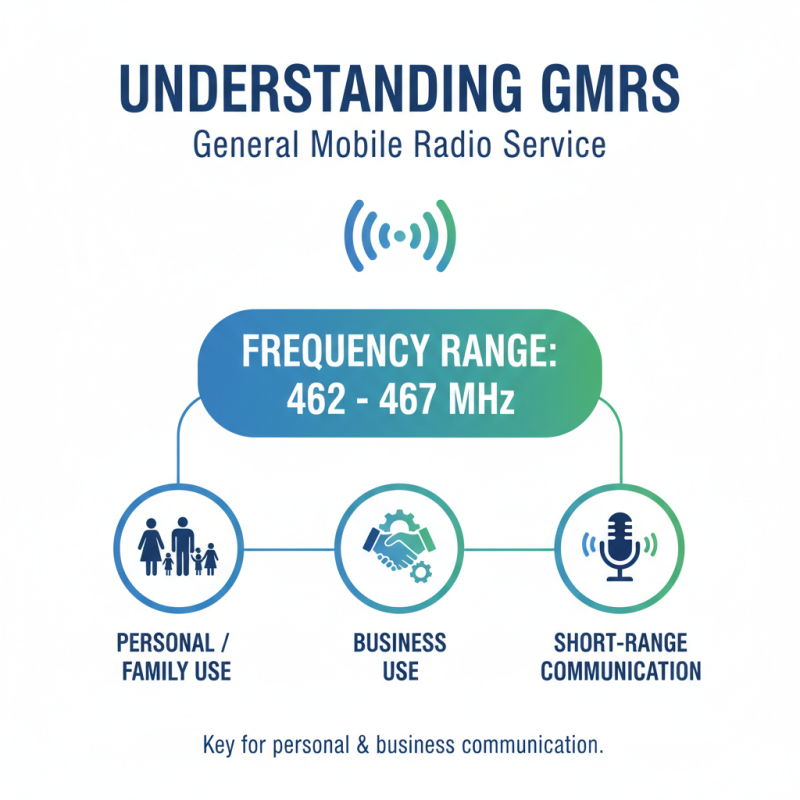
GMRS, or General Mobile Radio Service, plays a vital role in short-range communication. This service operates within specific frequency ranges. Typically, GMRS frequencies span from 462 to 467 MHz. These frequencies cater to various communication needs, including personal, family, and business use.
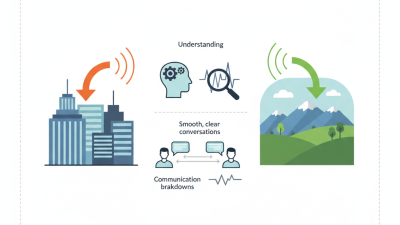
Understanding GMRS is crucial due to its unique features. Unlike other radio services, GMRS licenses can allow higher power outputs. This means stronger signals over short distances. Users can utilize handheld radios or base stations. The range can extend up to 50 miles under ideal conditions. However, obstacles like buildings and trees disrupt signals.
Communication isn't always perfect. It's common to experience interference or dropped signals. Awareness of frequency limitations can help users manage expectations. Understanding GMRS empowers users to maximize their communication experiences. Observing your surroundings and choosing proper equipment can enhance connectivity. However, this requires trial and error. Each communication scenario is different.
Benefits of GMRS for Short Range Communication
GMRS, or General Mobile Radio Service, is essential for short-range communication. These frequencies provide reliable connections for various activities. Families on camping trips can benefit greatly from GMRS radios. The ability to communicate over a few miles can ensure safety and coordination.
Using GMRS frequencies offers several advantages. They allow effective communication without cellular networks. Users can share information quickly, whether for work or leisure. With adjustable power settings, users can extend their range as needed. This flexibility is particularly useful in emergencies. It creates a safety net when other options fail.
Tips: Choose the right channel for your needs. Avoid crowded frequencies during peak times. Remember, not all locations guarantee strong signals. Test your communication devices before heading out. Adjust your settings and practice using your radios. A little preparation can make a big difference. Communication should be swift and clear. Always be mindful of your surroundings.
Why Are GMRS Frequencies Important for Short Range Communication? - Benefits of GMRS for Short Range Communication
| Attribute |
Description |
| Frequency Range |
462.550 to 467.725 MHz |
| Typical Range |
Up to 5 miles in open areas |
| Licensing Requirement |
Yes, GMRS requires a license from the FCC |
| Modulation Type |
FM (Frequency Modulation) |
| Channels |
22 main channels available |
| Privacy Codes |
Yes, selectable CTCSS/DCS tones |
| Common Uses |
Family communication, outdoor activities, emergency services |
| Advantages |
Longer range than FRS, clear audio quality, multiple user capability |
Comparison of GMRS with Other Communication Frequencies
GMRS frequencies play a vital role in short-range communication. They operate in the UHF band and are designed for various uses, including family and community communication. When compared to other frequencies like FRS or CB, GMRS offers greater range and clarity. GMRS allows users to connect over several miles under optimal conditions. However, users must be cautious about channel interference.
In contrast to FRS, which does not require a license, GMRS requires one. This license ensures responsibility among users, promoting better communication practices. GMRS radios typically provide more power. This leads to improved signal strength and distance. On the other hand, CB radios are limited to specific channels and don’t offer the same range. However, CB is often an easier option for casual users. Consider your needs carefully.
Tips: Always check local regulations before using communication devices. Adjust the power settings on your GMRS radio according to your environment. Evaluate the terrain in your area, as hills and buildings can impede signals. Consider investing in a better antenna for enhanced performance.
Legal Regulations Surrounding GMRS Usage
GMRS, or General Mobile Radio Service, operates under specific legal guidelines in the United States. The FCC regulates GMRS frequencies, ensuring users adhere to particular requirements. Only licensed individuals can utilize GMRS, highlighting the importance of formal regulations. The licensing process aims to prevent interference and promote organized communication. According to industry data, more than 1 million licenses have been issued for GMRS use, demonstrating its growing popularity among users.
The necessary license is not just a formality. It guarantees a reliable communication channel for personal or emergency use, crucial in short-range environments. Many users rely on GMRS for family safety. Research shows that GMRS frequencies can reach up to 50 miles under ideal conditions, making them effective for local communication. Yet, without a license, this utility is out of reach. There’s a risk when users operate without proper authorization. It can lead to fines and disrupt crucial communications for others.
Despite these regulations, some users may overlook the need for a license. Many view GMRS as a simple tool for everyday use. However, skirting these rules may result in increased interference on the channels. This reality reflects a broader issue in the radio communications landscape, where awareness of legal boundaries is often lacking. Balancing easy access with responsible usage is essential for the future of GMRS communication.
Practical Applications of GMRS in Daily Life
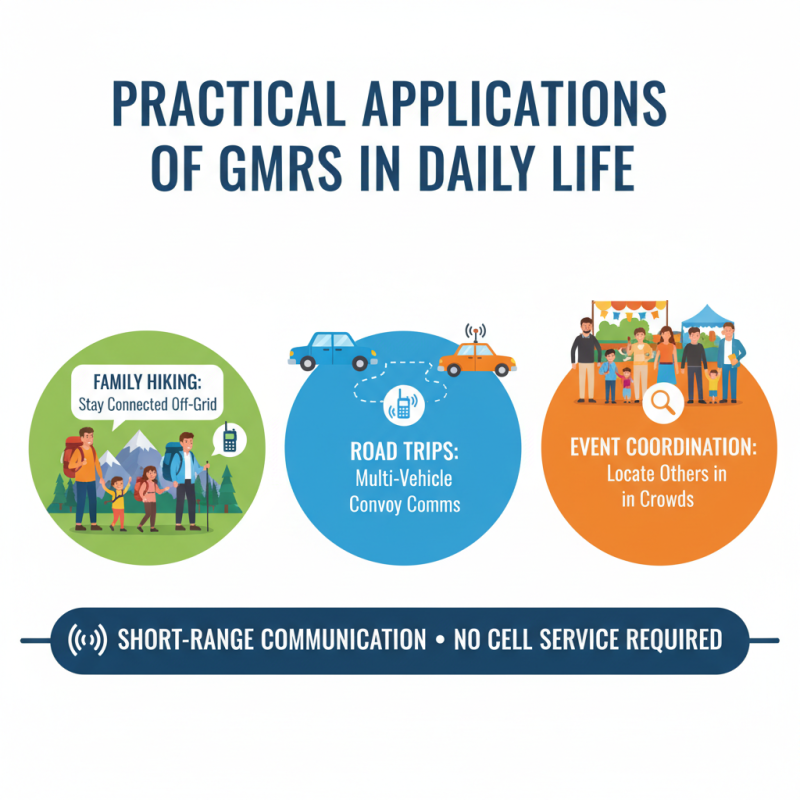
GMRS frequencies play a vital role in enhancing short-range communication. Many people don't realize their potential until they face everyday challenges. Picture a family on a hiking trip. When separated, effective communication becomes essential. GMRS radios can bridge the gap, enabling quick coordination without cell service.
In daily life, GMRS can be useful in many scenarios. For example, during neighborhood events or community gatherings, radios improve coordination among volunteers. They can help relay information quickly, streamlining tasks. However, not everyone is familiar with GMRS rules and potential interference issues. More awareness is needed.
Moreover, GMRS radios can enhance safety in emergencies. Imagine a power outage. People need to connect with neighbors to share updates. This is where GMRS shines. Yet, it's crucial to reflect on instances when technology fails. Dependence on devices can sometimes hinder communication efforts. Finding the right balance is key.