Top Tips for Choosing the Longest Range Walkie Talkie for Your Needs
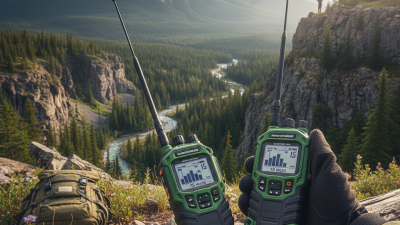
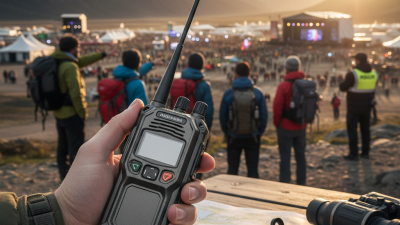
When it comes to communication in remote areas, selecting the longest range walkie talkie is crucial. These devices connect people over vast distances, making them essential for outdoor adventures or professional use. However, not all walkie talkies are created equal. Factors such as terrain, weather, and topography can impact their performance.
Finding the right model can feel overwhelming. You'll encounter many options, each with unique features. A powerful antenna might promise better distance, but real-world usage often tells a different story. Some user reviews show mixed results in performance, raising doubts about advertised ranges.
It's also important to consider battery life. A long-range capability means little if the battery dies quickly. This raises the question: how often will you truly need that maximum range? Reflecting on your specific needs can help streamline your search. Ultimately, the choice of the longest range walkie talkie should balance distance, reliability, and practicality.

Understanding Walkie Talkie Range Specifications
When selecting a walkie talkie, understanding range specifications is crucial. Range can vary widely. High-quality models may offer up to 36 miles in optimal conditions. However, real-world use often shows a much shorter effective range. Factors like terrain, obstacles, and interference significantly affect performance. A study by the Federal Communications Commission indicates that urban areas can reduce range by up to 75%.
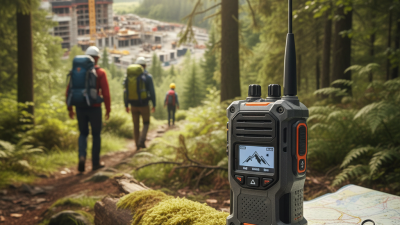
Tip: Consider the environment where you will use the device. Open areas provide maximum range, while dense forests may limit it. If you are in a building, walls and floors can further reduce the distance between devices.
Manufacturer claims are sometimes exaggerated. Always check user reviews for practical insights. Features like power settings and antenna quality can influence range. Some walkie talkies allow you to adjust power output. This helps balance battery life and communication distance effectively.
Tip: Battery life matters. Extended use at longer ranges drains batteries faster. A weak battery can hinder your communication when you need it most. Choose a walkie talkie that matches your usage frequency to ensure reliability.
Factors Impacting Walkie Talkie Range Performance
When choosing a walkie talkie, range is crucial. Several factors influence its performance. One key aspect is the terrain. Mountains, buildings, and forests can block signals. Urban areas can be challenging because of obstacles. For instance, concrete walls might reduce connectivity significantly. Knowing your environment helps select the right model.
Power output also matters. Walkie talkies come with various wattages. Higher wattage generally offers better range. Yet, this can lead to reduced battery life. Think about what is more important: battery longevity or a greater range? Additionally, frequency can affect performance. UHF walkie talkies work better in buildings, while VHF is best for open areas.
Another point to consider is antenna type. A quality antenna can extend range dramatically. However, larger antennas can be cumbersome and less portable. Sometimes, more features might mean complexity. Too many functions might confuse users, especially beginners. Balancing range and usability is vital for effective communication.
Evaluating Different Frequencies for Optimal Range
When choosing a long-range walkie talkie, frequency plays a crucial role. Different frequencies provide varying ranges and can affect clarity. VHF frequencies have longer wavelengths. They usually perform better over open land. However, they struggle in dense areas. UHF frequencies, on the other hand, can penetrate obstacles more effectively. They are ideal for urban environments. It’s vital to assess your surroundings before deciding.
Consider your usage environment. If you’re outdoors, VHF might be your best bet. Conversely, UHF shines in cities. Evaluate how far you need to communicate. The distance can be deceiving; terrain changes everything. Mountains or buildings can obstruct signals. Think about potential interference too. Other electronic devices might also disrupt communication.
Reflect on your specific needs. Do you require extended range? Or will short-distance communication suffice? Testing different models may help clarify your preferences. Listening to feedback from users can provide insights. But remember, everyone’s needs differ. Aim to find a balance that suits your situation.
Top Brands Known for Long Range Walkie Talkies
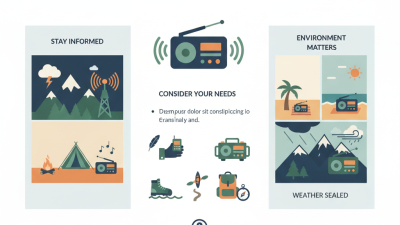
When selecting a long-range walkie talkie, consider brands that focus on durability and performance. Some brands have a reputation for excellent battery life. This ensures you stay connected during extended use. Look for features like weather resistance and emergency alerts; these can be lifesavers in critical situations. Communication clarity also matters, especially in challenging environments.
Check reviews from users who need robust communication tools. They can share essential insights. Some popular brands prioritize user-friendly designs, making operations straightforward. However, not all brands offer equal range, so do thorough research. Occasionally, models may not live up to the advertised specifications. It’s vital to verify claims through hands-on testing or trusted reviews. Performance can vary in different terrains, affecting range significantly. Take note of these aspects as you navigate your options.
Practical Considerations for Using Walkie Talkies in the Field
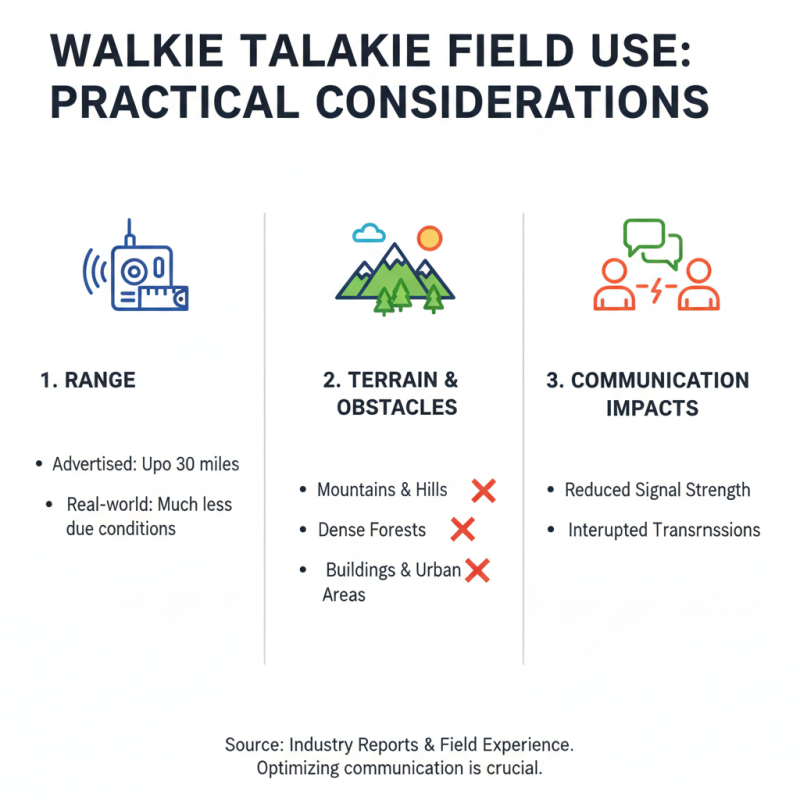
When selecting a walkie talkie for field use, practical considerations are essential. Range is a key factor. According to recent industry reports, the effective range of most walkie talkies varies significantly. Some models claim up to 30 miles, but real-world conditions can reduce that dramatically. Factors like terrain and obstacles can diminish communication capabilities.
Battery life also plays a critical role. An average walkie talkie can last 12 to 18 hours on a charge. However, in high-drain scenarios, like constant usage in rugged environments, this may drop significantly. Users need to plan for recharging or carrying extra batteries.
User experience also varies. Some people find complex features overwhelming. Essential functions should be intuitive, especially in emergencies. A report by the Communication Technology Research Institute indicated that simplicity often leads to improved user satisfaction. In contrast, if you overlook ease of use, you may regret your choice when communication is vital.