Ultimate Tips for Choosing the Best GMRS Radios for Your Communication Needs
In today's fast-paced world, maintaining effective communication during outdoor adventures or emergencies is paramount. The choice of GMRS radios plays a crucial role in ensuring clear and reliable connectivity. According to Mark Jensen, a recognized expert in the GMRS radios industry, "Selecting the right GMRS radios can transform your communication experience and ensure safety in critical situations." His insights underscore the importance of understanding the specific needs and features that GMRS radios offer.
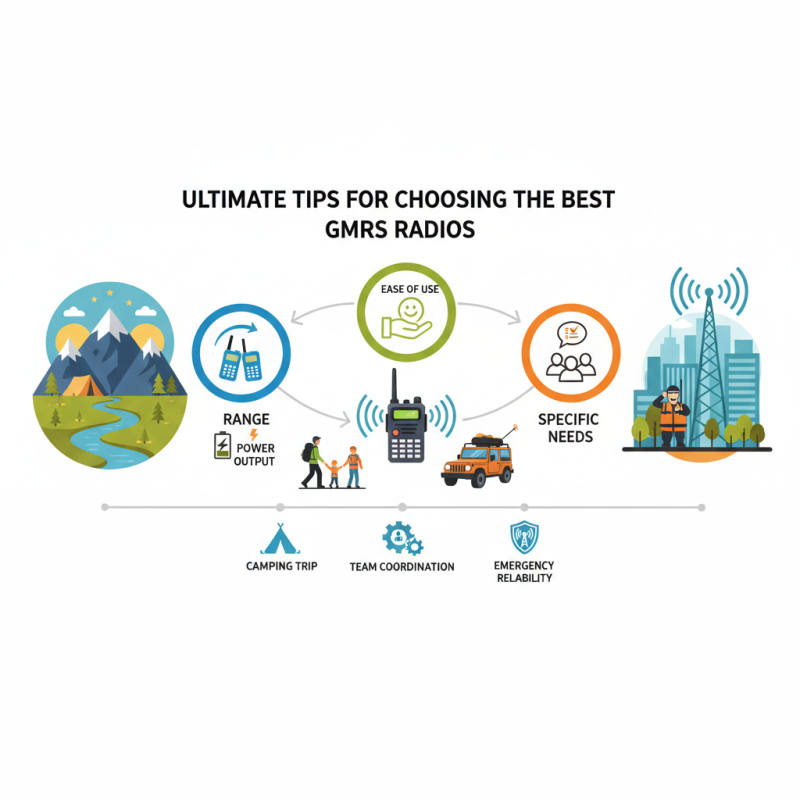
As outdoor enthusiasts, families, and professionals evaluate their options, the abundance of features and specifications can be overwhelming. It's essential to consider factors such as range, power output, and ease of use when choosing GMRS radios. With advancements in technology, the market now offers a diverse range of radios catering to various communication needs, making informed decision-making all the more vital.
In this guide, we will delve into the ultimate tips for selecting the best GMRS radios tailored to your unique communication requirements. Whether you are planning a camping trip, coordinating with a team in the field, or just seeking a reliable communication tool, choosing the right GMRS radios can significantly enhance your experience and ensure you stay connected when it matters most.
Key Features to Consider When Selecting GMRS Radios for Your Needs
When selecting GMRS radios for your communication needs, there are several key features to consider that can significantly affect performance and usability. One of the most critical aspects is the power output, measured in watts. According to industry reports, GMRS radios typically offer power outputs ranging from 0.5 to 50 watts. Higher power output translates to longer communication distances, making it essential to choose a radio that suits your intended range. For instance, a 5-watt GMRS radio can cover approximately 5 miles in urban settings, while a 50-watt radio can reach up to 20 miles or more in open areas, thus enhancing the reliability of your communication.
Another important feature to evaluate is the number of channels available. GMRS radios generally offer 22 channels, but many models come with additional privacy codes that help minimize interference from other users. A study from the Consumer Technology Association indicates that users prefer radios with access to multiple channels and privacy features, as they ensure clearer communication by reducing cross-talk and noise. Additionally, look for radios with durable designs and water resistance ratings, particularly if you'll be using them in rugged outdoor conditions. Overall, being mindful of these features will help you choose the best GMRS radios tailored to your communication requirements.
Understanding GMRS License Requirements and Regulations for Effective Use
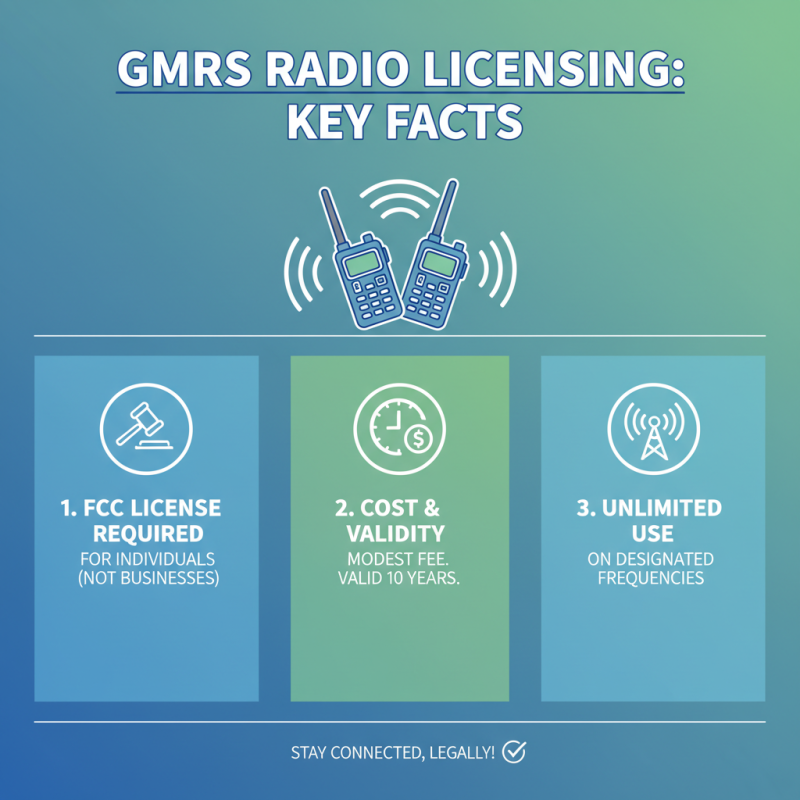
When considering GMRS radios, it's essential to understand the licensing requirements and regulations that govern their use. The General Mobile Radio Service (GMRS) allows for long-range communication via two-way radios, but it's important to note that a GMRS license is required to operate these devices legally in the United States. The Federal Communications Commission (FCC) oversees these licenses, which are issued to individuals rather than businesses. A GMRS license costs a modest fee and is valid for ten years, allowing for unlimited use on the designated frequencies.
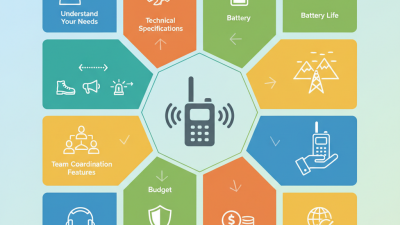
To effectively choose the best GMRS radios for your communication needs, keep in mind a few essential tips. First, assess the range you require based on the intended use of your radios—whether for outdoor adventures, emergency communication, or daily coordination. Next, consider the features that may enhance your experience, such as weather alerts, rechargeable batteries, and built-in privacy codes. Lastly, don’t overlook compatibility with other radios; ensuring that your devices can communicate efficiently, especially in collaborative settings, is crucial for seamless operation.
Understanding and adhering to GMRS regulations not only keeps you compliant but also ensures reliable communication. Be aware of the restrictions on power limits and band usage to avoid interference with other users. Staying informed about the rules can help you make educated choices when selecting the right equipment to suit your needs.
Evaluating Range and Power Output Specifications for Optimal Performance
When choosing GMRS radios, understanding range and power output specifications is crucial for optimal performance. The range indicates how far your communication can extend, which is particularly important in outdoor environments where obstacles like mountains or buildings may impede signal strength. Typically, GMRS radios boast a range of several miles, but this distance can vary significantly based on terrain and interference. Therefore, look for models that specify their range in various environments to ensure they meet your needs for open fields or urban settings.
Power output is another key factor, as it directly affects the signal quality and distance. GMRS radios usually operate at power levels of 1 watt to 50 watts. Higher wattage often results in a greater range, but also consumes more battery power. When selecting your radio, consider how you will be using it—if you're primarily in a rural area, opting for a higher power output might be beneficial for reaching distant communicators.
**Tips**: Always check the specifications for both the advertised and real-world range. Also, opt for radios with adjustable power settings to maximize battery life when high power is not necessary. Finally, consider the additional features like weather alerts and privacy codes that can further enhance your communication experience in various scenarios.
GMRS Radios Range and Power Output Analysis
Comparing GMRS Radio Brands: Reliability, Durability, and User Reviews
When selecting a GMRS radio, comparing different brands becomes essential to ensure reliability and durability. A reliable GMRS radio should not only provide clear communication but also withstand various environmental conditions. User reviews can offer valuable insights into how each brand performs in real-world scenarios. Look for radios with positive feedback regarding their battery life, signal strength, and ease of use, as these factors significantly enhance user experience.
Durability is another critical aspect to consider. Many brands emphasize rugged construction to endure harsh conditions, which can be particularly important for outdoor enthusiasts or those working in demanding environments. Reviews focusing on the physical resilience of the devices, such as their resistance to water, dust, and impact, can guide you in making an informed decision. Additionally, examining the warranty and customer support offered by each brand provides further assurance of their commitment to quality and customer satisfaction.
Balancing user reviews on reliability and durability will help you select a GMRS radio that meets your communication needs effectively.
Frequency Compatibility and Interference: Choosing the Right Channels for Clarity
When selecting GMRS radios to meet your communication needs, one of the most critical factors to consider is frequency compatibility and the potential for interference. GMRS operates on UHF frequencies, typically ranging from 462 to 467 MHz. To ensure clear communication, it is essential to choose channels that minimize overlap with frequencies used by other services, such as FRS, business radios, and even some amateur bands. By selecting the right channels, you can significantly reduce the risk of interference and maintain clarity in your conversations.
Additionally, understanding the environment in which you plan to use your GMRS radios can influence your channel selection. Physical barriers such as hills, buildings, or dense foliage can affect signal propagation, causing interference even on the same frequency. Testing various channels in your specific area can provide insight into which frequencies offer the best performance, and utilizing channels with the least amount of congestion will enhance communication efficiency. By being strategic in your choice of channels, you will be better equipped to ensure reliable and clear communication whenever you need it.