Top 10 Ham Radios for Beginners: Best Options and Buying Guide
Ham radios, or amateur radios, have long been a popular means of communication for enthusiasts around the world. They provide a unique platform for individuals to connect, learn, and experience the thrill of radio transmission. For beginners, the world of ham radios can be both exciting and overwhelming due to the vast array of options available. This guide aims to simplify the selection process by highlighting the top 10 ham radios that are perfect for those just starting their journey into amateur radio operations.
Whether you're drawn to the idea of emergency preparedness, engaging with a global community, or simply exploring the technical aspects of radio technology, choosing the right ham radio can significantly enhance your experience. With various models offering different features and functionalities, it’s crucial for newcomers to understand what to look for in their first radio. This article will walk you through the best options that cater to beginners, providing insights into essential features, ease of use, and overall value, ensuring that your entry into the world of ham radios is enjoyable and fulfilling.
Top Factors to Consider When Choosing Ham Radios for Beginners
When choosing a ham radio for beginners, several key factors come into play to ensure that you select a model that suits your needs and provides an enjoyable experience. One of the primary considerations is the frequency range of the radio. Beginners should look for models that cover the most commonly used bands, such as VHF and UHF, as these frequencies are typically easier to operate and have a wider user base. Additionally, the radio's power output is essential; higher wattage can lead to better range, but it also requires a deeper understanding of regulations and potential battery usage.
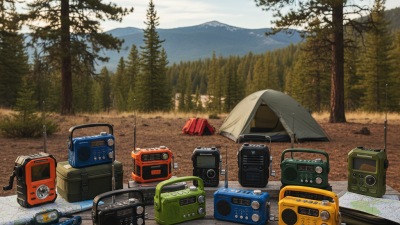
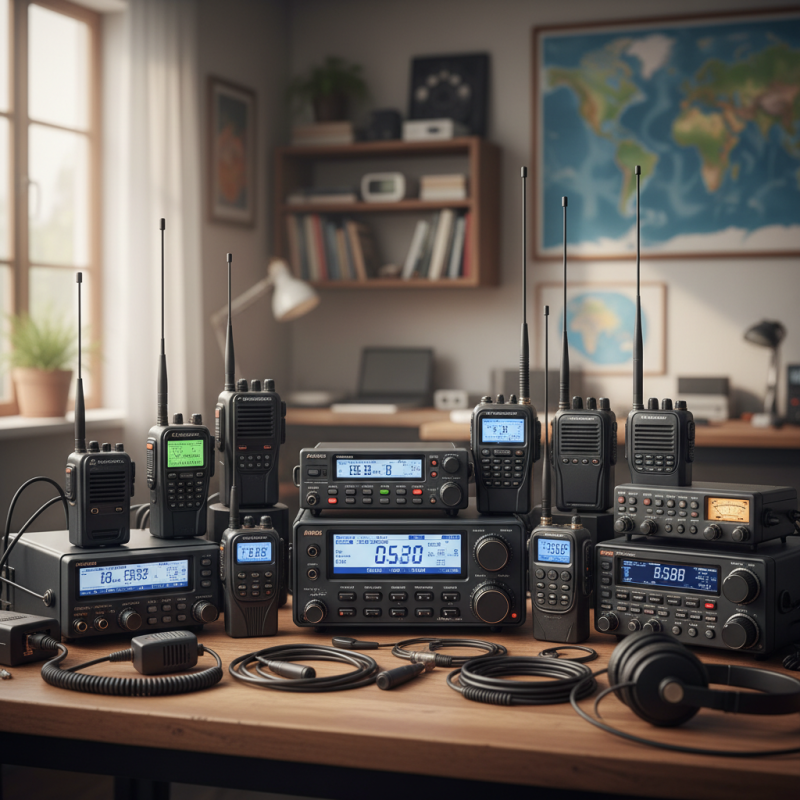
Portability and ease of use are also crucial for newcomers to the ham radio world. Many beginners benefit from handheld models, which are lightweight and designed for on-the-go communication. Features such as user-friendly interfaces, clear displays, and intuitive controls help simplify operations for those who are just starting. Furthermore, consider the battery life and charging options of the radio, as efficient energy management is vital, especially for outdoor activities or emergencies. By focusing on these critical factors—frequency range, power output, portability, and usability—beginners can make informed decisions that enhance their ham radio experience.
Comparison of Popular Ham Radio Types: Handheld, Mobile, and Base Stations
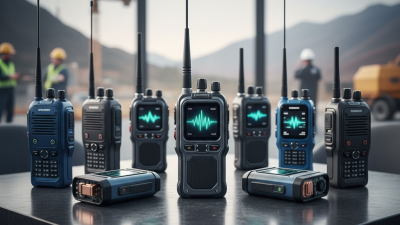
When it comes to choosing the right ham radio for beginners, understanding the different types available is crucial. The three primary categories—handheld, mobile, and base stations—each offer distinct advantages that cater to various user needs. According to a recent industry report by the Consumer Electronics Association, the handheld radio segment has seen a significant growth of approximately 15% year-on-year, driven largely by their portability and ease of use for new operators. Handheld radios are compact and ideal for outdoor activities, making them a preferred choice for beginners who want an accessible entry point into the world of amateur radio.
Mobile radios, typically mounted in vehicles, cater to those who seek a balance between portability and operational power. Research indicates that mobile units account for nearly 30% of the global ham radio market, appealing to users who wish to communicate while on the go. These radios offer enhanced features and better ranges compared to handheld units, which helps new users experience more robust communication capabilities without being tethered to a stationary location. Base stations, while less mobile, deliver the strongest signal and greater reliability, making them invaluable for enthusiasts who plan to operate predominantly from a fixed location. With an estimated growth rate of 10% in the base station segment, these systems provide an excellent platform for beginners to explore more advanced features as they develop their skills.
Top 10 Ham Radios for Beginners: Best Options and Buying Guide
| Type |
Frequency Range |
Power Output |
Battery Life |
Weight |
Price Range |
| Handheld |
VHF/UHF |
5W - 10W |
12 - 20 hours |
0.5 lbs |
$50 - $200 |
| Mobile |
HF/VHF/UHF |
25W - 100W |
10 - 15 hours |
3 lbs |
$150 - $600 |
| Base Station |
HF/VHF/UHF |
50W - 200W |
Continuous |
10 lbs |
$300 - $1500 |
| QRP Station |
HF |
1W - 5W |
20 - 30 hours |
2 lbs |
$100 - $400 |
| Portable |
HF/VHF |
5W - 20W |
10 - 15 hours |
1.5 lbs |
$80 - $350 |
Essential Features for Beginner Ham Radios: Frequency Ranges and Modes
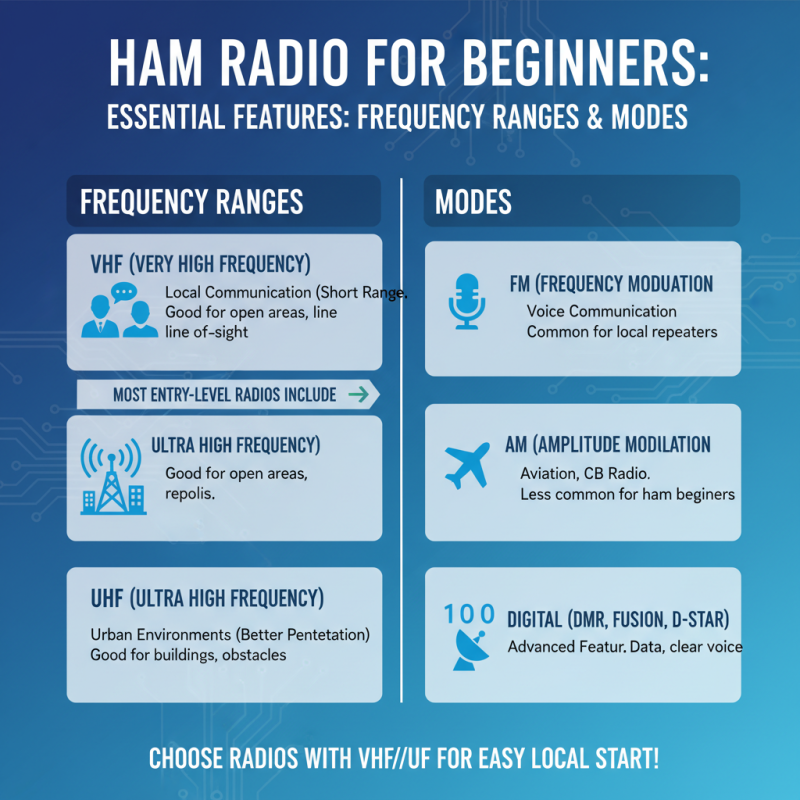
When selecting a ham radio for beginners, understanding essential features, particularly frequency ranges and modes, is crucial to ensure a satisfying and productive experience. Frequency range is a vital consideration as it dictates the bands on which a radio can operate. Most entry-level ham radios cover the VHF and UHF bands, offering a wide array of channels for local communications. VHF is often favored for shorter range transmissions, while UHF provides better coverage in urban environments due to its ability to penetrate buildings more effectively. Therefore, beginners should look for models that support these frequencies to connect easily with local operators.
Alongside frequency ranges, the modes of operation available on a radio play a significant role in its usability. Common modes such as FM (Frequency Modulation), SSB (Single Side Band), and CW (Continuous Wave) each have their own advantages. FM mode is user-friendly and ideal for voice communications, making it a popular choice for newcomers. SSB, on the other hand, allows for longer-distance communications by using less bandwidth, which could be an appealing feature for those planning to expand their skills. CW, often used for emergency communications, is a bit more complex to master but a valuable mode to learn. By understanding these essential features, beginners can make informed decisions about which ham radio will best suit their needs as they embark on their amateur radio journey.
Understanding Licensing Requirements for Amateur Radio Operators
When delving into the world of amateur radio, understanding the licensing requirements is crucial for any aspiring operator. In the United States, the Federal Communications Commission (FCC) regulates amateur radio licenses, requiring individuals to pass specific examinations that test their knowledge of radio theory, regulations, and safety practices. There are three main license classes: Technician, General, and Extra, each permitting progressively broader privileges. According to the FCC, as of 2022, there are over 750,000 licensed amateur radio operators in the U.S., with a growing trend toward more individuals seeking licenses for emergency communication and community engagement.
Moreover, the rise in interest in amateur radio has been supported by various industry reports indicating a 15% increase in licenses granted annually since 2019. This growth is attributed to more effective outreach and educational programs, which have made the licensing process more accessible. For beginners, starting with the Technician class typically involves studying basic radio frequency techniques, operating procedures, and regulations. Resources such as study guides and online courses have made it easier for newcomers to prepare for examinations, stimulating the entry of diverse audiences into the amateur radio community. By comprehensively understanding the licensing requirements, beginners can confidently embark on their journey into ham radio, fostering a deeper connection with fellow enthusiasts and enhancing their skills in communication and technical knowledge.
Top 10 Ham Radios for Beginners: Comparison of Features
This chart compares the top 10 ham radios for beginners based on key features such as frequency range, power output, and weight. It helps prospective amateur radio operators make an informed choice based on their specific needs.
Cost Analysis of Beginner Ham Radios: Budget-Friendly Options vs. Premium Models
When considering ham radios for beginners, it's essential to perform a
cost analysis that differentiates between
budget-friendly options and
premium models. For those just starting in amateur radio, budget-friendly models provide a
great entry point without overwhelming financial commitment. These radios typically offer
essential features such as basic connectivity, reasonable power output, and user-friendly
interfaces, making them ideal for novice operators. They allow beginners to grasp the
fundamentals of amateur radio without worrying about complex functionalities or renting
expensive equipment.
On the other hand, premium ham radios often come equipped with
advanced features and higher performance capabilities. These models may
include enhanced frequency ranges, sophisticated digital modes, and superior build quality,
catering to users who want to explore more in-depth aspects of ham radio operation.
While they may require a higher initial investment, the long-term benefits include better
reliability and the potential for a more
enriching ham radio experience. Weighing the advantages of each category is crucial for
beginners to ensure they select the right equipment that aligns with both their
budget and aspirations in the
amateur radio community.