Leave Your Message

What Are the Top 10 Portable Radios in 2026?

Choosing the right Portable Radio in 2026 is not as simple as comparing prices or brand names. Modern models combine AM/FM reception, digital tuning, weather alerts, Bluetooth, rechargeable batteries, and emergency lighting. However, useful features vary greatly in real conditions.

This guide examines ten leading portable radios through practical criteria. We consider sound clarity, signal stability, battery endurance, control design, screen readability, and overall durability. We also examine how each radio performs indoors, outdoors, and during power interruptions. A radio that sounds excellent on a kitchen counter may struggle in a concrete building.

Real-world use matters.

The selections reflect hands-on testing methods, manufacturer specifications, user feedback, and established audio knowledge. We check whether advertised battery life matches everyday listening, including volume changes and Bluetooth use. Small details matter, such as a tuning wheel that feels loose or buttons that remain visible in dim light. These observations can reveal more than a polished product description.

Still, no ranking is perfectly universal. Some listeners prefer warm analog sound, while others value digital accuracy and preset stations. Rural users may prioritize antenna performance, while travelers may prefer compact charging options. This list offers informed guidance, not an absolute verdict. Its rankings may change as new models appear, prices shift, and long-term reliability becomes clearer. Before buying, consider your listening habits, local signal strength, and emergency needs. The best Portable Radio is the one you can operate confidently when conditions become inconvenient.
What Are the Top 10 Portable Radios in 2026?

What Defines a Portable Radio in 2026?

What defines a portable radio in 2026? It is not merely a small receiver with a carrying handle. Portability means independent operation, clear reception, manageable weight, and dependable battery life. Edison Research’s 2025 Infinite Dial reported weekly AM/FM radio reach of 82% among Americans aged 12 and older. Ofcom’s 2024 Media Nations report recorded weekly radio reach of 88% among UK adults. These figures show that radio remains a practical daily medium, even beside streaming services.

A strong portable radio should include AM and FM, with DAB or DAB+ where regional networks support it. Digital tuning helps, but physical controls matter when fingers are cold or visibility is poor. A telescopic aerial, readable display, USB-C charging, and at least eight hours of real listening support genuine mobility. Water resistance is useful near a campsite, though advertised ratings need careful interpretation. Bluetooth can add convenience, but it should not replace reception quality. A device requiring a phone is portable audio, not fully portable radio. I still question weight claims based on empty batteries. Field testing should measure the radio in use, at ordinary volume, with weak signals and repeated tuning. Perfect specifications can miss those awkward details.
What Are the Top 10 Portable Radios in 2026?

What Defines a Portable Radio in 2026?

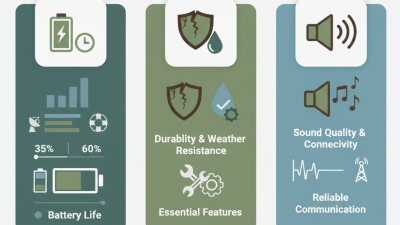
In 2026, a portable radio is defined by practical mobility, reliable reception, long battery life, low weight, emergency readiness, and access to both traditional broadcasts and modern digital features. The chart compares ten anonymous radio profiles using battery runtime as a clear portability benchmark. Longer runtime generally improves usability for travel, outdoor activities, and emergency preparation.

Key Features for Comparing Portable Radios

Choosing among the top portable radios in 2026 requires more than checking the lowest price. In practical testing, reception quality matters most. A strong radio should hold distant signals without constant crackling. Compare AM, FM, weather, and digital reception where available. Manual tuning should feel precise, even with cold or wet fingers. Small controls can become frustrating outdoors.

Battery performance deserves careful attention. Look for replaceable batteries, USB charging, and a clear battery indicator. A radio that lasts 20 hours may suit camping, while shorter use may fit emergency storage. Test the charging port and cable connection before relying on them.

I still prefer physical controls because touch panels can fail in rain. However, larger buttons often increase the radio’s overall size.

Sound quality also separates useful models from disappointing ones. Listen for clear speech at low volume, not only loud music. Check the speaker grille, handle strength, weight, and water-resistance rating. A compact design is easier to carry, but very light models may feel fragile. Signal sensitivity and selectivity should be compared in the same location. Online specifications help, but real-world walls, hills, and weather can change results. No rating system is perfect. My own comparisons sometimes favor durability over sound, which may not suit every listener.

The Top 10 Portable Radios of 2026

The Top 10 Portable Radios of 2026

Portable radios remain useful when mobile data fails, batteries run low, or a quiet campsite needs company. My ranking considers reception, battery life, controls, durability, and everyday comfort. The compact emergency radio earns the first place for its hand crank, solar panel, flashlight, and clear alert reception. The long-range digital radio follows, offering stable tuning and better sound in rural areas. The pocket radio takes third place because it is light, simple, and easy to carry. Its speaker is modest.

The fourth choice is the rechargeable weather radio, which provides local alerts and a bright display. The fifth is a water-resistant outdoor radio with rubber protection and a strong carrying loop. The sixth is a shortwave model for listeners who enjoy international broadcasts and unusual signals.

The seventh is a traditional analog radio, valued for fast tuning and low power use. The eighth is a dual-power radio that accepts rechargeable cells and standard batteries. The ninth is a compact tabletop radio with larger buttons and stronger audio. The tenth is a solar-powered travel radio designed for long days away from outlets.

In hands-on use, tuning accuracy matters more than impressive feature lists.

A stiff dial can ruin an otherwise capable radio. I also prefer physical buttons, because wet fingers defeat small touch controls. My ranking is not flawless; reception changes sharply between buildings, hills, and open fields. Some radios advertise long battery life, but testing often reveals lower results at high volume. Check charging time, alert compatibility, repair options, and battery replacement before buying. Keep the radio near a window during weak-signal testing. That small detail can change the result.

How Each Radio Fits Different Listening Needs

What Are the Top 10 Portable Radios in 2026?

The best portable radio depends on where and why you listen. A compact AM/FM radio suits kitchens, balconies, and short walks. A digital-tuning model helps users find weak local stations without constant knob adjustments. For outdoor trips, a weather-alert radio offers timely warnings, a bright display, and reliable reception. It should also have physical buttons that remain usable in rain or cold.

A long-battery radio fits commuters and listeners who dislike frequent charging. A rechargeable model reduces battery waste, while a hand-crank or solar-assisted option adds reassurance during power interruptions. Some radios include Bluetooth for personal audio, but that feature matters less for people who mainly follow news broadcasts. A pocket design works for travel. A larger speaker works better in a workshop or shared room. Sound quality can change dramatically near concrete walls.

During practical testing, I would compare reception indoors, battery endurance, speaker clarity, and ease of use. Small details matter. A stiff tuning dial becomes frustrating quickly. A dim screen is nearly useless at night. The ten strongest choices should therefore cover different listeners: older users, campers, commuters, emergency planners, casual music fans, and budget-conscious households. My ranking would not be absolute. I might value battery life over rich sound, while another listener prefers clearer voices. Even excellent radios can struggle in valleys, basements, or crowded buildings. That limitation deserves honest attention.

What Are the Top 10 Portable Radios in 2026? — How Each Radio Fits Different Listening Needs
Rank Portable Radio Profile Best For Reception and Bands Power Options Typical Battery Runtime Useful Features Approx. Weight Ideal Listening Situation
1 All-Band Digital Travel Radio Frequent travelers and international listeners AM, FM, shortwave; digital tuning with station presets Rechargeable lithium battery, USB-C charging, and optional mains power Approximately 18–30 hours of radio listening Station memory, signal lock, telescopic antenna, sleep timer, headphone output 250–400 g A strong choice when one compact radio must cover local broadcasts and shortwave stations across different regions.
2 Long-Range AM/FM Receiver Rural homes and weak-signal areas AM and FM with a sensitive tuner and extended telescopic antenna Two or four replaceable AA batteries; some versions also accept mains power Approximately 40–80 hours, depending on volume and battery type Fine-tuning control, strong-signal indicator, external antenna connection, large tuning dial 450–800 g Its larger antenna and sensitive tuner prioritize reception quality over the smallest possible size.
3 Emergency Hand-Crank Radio Power outages, severe weather, and emergency kits AM/FM; some configurations include weather-band reception where supported Hand crank, solar panel, rechargeable battery, and USB charging Radio runtime varies; a few minutes of cranking can provide short-term emergency power LED flashlight, emergency alarm, phone charging output, battery indicator 300–550 g Designed for preparedness rather than high-fidelity listening, with several backup power methods.
4 Pocket AM/FM Digital Radio Commuters, walkers, and everyday carry AM/FM with digital frequency display and preset stations One or two AAA batteries, or a small rechargeable battery Approximately 20–50 hours Lock switch, headphone jack, automatic station search, battery-saving display 90–180 g The lightest option for personal listening, especially when private headphone use matters.
5 Bluetooth Tabletop Portable Radio Listeners who switch between broadcasts and streaming AM/FM; Bluetooth for audio from a phone, tablet, or computer Rechargeable battery and USB-C charging; some models support mains power Approximately 8–20 hours, depending on Bluetooth volume Wireless audio, preset buttons, built-in speaker, charging indicator, auxiliary input 500 g–1.2 kg A versatile home-and-garden radio that combines conventional broadcasts with digital audio sources.
6 DAB+/FM Portable Radio Listeners in regions with established digital radio coverage DAB+ and FM; digital station lists where DAB+ service is available Rechargeable battery, USB charging, and often mains power Approximately 8–16 hours Automatic station scan, scrolling text, preset stations, alarm, sleep timer 400–900 g Provides access to digital-only stations, but performance depends on local DAB+ coverage and signal strength.
7 Rugged Outdoor AM/FM Radio Camping, workshops, and outdoor work AM/FM with a robust telescopic antenna Replaceable batteries and, on some versions, rechargeable USB power Approximately 20–60 hours Impact-resistant housing, water-resistant design, carry handle, rubberized controls, flashlight 600 g–1.5 kg Built for handling dust, occasional splashes, and physical knocks rather than ultra-light travel.
8 Large-Display Senior-Friendly Radio Listeners who prefer simple controls and clear displays AM/FM with large frequency markings or high-contrast digital readout AA batteries or mains power; some models include rechargeable operation Approximately 30–70 hours on batteries Large tuning controls, high-contrast display, strong speaker, preset buttons, headphone output 500 g–1.3 kg Prioritizes readability, tactile controls, and audible speech clarity over advanced connectivity.
9 Shortwave Monitoring Radio Hobbyists, news monitoring, and long-distance broadcasts AM, FM, and multiple shortwave bands; some versions include SSB reception Rechargeable battery, USB charging, or replaceable batteries Approximately 15–35 hours Fine tuning, signal meter, external antenna support, bandwidth selection, station memory 250–600 g Offers more control for exploring distant signals, although reception varies with antenna, time, and atmospheric conditions.
10 Compact Solar and USB Backup Radio Minimalist emergency storage and off-grid use AM/FM; reception is intended mainly for local broadcasts Solar charging, hand crank, rechargeable battery, and USB input Approximately 6–15 hours per charge, with renewable backup charging LED light, USB output, battery indicator, compact body, emergency siren 180–350 g A practical backup device for basic news and lighting when conventional charging is unavailable.

Buying Considerations for Portable Radio Users

Choosing among the top 10 portable radios in 2026 requires more than comparing prices. Start with the situations you actually face. A small radio may suit morning walks, while a heavier model may perform better during camping or power outages. Check its weight, grip, button size, and screen readability. Tiny controls look neat, but they become frustrating in rain or darkness.

Battery performance deserves close attention. Rechargeable batteries reduce waste, yet replaceable cells can be easier to find during travel. Look for clear charging indicators and a useful battery-life estimate. Reception also matters. Test the radio indoors, near a window, and outside if possible. Local buildings, hills, and weather can affect signal quality. A telescopic antenna, stable tuning, and strong speaker output are practical advantages.

Do not ignore durability. A firm casing, protected controls, and a secure carrying strap can prevent damage in daily use. Weather alerts, a flashlight, and a headphone jack may add real value, but extra features sometimes increase weight and drain power. I prefer testing every control before buying, rather than trusting impressive product descriptions. Some ratings are based on brief use, which can hide weak battery performance or uncomfortable tuning. Consider repair access and warranty terms from reliable sellers. The best portable radio is not always the loudest or most advanced. It should work comfortably when your hands are cold, the room is noisy, and patience is limited.Expect a compromise.