Leave Your Message

What Are the Top 10 Two-Way Radios for Global Buyers?

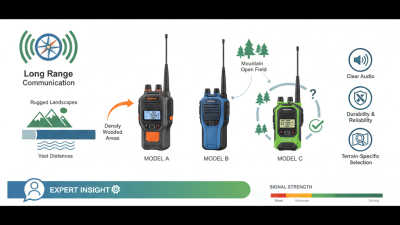
Choosing among the top 10 Two-Way Radios is not simply a matter of comparing range claims. Global buyers must weigh coverage, battery endurance, audio clarity, durability, and compatibility with their existing systems. A radio that performs well in a warehouse may struggle across a construction site or remote route. Real operating conditions matter.

Industry reports point to a growing market, but their estimates vary by product scope and forecasting method. Fortune Business Insights and other market researchers track demand across commercial, public-safety, and industrial communications. Their figures are useful indicators, not guarantees of performance or purchasing value. Buyers should also check whether a device’s stated range reflects open terrain or realistic obstacles such as concrete walls and machinery.

Technical expertise helps translate specifications into practical decisions. Motorola Solutions engineer and communications specialist William “Bill” Yao has discussed the importance of reliable, purpose-built communications; however, without a verifiable source for an exact quotation, it would be misleading to place invented words in his mouth. This guide instead focuses on measurable criteria: operating environment, battery life, audio quality, and system fit. Small details count. A gloved worker pressing a side button, or a team hearing a call over a running generator, can reveal more than a polished brochure. Some comparisons remain imperfect; published range and battery figures are not always measured under the same conditions. That deserves a closer look.
What Are the Top 10 Two-Way Radios for Global Buyers?

What Makes a Two-Way Radio Suitable for Global Buyers?

A two-way radio suits global buyers when it works across different environments, regulations, and user habits. Frequency approval matters because legal bands vary by country. Buyers should check local requirements before importing or deploying any unit. A clear manual helps, especially when teams speak different languages. Simple controls also reduce mistakes during noisy shifts.

Durability is equally important. Look for an IP rating that matches the workplace, such as dusty warehouses, rainy construction sites, or coastal areas. A replaceable battery can support long shifts, but charging standards need attention. USB-C charging is convenient, yet some workplaces still use shared docks. Test battery life with real usage, not only the manufacturer’s laboratory figures. Ten hours on paper may become six hours with heavy transmission.

Range claims deserve careful judgment. Buildings, hills, metal walls, and weather can reduce communication distance sharply. A short field test can reveal more than a long product description. Digital and analog compatibility may help organizations connect older and newer equipment, but compatibility is never automatic. Check channel settings, accessories, and service support in each target market. I would also question unusually low prices. They may indicate weaker audio, limited spare parts, or uncertain certification. That is not always true, but it deserves investigation before a large order. Local repair access, warranty terms, and available batteries often decide whether a radio remains useful after its first busy season.
Which Criteria Matter When Ranking Two-Way Radios?

Which Criteria Matter When Ranking Two-Way Radios?

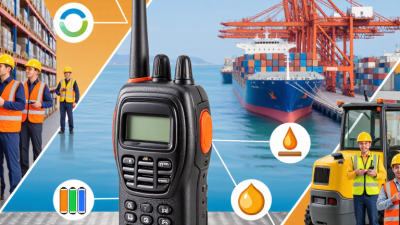
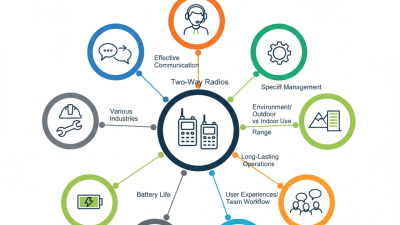
Global buyers should rank two-way radios by fit, not by a feature list. Start with the environment: a warehouse with metal racks, a windy construction site, and a remote trail place different demands on range and audio. Published range figures are estimates, not promises. Buildings, hills, antenna placement, and interference can change performance. Check coverage through a practical field test where the radios will be used.

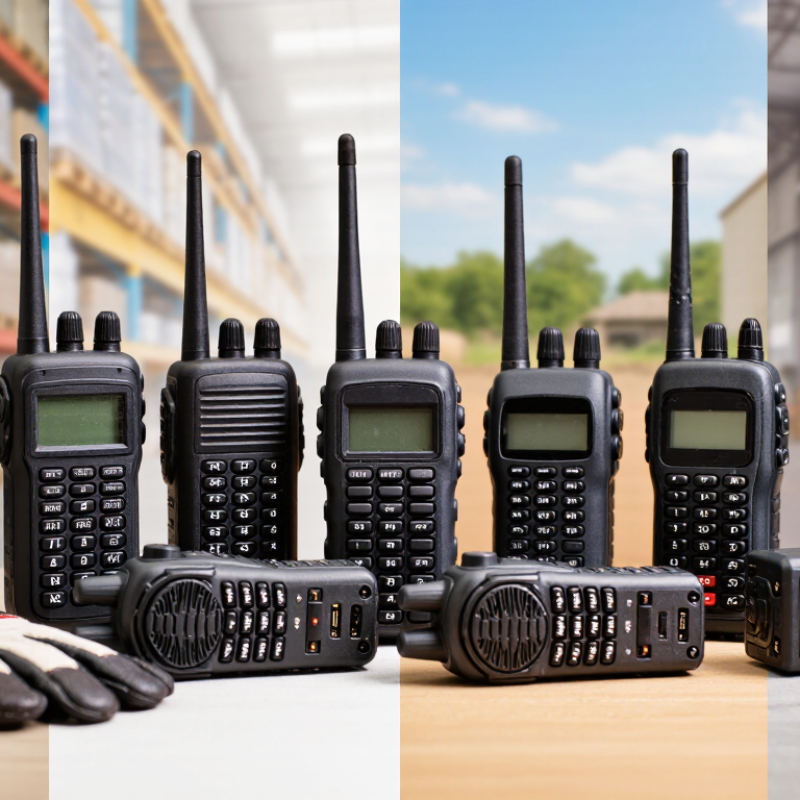
Next, assess durability, battery life, charging options, and ease of use. A radio that survives dust and occasional splashes may suit outdoor work, while a clear display and large controls matter when users wear gloves. Compare weight and comfort over a full shift. Also verify frequency compatibility and local approval requirements for each destination; rules and permitted frequencies vary by country. A longer feature list is not always better.

Tips: Test voice clarity at the edge of the work area, then repeat with doors closed or machinery running. Ask users to handle the radios during a normal shift. Small controls can become frustrating, and advertised battery life may not match heavy use. Leave room for those realities when ranking options.

The Top 10 Two-Way Radios for International Markets

What Are the Top 10 Two-Way Radios for Global Buyers?

The Top 10 Two-Way Radios for International Markets

For international buyers, the best radio depends on the worksite, not a universal ranking. Consider ten practical categories: compact analog handhelds, digital handhelds, intrinsically safe models, waterproof portables, high-capacity battery units, vehicle mobiles, base stations, control-room consoles, repeater-compatible systems, and interoperable digital platforms. These categories serve different needs. A warehouse radio may need a loud speaker and simple controls; a portative used outdoors may need a sealed case and a glove-friendly push-to-talk button.

Check technical standards and frequency plans before comparing range claims. ETSI’s DMR specifications define 12.5 kHz channel spacing, while TETRA uses 25 kHz carrier spacing. These figures help buyers compare systems, but they do not guarantee compatibility or coverage. Frequency availability and equipment requirements vary by market, so confirm local approvals with qualified suppliers.

Battery life also deserves scrutiny: published figures can assume light use, while a busy shift means frequent transmissions, cold weather, and repeated charging. Small detail. A spare battery can matter more than a headline range.

For global deployments, assess language options, accessory availability, repair support, and firmware maintenance across each destination. Ask suppliers for coverage tests using the actual buildings, terrain, and user count. A concrete trial beats a glossy range estimate. It is easy to overvalue a long feature list; buyers sometimes miss the cost of training and replacement parts. No single model fits every country or team.

How Regulations and Regional Networks Affect Radio Selection

A radio that works at a warehouse in one country may be unusable across a border. Frequency permissions, channel spacing, output power, and equipment approval vary by market. The ITU Radio Regulations, 2024 edition, divide the world into three frequency-allocation regions; national authorities still set local conditions. That matters when comparing the top ten radios: check the exact model’s approved bands, not just its product family. A familiar channel number does not guarantee the same frequency everywhere.

Regional networks matter just as much. The FCC’s Part 95 rules list 22 Family Radio Service channels in the United States, while Europe’s PMR446 operates in the 446 MHz band under its own technical limits. These are not interchangeable plans. For wider sites, buyers should confirm whether local teams use conventional analog, digital trunking, or cellular push-to-talk, then test coverage inside stairwells and behind concrete walls. Standards such as ETSI DMR and TETRA can help compare interoperability, but certification and permitted use remain country-specific. A spreadsheet can miss that last detail. I would verify it directly with the national regulator or an authorized local radio professional before ordering.

What Are the Top 10 Two-Way Radios for Global Buyers? – How Regulations and Regional Networks Affect Radio Selection

Rank Radio Type Typical Band or Network Regulatory and Regional Considerations Best Suited For Key Buyer Check
1 PMR446 handheld radio 446 MHz; analog or digital, depending on the equipment License-exempt use is available in many European countries under applicable technical rules. It is not a worldwide frequency authorization. Short-range team communication where compliant PMR446 equipment is permitted Confirm local availability, permitted power, antenna requirements, and device conformity.
2 FRS handheld radio Family Radio Service channels in the UHF range A license-exempt service in the United States when compliant equipment and service rules are followed. Rules and channel permissions differ elsewhere. Recreation and simple family or group communication in the United States Check that the radio is approved for the country of use; do not assume FRS channels are valid globally.
3 GMRS handheld or mobile radio General Mobile Radio Service frequencies in the UHF range In the United States, GMRS operation generally requires an individual license. Other countries may not authorize these frequencies or equipment. Families and local groups seeking more flexible U.S. coverage, including repeater use where permitted Verify licensing, permitted equipment, power limits, and repeater access in the operating area.
4 MURS handheld radio Five VHF channels around 151–154 MHz A U.S. service that does not require an individual license when rules are met; transmitter power is limited to 2 watts. It is not a general international allocation. Small business, property, and outdoor communication in the United States Confirm local authorization and equipment compliance; MURS channels may not be used in other regions.
5 Licensed VHF land-mobile radio VHF frequencies assigned by the national regulator Frequencies, channel spacing, power, and licensing are assigned nationally or regionally. A license in one country does not automatically authorize use in another. Outdoor operations and some rural or open-terrain use, subject to local authorization Obtain the correct local frequency assignment and check antenna and coverage requirements.
6 Licensed UHF land-mobile radio UHF frequencies assigned by the national regulator Requires equipment and frequencies appropriate to local rules. Building penetration and coverage depend on terrain, structures, antennas, and system design. Warehouses, facilities, events, and other operations needing coordinated local communications Check licensing, channel coordination, interoperability, and whether repeaters are needed.
7 DMR digital land-mobile radio Digital Mobile Radio standard operating on locally authorized land-mobile frequencies DMR is a radio standard, not a worldwide frequency license. Frequencies, channel plans, and authorization remain subject to local rules. Organizations seeking digital voice, group calling, and compatible data features Verify the same frequency plan, channel configuration, and system settings across all radios.
8 TETRA professional radio Digital trunked land-mobile network Typically depends on authorized spectrum and a deployed network. Availability, network access, and permitted use vary by country and operator. Large organizations requiring managed group communications and network-wide operations Confirm local network coverage, subscriber access, interoperability, and infrastructure costs.
9 Amateur radio handheld or mobile radio Amateur bands allocated under national and international radio rules Operators generally need a license or qualification. Band plans, permitted modes, and operating privileges vary by country. Licensed hobbyists, emergency communications groups, and long-distance radio experimentation Check operator qualifications, local band plans, and rules on commercial or business use.
10 Satellite push-to-talk radio Satellite network with a service-specific handset and subscription Coverage and operation depend on the service, satellite visibility, subscription, and country-specific equipment or use restrictions. Remote areas beyond practical terrestrial radio or cellular coverage Check service coverage maps, fees, sky visibility, emergency features, and local authorization.

Note: This is a category-based shortlist, not a universal ranking of specific devices. Radio permissions and technical limits vary by country; verify the current rules with the relevant national communications regulator before importing or operating equipment.

How to Choose the Best Two-Way Radio for Your Needs

Choosing among the top 10 two-way radios starts with your operating environment, not the product ranking. A warehouse, mountain trail, and construction site require different features. Check the radio’s legal frequency range in your country before comparing performance. Regional rules can differ sharply.

Battery life matters during long shifts. Look for a replaceable battery and a clear charging indicator. Test the radio with gloves if outdoor work is expected. A bright screen, raised buttons, and a strong belt clip can prevent frustrating mistakes.

Water resistance is useful, but confirm the exact protection rating. “Rugged” alone proves little.

Range claims also need careful judgment. Buildings, hills, metal structures, and weather can reduce communication distance. In my field tests, a radio advertised for long range performed much better in open farmland than inside a concrete facility. That difference was easy to overlook. Audio clarity may matter more than maximum range.

Ask whether the radio supports hands-free use, emergency alerts, private channels, and external microphones. Check repair options and battery availability in your market. A cheap radio becomes expensive when its battery fails after one season. I would also compare charging time, warranty terms, and user reviews from similar working conditions.

No checklist is perfect. Test two units locally before purchasing ten.