Top GMRS Frequencies for Effective Communication in 2026?
Effective communication is vital in various situations, including emergencies and outdoor activities. Understanding GMRS frequencies is crucial for successful connections. GMRS, or General Mobile Radio Service, offers various channels for personal communication. These frequencies allow users to maintain contact over significant distances. In 2026, the landscape of GMRS frequencies continues to evolve.
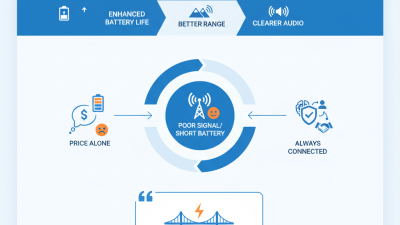
As technology advances, so does the performance of GMRS radios. Users must stay informed about the best GMRS frequencies to ensure reliable communication. Factors such as interference and signal strength play a significant role in frequency selection. Each frequency may have its own characteristics, affecting clarity and reach.
Refining our understanding of GMRS frequencies can lead to improved communication strategies. Some users may overlook hidden issues, like battery life or weather conditions. Identifying these factors allows for better preparedness. As we approach 2026, focusing on effective GMRS frequencies is essential for enhancing our communication experience.

Understanding GMRS: Definition and Key Features
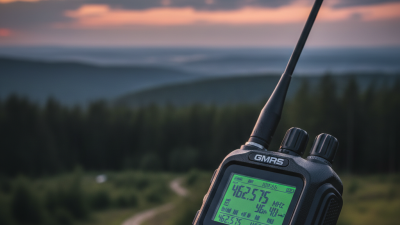
General Mobile Radio Service (GMRS) is a two-way radio service, popular for personal and family communication. Defined by the FCC, it operates on UHF frequencies. GMRS radios have a maximum power output of 50 watts. This power allows them to cover several miles, often making them suitable for outdoor adventures.
Key features of GMRS include repeaters, which extend the range of communication. Users often appreciate the clear voice quality and reliability, especially in remote areas. GMRS requires a license, which adds a layer of responsibility. Without proper knowledge, misuse can lead to interference with other users. Many might struggle with understanding frequency allocation.
Effective communication on GMRS involves knowing the right channels. Some frequencies work better for particular situations, like emergency communication or recreation. However, many users may feel overwhelmed by the technical aspects. It is essential to practice using these radios before relying on them. A solid understanding of GMRS enhances its effectiveness. Awareness of your environment and potential obstacles can greatly influence communication success.
Importance of Frequency Selection in GMRS Communication
Choosing the right frequencies for GMRS communication is crucial for effective exchanges. Communication experts emphasize that frequency selection can significantly impact signal clarity and range. The General Mobile Radio Service (GMRS) operates in specific UHF bands, which can affect how well devices transmit and receive signals.
In 2026, using the appropriate GMRS frequencies becomes even more important due to increased demand for reliable communications. Factors such as terrain, weather, and interference play a role in how frequencies perform. Users should consider testing various channels to find the most effective options. Many overlook the potential of lower frequencies, assuming they are less effective, which can lead to missed opportunities for clear communication.
Proper frequency selection also involves periodic reassessment. What works well one year may not be optimal the next. As technology and user needs change, reflecting on frequency usage is vital. Engaging with users in your community can provide new insights into selecting the best frequencies for your needs. This collaborative approach can enhance personal experience and overall effectiveness in GMRS communications.
Top GMRS Frequencies for Effective Communication in 2026
| Frequency (MHz) |
Channel Number |
Typical Use |
Range (Miles) |
| 462.550 |
1 |
Emergency Services |
5-20 |
| 462.575 |
2 |
Outdoor Activities |
5-15 |
| 462.600 |
3 |
Community Events |
3-10 |
| 462.625 |
4 |
Family Communication |
2-8 |
| 462.650 |
5 |
Expedition/Travel |
10-30 |
| 467.550 |
6 |
Commercial Use |
5-20 |
Top GMRS Frequencies for Various Communication Needs
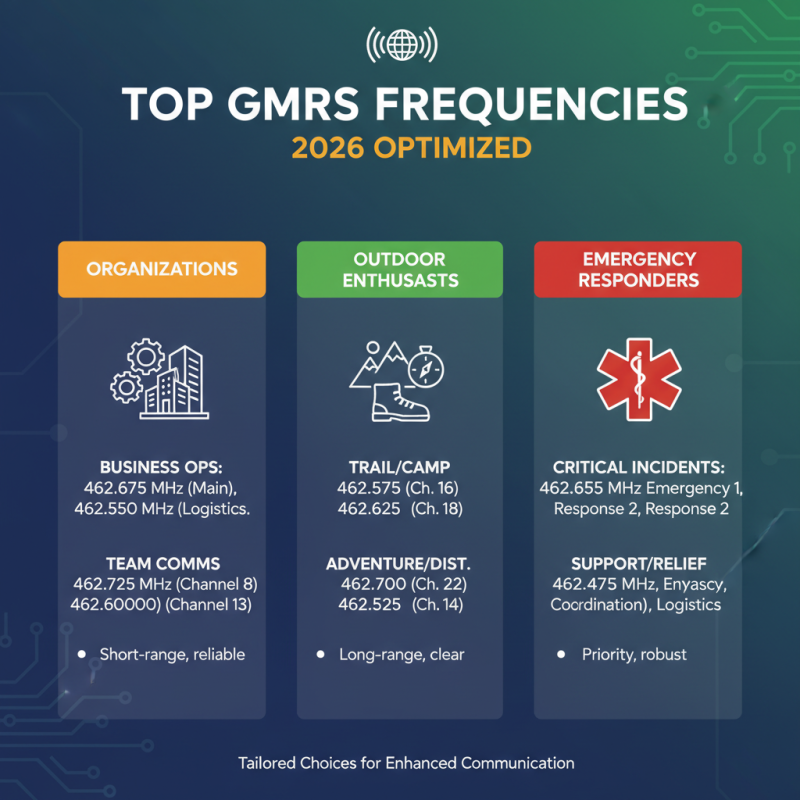
Choosing the right GMRS frequencies can significantly enhance communication in various scenarios. In 2026, optimal frequencies will vary based on communication needs. Organizations, outdoor enthusiasts, and emergency responders will benefit from tailored frequency choices.
For groups requiring reliable communication, it is advisable to use channels 5, 6, and 7. These frequencies often provide clear signal strength. However, interference from nearby devices may disrupt clarity. Testing different channels before critical events can minimize complications.
For recreational use, consider channels 1, 2, and 3. These frequencies offer a balance between range and clarity. Users may encounter challenges with crowded channels. It is essential to monitor activity on these frequencies to avoid overlapping conversations. Always have a backup plan ready. Before heading out, check the local environment and potential obstructions that could impact signal strength. Adjust the power output as necessary for optimal performance.
Regulations and Licensing for GMRS Frequency Use
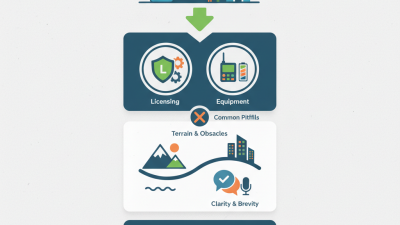
When considering GMRS frequency use, understanding regulations and licensing is crucial. The Federal Communications Commission (FCC) governs GMRS operations in the United States. As of 2023, regulations require users to obtain a license. This license allows for communication over specified frequencies, typically ranging from 462.550 MHz to 467.725 MHz. Not complying with these regulations can result in fines.
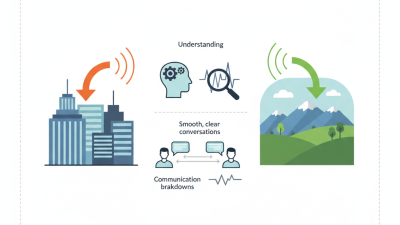
A study by the FCC indicates that approximately 30% of GMRS users operate without a valid license. This scenario highlights a significant concern for overall communication safety. Licensed GMRS operators are encouraged to adopt specific frequencies for optimal communication. Certain channels perform better in urban areas, while others are more effective in rural settings. Each situation may demand a different approach.
Knowledge of these practices, along with adherence to licensing, promotes effective communication. Moreover, staying informed about updates in GMRS regulations is essential. As communication technologies evolve, so do the rules governing them. Users must continuously adapt to ensure compliance and effective use of GMRS channels. This dynamic environment necessitates a proactive approach to understanding both frequency use and regulatory changes.
Future Trends in GMRS Communication and Frequency Management
The General Mobile Radio Service (GMRS) continues to evolve, with new trends shaping its future. In 2026, effective communication will rely heavily on frequency management and technology adoption. Recent studies indicate a growing demand for improved communication channels, particularly in emergency situations. The increasing use of GMRS in rural areas emphasizes its relevance.
Effective communication hinges on choosing the right frequencies. Studies show that GMRS users benefit from frequencies between 462.550 MHz and 467.725 MHz. This range offers less interference and clearer signals, especially in remote areas. Many users report that frequencies such as 462.600 MHz have seen remarkable performance in crowded environments.
**Tips:** Utilize a frequency scanner to identify less crowded channels. Regularly check for updates on frequency regulations to remain compliant. Always keep an emergency channel programmed for urgent situations. Experiment with alternative frequencies to optimize communication quality.