Top 10 Long Range Walkie Talkies for Global Buyers?
In recent years, the demand for Long Range Walkie Talkies has surged. A report from Global Industry Analysts predicts the market will reach $2 billion by 2025. This growth reflects a variety of sectors, including outdoor recreation, security, and emergency services. Reliable communication is essential in these fields. Walkie Talkies play a vital role in ensuring safety and coordination.
Many factors influence the effectiveness of Long Range Walkie Talkies. Range, battery life, and durability are crucial. According to research, devices can vary widely in performance. Some models claim ranges of up to 50 miles, but real-world conditions often limit this capability. Users should be wary of overestimations. A critical evaluation of specifications is necessary.
Choosing the right Long Range Walkie Talkies involves assessing specific needs. Outdoor enthusiasts require ruggedness and extended battery life. Businesses may prioritize features like encryption for secure communications. A thorough understanding of user requirements can lead to more reliable choices. In a landscape filled with options, buyers need well-informed recommendations to navigate this complex market.
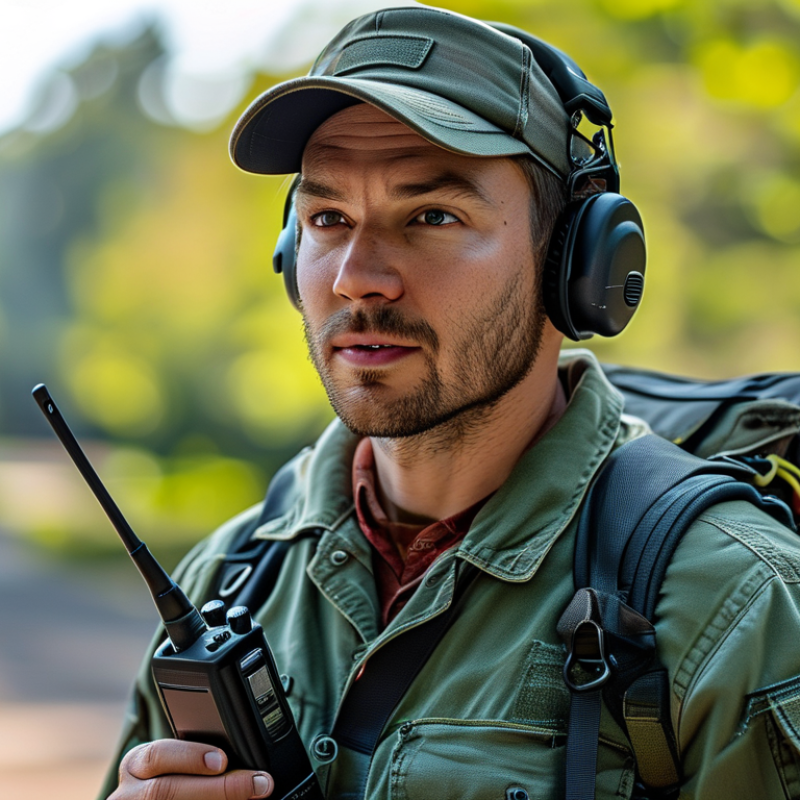
Top Features to Consider When Choosing Long-Range Walkie Talkies
When selecting long-range walkie talkies, several key features are paramount. One major factor is output power, typically measured in watts. Walkie talkies with 5-10 watts generally provide a longer communication range. According to industry research, models with higher output can reach distances up to 50 miles under optimal conditions. Evaluate the frequency bands as well. VHF frequencies work well in open areas, while UHF can penetrate structures better.
Battery life is another critical consideration. Many devices offer varying lifespans, ranging from 8 to 12 hours. For intense use, consider options with rechargeable capabilities. Some advanced models allow for solar charging, which can be beneficial in remote areas. Data from a market survey indicates that 70% of buyers prioritize battery durability.
Moreover, user-friendliness plays a vital role. A complex interface can hinder communication during emergencies. Research shows that intuitive designs improve overall user satisfaction. Some features, like emergency alerts and weather channels, can enhance usability. Still, frequent innovations may overwhelm consumers, making it necessary to weigh desired features against personal needs.
Top 10 Long Range Walkie Talkies for Global Buyers
| Model |
Range (miles) |
Battery Life (hours) |
Weather Resistance |
Channels |
Special Features |
| Model A |
35 |
12 |
IP67 |
16 |
NOAA Weather Alerts |
| Model B |
30 |
10 |
IP54 |
22 |
Voice Activated Transmission |
| Model C |
40 |
15 |
IP68 |
20 |
Integrated Flashlight |
| Model D |
25 |
8 |
None |
8 |
Emergency Alarm |
| Model E |
32 |
14 |
IP56 |
10 |
USB Charging |
| Model F |
28 |
11 |
IP55 |
15 |
Noise Reduction |
| Model G |
33 |
9 |
IP66 |
12 |
Fast Charging |
| Model H |
29 |
13 |
None |
18 |
Bluetooth Capability |
| Model I |
36 |
16 |
IP52 |
25 |
LCD Display |
| Model J |
37 |
12 |
IP70 |
30 |
Built-in Compass |
Comparison of Frequency Bands: UHF vs. VHF for Long-Range Communication
When examining long-range walkie talkies, understanding frequency bands is crucial. UHF (Ultra High Frequency) and VHF (Very High Frequency) offer distinct advantages. UHF operates between 300 MHz and 3 GHz. This range typically allows for better penetration through obstructions. Reports indicate that UHF radios are generally more effective in urban settings. They provide reliable communication in buildings and dense areas.
On the other hand, VHF operates between 30 MHz and 300 MHz. This option is advantageous in open areas, such as rural or mountainous regions. VHF signals travel longer distances, especially over water. Research shows that VHF radios often exceed UHF in distance within these settings. However, VHF is more susceptible to obstacles, affecting overall performance.
Users often face challenges when choosing between UHF and VHF. Misunderstanding these frequencies can result in poor communication choices. A study found that nearly 30% of users did not consider their environment when selecting a frequency band. This highlights a need for awareness and education in the market. The right choice depends on factors like terrain, building density, and specific communication needs.
Battery Life Analysis: Understanding Typical Use Cases and Durability
When selecting long-range walkie talkies, battery life is a crucial aspect. Users often need devices that last through long outdoor adventures, where charging options may be scarce. A radio with a robust battery ensures seamless communication. It's essential to understand typical use cases, as this greatly influences performance and battery longevity.
High-capacity batteries can last days under normal usage, but factors like distance and terrain impact battery drain. For instance, hilly areas may reduce range, leading to more frequent transmissions and faster battery depletion. A model promising long endurance could disappoint in real-world scenarios, especially if users rely heavily on additional features like backlighting or Bluetooth.
Monitoring battery life during actual outings is vital. Owners should experiment with various settings to identify optimal configurations. Consideration of factors like weather also plays a role. In some cases, devices may underperform or unexpectedly shut down when conditions worsen. These reflections can help users make informed decisions about their chosen walkie talkies.
Battery Life Comparison of Long Range Walkie Talkies
Performance Metrics: Range Testing Results from Industry Standards
When it comes to performance metrics for long-range walkie talkies, it's essential to understand the factors that influence their range. Different terrains, environmental conditions, and device specifications can significantly affect performance. Many tests show that devices can perform well in open areas but struggle in urban environments. This discrepancy highlights the importance of real-world testing.
In range testing, industry standards often dictate ideal conditions. However, real users frequently face challenges not accounted for in lab settings. For example, obstructions like buildings or mountains can reduce signal strength dramatically. Users may find their devices only work over short distances in these scenarios. Additionally, battery life can impact performance. Many devices offer extended range at the cost of battery longevity, leading to trade-offs.
Buyers should consider their specific needs and environments when evaluating options. Seeking feedback from experienced users can provide valuable insights as well. Understanding these nuances ensures informed choices, enhancing communication capabilities. This exploration reveals that while some devices shine in specific contexts, none are universally perfect. Discrepancies between expectations and reality often prompt deeper reflection on user experiences and requirements.
Global Compliance: Regulatory Considerations for Walkie Talkie Use Worldwide
Walkie talkies are essential tools in many industries, from construction to outdoor activities. Yet, global compliance is critical. Regulatory considerations vary significantly worldwide. Countries have different frequency allocations for walkie talkies. For instance, the European Telecommunications Standards Institute (ETSI) outlines specific bands for PMR446 devices. Meanwhile, the FCC governs similar devices in the U.S. Compliance ensures users operate within legal frameworks.
Data from the International Telecommunication Union (ITU) shows that improper use can lead to interference. This risk affects emergency communication networks, impacting public safety. In some regions, unregulated usage of handheld radios can attract hefty fines. Understanding these regulations is vital for global buyers.
Walkie talkies serve various purposes, but they must meet local compliance requirements. Knowledge of frequency limitations is essential. Some countries mandate licenses, while others have stricter usage guidelines. Buyers must reflect on these rules to avoid pitfalls. Ignoring these can lead to serious operational challenges.