Top Two-Way Radios of 2025: Best Options for Clear Communication
When it comes to effective communication, especially in environments where reliable connectivity is crucial, two-way radios stand out as an indispensable tool. These devices provide instant communication capabilities, making them a preferred choice for professionals working in sectors like construction, security, and event management. As we move into 2025, the evolution of two-way radios continues to enhance their features, usability, and overall performance, ensuring that users can maintain clear and uninterrupted dialogue in various situations.
The advancements in technology have led to the emergence of new two-way radios that not only boast superior clarity but also come equipped with innovative functionalities. Users can expect enhancements in battery life, range, and durability. Moreover, the incorporation of digital technologies offers improved sound quality and reduced interference, making two-way radios a more reliable option than ever before. As we explore the best options available, it is essential to consider the distinct features that make these devices suitable for specific needs and environments.
In this overview of the top two-way radios for 2025, we will delve into the key characteristics that set these communication devices apart. Whether it's for professional use or recreational activities, the right two-way radio can facilitate smooth communication, ensuring that teams remain connected and informed at all times. Understanding these advancements will help users make informed decisions when selecting the ideal two-way radio for their specific requirements.
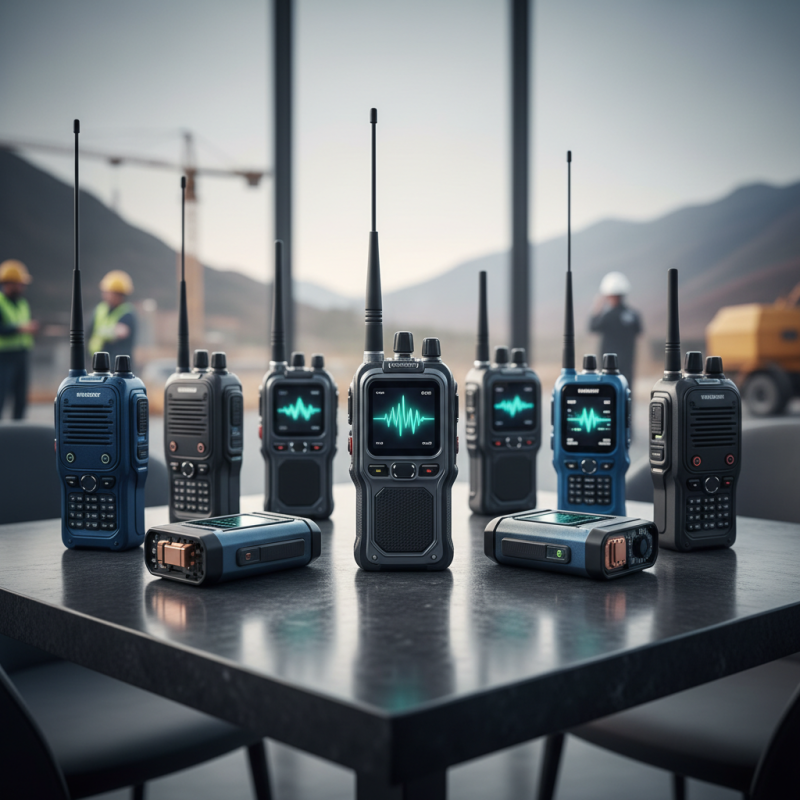
Overview of Two-Way Radios: Importance in Modern Communication
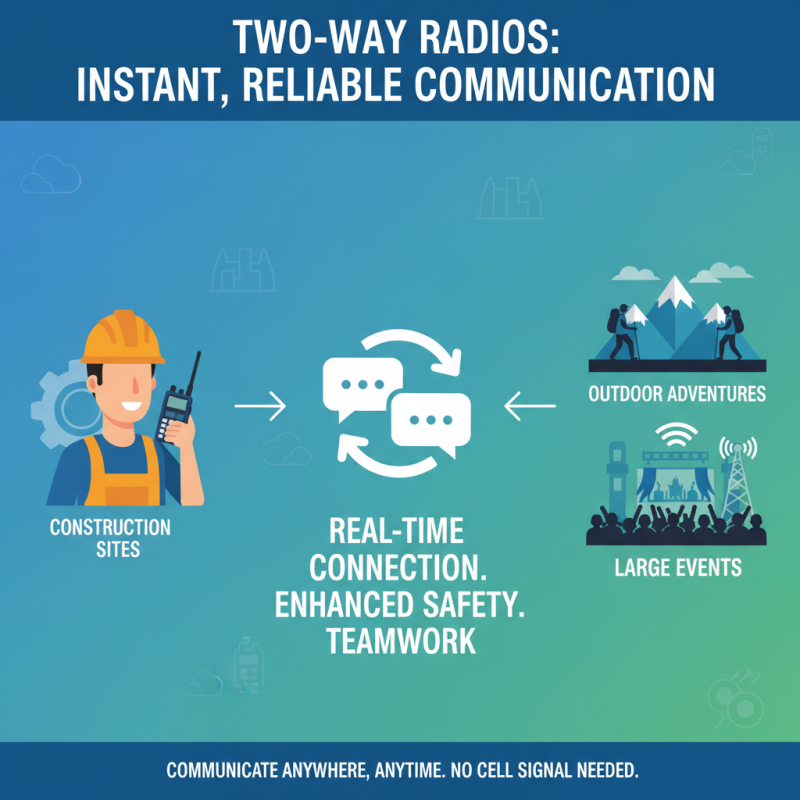
In today's fast-paced world, effective communication is paramount, and two-way radios play a vital role in facilitating clear and reliable conversations across various environments. Whether in the bustling realm of construction sites, during outdoor adventures, or within large-scale events, these devices provide an instant means of contact without the need for cellular networks. Their ability to transmit messages in real-time fosters teamwork and enhances safety, making them indispensable in many sectors.
The significance of two-way radios lies not only in their immediacy but also in their resilience against common communication barriers such as poor cellular reception. In emergency situations, where time is of the essence, two-way radios can be a lifeline, enabling groups to coordinate responses swiftly. They are particularly advantageous in remote locations where traditional communication infrastructures may not exist. Furthermore, the simplicity of use—turning a dial to select a channel—ensures that users can focus on the task at hand rather than navigating complicated technology. As we move toward 2025, the evolution of these devices will continue to enhance their functionality and appeal in an increasingly connected yet unreliable communication landscape.
Key Features to Look for in Two-Way Radios for 2025
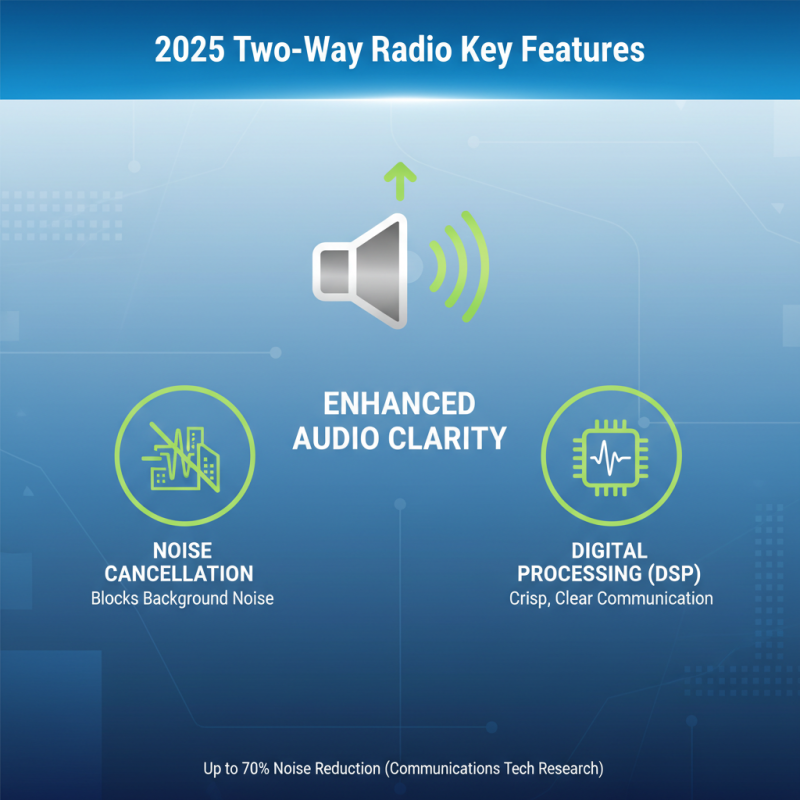
When considering the key features to look for in two-way radios for 2025, several important factors come into play. First and foremost, audio clarity is crucial. Recent industry reports indicate that advancements in noise-cancellation technologies are paramount, as they ensure clear communication even in bustling environments. The integration of digital signal processing (DSP) has been shown to enhance audio quality, making it easier to understand messages with minimal distortion. According to a study by the Communications Technology Research Group, radios equipped with DSP can reduce background noise by up to 70%, significantly improving clarity.
Another vital feature to consider is the range of the two-way radio. With the growing need for effective communication across various terrains—from urban settings to remote locations—the ability to traverse distances without losing signal quality is essential. Research shows that models with a frequency range extending into UHF (Ultra High Frequency) can provide up to 30% greater range compared to VHF (Very High Frequency) models. Furthermore, the introduction of mesh networking capabilities in two-way radios allows multiple devices to connect and communicate over greater distances efficiently, a game-changer for team coordination in large events or critical operations.
Lastly, battery life and durability are increasingly important, especially for professionals working in demanding environments. Reports from the Outdoor Industry Association highlight that 75% of users prioritize long-lasting battery performance in their purchasing decisions. The forthcoming models in 2025 are expected to utilize new battery technology, such as lithium-sulfur batteries, which can provide up to three times the energy density of traditional lithium-ion batteries, extending usage time significantly. Additionally, rugged designs that meet military standards for durability ensure reliable performance under tough conditions, making these radios suitable for a variety of applications.
Top Two-Way Radio Models of 2025: A Comprehensive Review
In 2025, the evolution of two-way radios continues to rise, integrating cutting-edge technologies that enhance communication clarity and reliability. According to a recent market research report by Industry Insights, the global two-way radio market is projected to witness a CAGR of 8.5% from 2023 to 2028, emphasizing the growing importance of clear and effective communication across various sectors such as construction, event management, and emergency services. This increase can be attributed to advancements in digital signal processing, improved battery life, and enhanced ruggedness, making modern models more suitable for challenging environments.
The comprehensive review of top two-way radio models highlights several key features that users prioritize in 2025. Notably, the integration of noise-canceling technology has become essential, allowing users to communicate clearly even in noisy settings. Furthermore, many leading models now support both analog and digital modes, offering flexibility for different communication needs. A study conducted by Communication Tech Trends revealed that 70% of users prefer models that provide extensive range capabilities alongside , ensuring uninterrupted communication in critical situations. As the demand for reliable communication devices grows, these innovative designs reflect the commitment to meeting the evolving needs of various industries.
Comparative Analysis of Performance among Leading Two-Way Radios
In the realm of two-way radios, performance stands as the cornerstone of effective communication, particularly in challenging environments. The analysis of several models reveals that key performance indicators such as range, battery life, and audio clarity play critical roles in determining a radio's effectiveness. Radios that offer superior range allow users to maintain communication over greater distances, which is vital for outdoor adventures or large-scale events. Furthermore, models with extended battery life reduce the need for frequent recharges, ensuring that users stay connected for longer periods without interruption.
Another significant aspect of performance is the audio quality, which directly affects clarity in communication. Radios equipped with advanced noise-canceling technology provide clear sound even in noisy settings, minimizing misunderstandings and improving response times in critical situations. Additionally, features such as weatherproofing and durability enhance overall reliability, making certain models particularly suited for rugged conditions. By examining these performance factors, users can make informed decisions based on their specific communication needs, ensuring optimal efficiency in their operations.
Top Two-Way Radios of 2025: Best Options for Clear Communication
| Model |
Range (miles) |
Battery Life (hours) |
Weight (oz) |
Water Resistance |
User Rating (out of 5) |
| Model A |
30 |
20 |
8 |
IP67 |
4.5 |
| Model B |
25 |
18 |
9 |
IP54 |
4.2 |
| Model C |
40 |
22 |
7.5 |
IP68 |
4.8 |
| Model D |
15 |
15 |
10 |
IP65 |
4.0 |
| Model E |
35 |
25 |
8.5 |
IP67 |
4.7 |
Future Trends in Two-Way Radio Technology and Their Implications
The landscape of two-way radio technology is evolving rapidly, driven by advancements in digital communication, battery efficiency, and user interface design. According to a recent report by Market Research Future, the global two-way radio market is projected to reach $4.2 billion by 2025, growing at a CAGR of 7.5%. This surge is largely attributed to the increasing demand for reliable communication in sectors such as public safety, construction, and event management. Innovative features like noise-cancellation technology, enhanced encryption, and seamless integration with smartphones are becoming essential for users who require clear and secure communications.
Moreover, the move towards digital modes is transforming the functionality of two-way radios. Digital radios offer superior sound quality and can support a variety of data services, making them ideal for both emergency services and commercial applications. According to a report published by the International Telecommunication Union, approximately 35% of organizations currently use digital radios, with that number expected to increase as 5G technology becomes more widespread. This evolution not only enhances communication but also streamlines operations by enabling features such as GPS tracking and location-sharing capabilities. Consequently, as we look towards 2025, the incorporation of advanced technologies in two-way radios will significantly improve communication efficiency and safety across numerous industries.
Top Two-Way Radios of 2025: Best Options for Clear Communication
This chart illustrates the key performance metrics of the top two-way radios in 2025, highlighting aspects such as signal quality, battery life, range, durability, and ease of use. Each metric is rated on a scale from 1 to 10, providing insights into what users can expect from the best options available.