What Are Two-Way Radios and How Do They Work? A Complete Guide
In the modern communication landscape, Two-Way Radios have emerged as vital tools for seamless interaction, especially in environments where instant connectivity is paramount. Renowned communication expert, Dr. Emily Carter, emphasizes the importance of these devices, stating, "Two-Way Radios offer a unique blend of reliability and efficiency that is essential for effective communication in various industries." This underscores the significance of understanding how Two-Way Radios function and their practical applications.
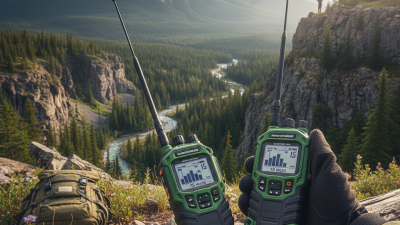
Two-Way Radios operate on a simple yet effective principle: they allow users to transmit and receive voice messages on the same device, facilitating real-time dialogue. This functionality is not only beneficial for professional settings such as construction sites or emergency services but also enhances recreational activities like outdoor adventures. The increasing adoption of Two-Way Radios stems from their ability to bridge communication gaps where traditional cell phones may fail, particularly in remote areas or during emergencies.
As we delve into the world of Two-Way Radios, we will explore their operational mechanisms, key features, and various models available on the market. Understanding these aspects will equip users with the knowledge to select the right Two-Way Radio for their specific needs, ensuring efficient and effective communication in any situation.
What Are Two-Way Radios? Understanding the Basics
Two-way radios, commonly known as walkie-talkies, are communication devices that allow users to send and receive messages in real-time without the need for cellular networks. These radios operate on radio frequency waves, utilizing a transmitter to convert audio signals into electromagnetic waves, which are then received by another unit equipped with a receiver. Two-way radios function on a push-to-talk basis, meaning users must press a button to speak and release it to listen. This simplicity and efficiency make them essential tools in various sectors, including transportation, construction, and emergency services. According to a recent report by Grand View Research, the global two-way radio market is expected to reach $29.79 billion by 2026, highlighting the growing dependence on such reliable communication systems, especially in areas with limited cellular coverage.
One of the significant advantages of two-way radios is their ability to facilitate instant communication over long distances, often ranging from several miles to over 25 miles depending on the terrain and frequency band used. This feature is vital in industries where immediate communication can enhance safety and productivity. Additionally, two-way radios can often operate in diverse environments, from urban landscapes to remote locations, making them versatile tools for various applications.
Tips for effective use of two-way radios include maintaining a clear line of sight to minimize interference, ensuring the device is fully charged before use, and utilizing the proper channels to avoid overlapping conversations. Moreover, users should familiarize themselves with basic signaling protocols to enhance communication clarity and efficiency. With ongoing advancements in technology, the reliability and functionality of two-way radios continue to improve, solidifying their place as indispensable communication tools in today’s fast-paced world.
The Technology Behind Two-Way Radios: How They Operate
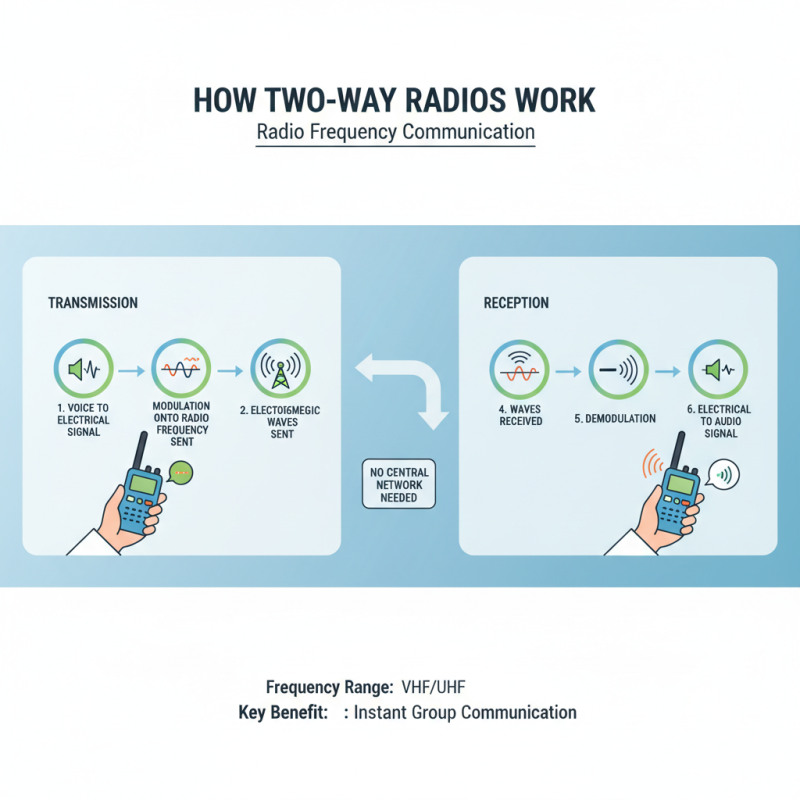
Two-way radios, often known as walkie-talkies, operate through a combination of radio frequency technology and modulation techniques. At their core, these devices use electromagnetic waves to transmit and receive audio signals. When a user speaks into the microphone, their voice is converted into an electrical signal, which is then modulated onto a specific radio frequency. This modulation allows the signal to be sent over distances, enabling communication between two or more units without the need for a centralized network.
The technology behind two-way radios relies on several key components, including transmitters, receivers, and antennas. The transmitter amplifies the modulated signal and sends it through the antenna, which radiates the electromagnetic waves into the surrounding area. The receiving unit captures these waves using its own antenna, which then converts them back into electrical signals. Finally, the audio signal is decoded and played through a speaker, allowing the other user to hear the message clearly. This simple yet effective mechanism allows for real-time communication in various settings, from outdoor adventures to professional environments.
Types of Two-Way Radios: Choosing the Right One for Your Needs
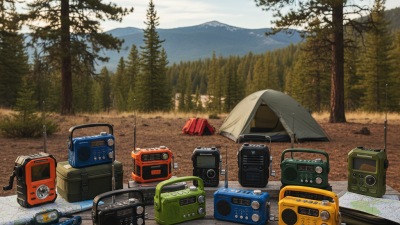
Two-way radios, often referred to as walkie-talkies, are essential communication tools used across various industries, including construction, security, event management, and recreational activities. When choosing the right type of two-way radio, it is important to consider the specific needs of your situation. The most common types include analog radios, digital radios, and hybrid radios, each with distinct features tailored for different applications. According to a report from the International Communication Union (ITU), the global market for two-way radios is projected to grow at a CAGR of 6.2% over the next five years, highlighting their increasing importance in effective communication.
For instance, analog radios are typically more affordable and simpler to use, making them suitable for small teams or casual use. In contrast, digital radios offer enhanced features such as clearer audio quality, increased range, and additional functionalities like GPS and text messaging, which are valuable for larger operations or demanding environments. The latest data from a market research study indicates that digital two-way radios will account for approximately 70% of the market share by 2026, largely due to their superior performance and reliability in diverse settings.
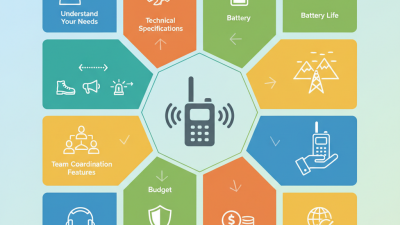
When selecting a two-way radio, it is crucial to assess factors such as range, battery life, and whether the environment necessitates waterproof or rugged designs. Understanding these different types and their associated features will ensure that you make an informed decision that best suits your communication requirements, whether for coordinating large groups at an event or maintaining safety standards in a busy construction zone.
Usage of Two-Way Radios by Industry
Common Uses and Applications of Two-Way Radios in Various Fields
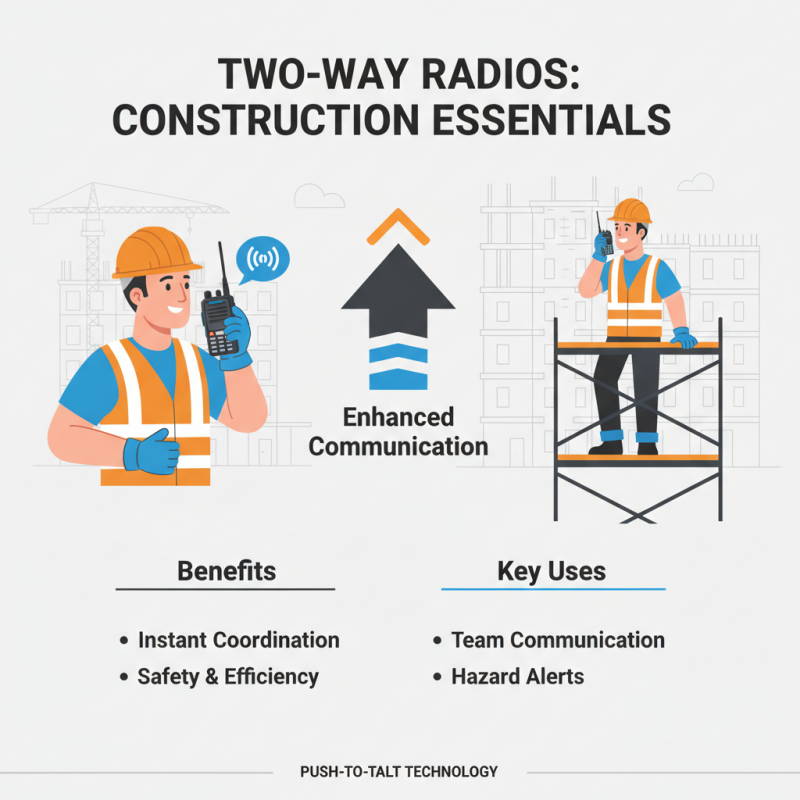
Two-way radios, also known as push-to-talk radios, are essential communication tools across various industries. In construction sites, their reliability allows teams to coordinate activities effectively, ensuring safety and efficiency. Workers can instantly communicate with supervisors and fellow crew members, relaying information about project developments and potential hazards. This real-time communication eliminates delays and enhances responsiveness, vital in fast-paced environments.
In public safety, two-way radios play a crucial role for police, firefighters, and emergency medical teams. They enable seamless communication among team members during critical situations, helping to coordinate response efforts and share vital information quickly. The ability to communicate without relying on cellular networks is particularly important in remote areas or during emergencies when traditional communication systems might fail. Furthermore, in event management, two-way radios assist staff in managing events smoothly, from coordinating security measures to overseeing logistics, ensuring that any issues can be addressed swiftly.
Key Features to Consider When Selecting Two-Way Radios
When selecting two-way radios, it’s essential to consider several key features to ensure you choose the right model for your needs. First, you must assess the range of communication. Different radios offer various ranges, often influenced by the environment in which they will be used. For instance, open areas allow for longer ranges compared to urban settings where buildings can obstruct signals.
Understanding the typical distance you’ll need to communicate can significantly impact performance.
Another crucial feature to contemplate is battery life. Two-way radios operate on rechargeable batteries or disposable ones, and the longevity of these power sources affects usability. Depending on your intended use—whether for a short event or prolonged activities—selecting a model with sufficient battery life is vital. Additional features like water resistance, noise cancellation, and multiple channels can further enhance the functionality and reliability of the radio.
Evaluating these attributes in the context of your specific requirements can lead to a better choice that meets all your communication needs effectively.