How to Use Ham Radios for Emergency Communication and Hobby Activities?
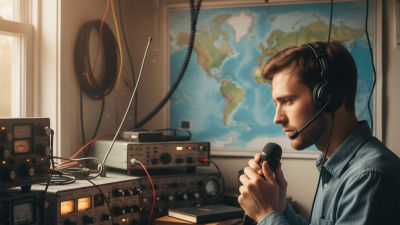
Ham radios are a unique tool for both emergency communication and hobby activities. They provide a reliable way to connect when conventional means fail. In emergencies, these radios can bridge the gap when other forms of communication are unavailable. Imagine being able to reach out for help during a natural disaster. Ham radios can help save lives and bring communities together.
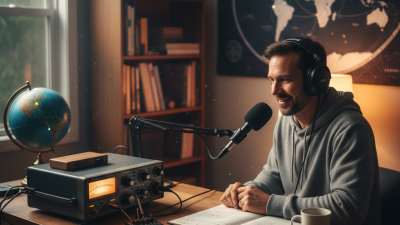
Engaging with ham radios can also be a rewarding hobby. Enthusiasts enjoy building their equipment and connecting with other operators worldwide. The thrill of making contact can be invigorating. Each conversation can lead to lasting friendships. However, it's vital to understand the responsibilities involved. Misuse of ham radios can lead to serious consequences. Operators should commit to continuous learning and ethical practices in their communications.
Yet, using ham radios is not without its challenges. It can be complex to learn, and not everyone will succeed immediately. It takes patience and practice. There will be moments of frustration. But the journey can truly enrich your life. Discovering how to navigate these challenges makes the experience worthwhile. Ham radios are more than just a tool; they are a gateway to connection, creativity, and community.
Understanding Ham Radios: Basics and Equipment Needed
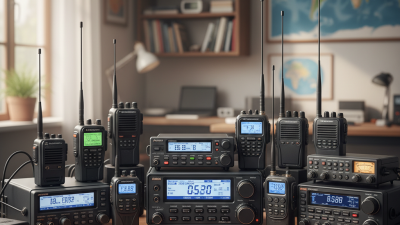
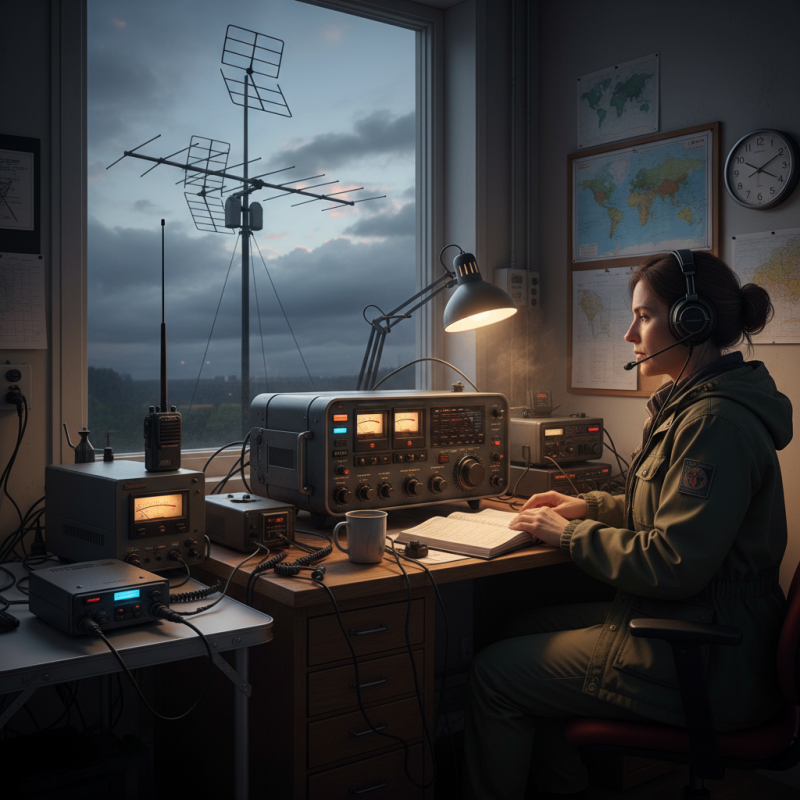
Ham radios, also known as amateur radios, are an essential tool for communication. They operate on different frequencies and enable users to connect over long distances. Basic equipment includes a transceiver, an antenna, and a power supply. It’s fascinating to see how these components work together. The transceiver sends and receives signals, while the antenna helps transmit those signals effectively. A simple setup can range from affordable to expensive, depending on the features you want.
Understanding frequencies is crucial. Ham radios operate across various bands, such as HF, VHF, and UHF. Each band has its characteristics and uses. Beginners often start with VHF or UHF. These bands offer clear transmissions and are ideal for local communications. However, HF bands can reach global distances. Choosing the right band can be challenging. Experimenting helps users find what works best for their needs. Some might struggle to grasp technical aspects, and that’s okay. It takes time and practice.
Consider joining a local ham radio club. This can provide priceless guidance and support. Networking with experienced operators can be immensely helpful. They may offer tips on equipment choices and operating techniques. Remember, learning is a journey. Mistakes will happen, but each one offers a lesson. The more you engage with the ham radio community, the richer your experience will be.
How to Use Ham Radios for Emergency Communication and Hobby Activities
| Feature |
Description |
Equipment Needed |
| Emergency Communication |
Ham radios can be critical in emergencies when traditional methods fail. |
Transceiver, power supply, antenna. |
| Hobby Activities |
Engage in conversations with amateurs worldwide, participate in contests, and more. |
HF/VHF/UHF radios, headphones, microphone. |
| Types of Communication |
Voice, text (digital modes), image, and satellite communication. |
Digital interface, satellite equipment. |
| Licensing Requirements |
Operators must obtain a license to transmit on amateur radio frequencies. |
Study materials, licensing exam. |
| Basic Maintenance |
Regular checks on equipment and antennas to ensure optimal performance. |
Multimeter, tools for alignment. |
Setting Up Your Ham Radio Station: Step-by-Step Guide
Setting up your ham radio station is vital for effective emergency communication and enjoyable hobby activities. Start with a solid understanding of equipment. A typical station includes a transceiver, antenna, power supply, and a basic microphone. Research shows that 75% of successful operators emphasize the importance of proper antennas. Simple dipole antennas or verticals can be made at home with minimal costs.
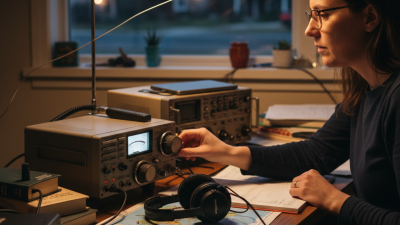
When assembling your station, prioritize a quiet space away from electronic interference. Choose a sturdy table and comfortable chair. You want to feel at ease during long communication sessions. Keep your setup organized—label wires and store tools in a dedicated box. A clutter-free environment saves time and reduces stress.
Tips: Regularly check your equipment. Dust can accumulate, causing performance issues. Also, practice regularly with varied frequencies. It’s helpful to keep a journal of your communications. Unforeseen issues can arise. Don’t hesitate to adjust your equipment based on your experience. Remember, 30% of ham radio operations face challenges due to poor planning. Reflect on your setup often; continuous improvement is key.
Emergency Preparedness: Using Ham Radios in Crisis Situations
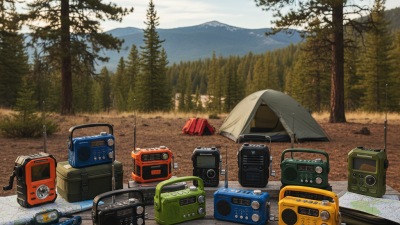
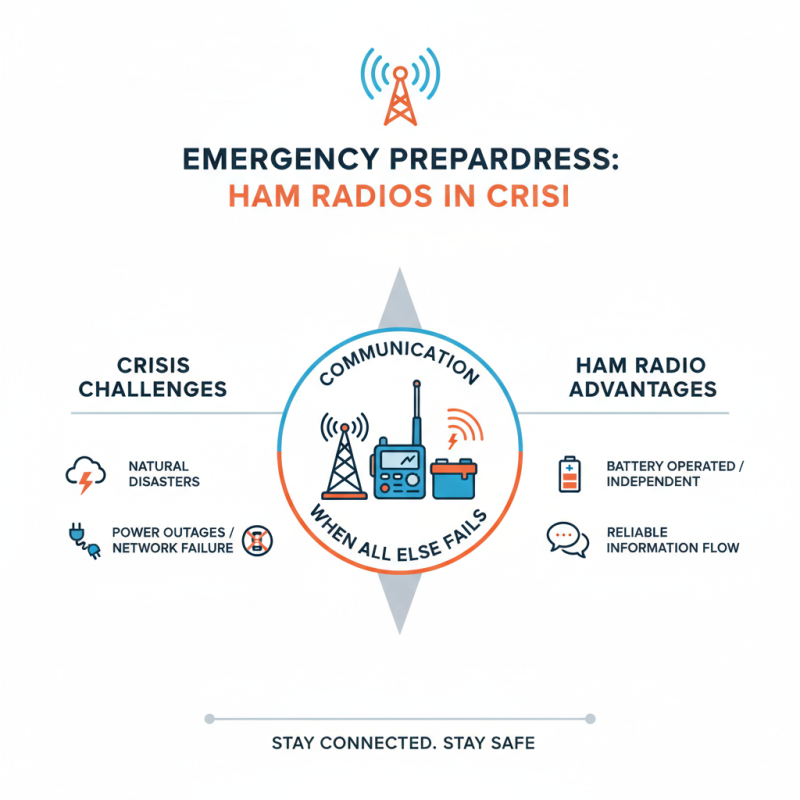
Ham radios can be a vital asset during emergencies. In crises like natural disasters, traditional communication may fail. Power outages can disable cell networks. Here, ham radios shine. They can operate on battery power, ensuring vital information flows.
Setting up a ham radio requires some training. Many enthusiasts join local clubs for hands-on experience. This community aspect can be comforting. However, not all users are prepared. They might struggle with equipment or protocols. It’s essential to practice and refine your skills before an emergency arises. The last thing you want is to fumble during a crisis.
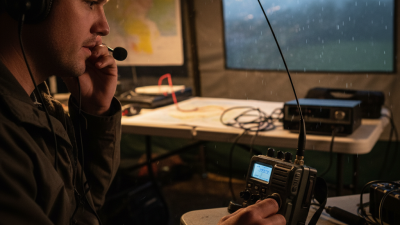
During an emergency, situational awareness is key. You should listen to local frequencies to gather information. This can guide your actions and decisions. Sometimes, messages may not come through clearly. In these moments, patience is crucial. Each message sent can make a difference. Even a small update can help coordinate responses or share resources.
Enhancing Skills: Best Practices for Ham Radio Operators
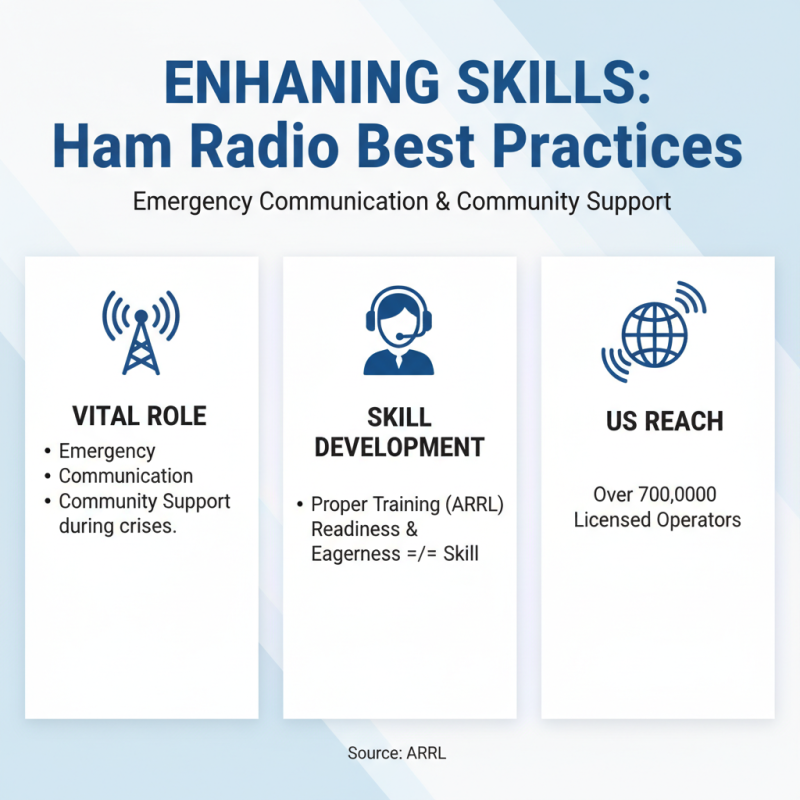
Ham radio operators play a vital role in emergency communication. Proper training enhances their skills significantly. The ARRL states that over 700,000 licensed operators are in the United States. Many are eager to support their communities during crises. This eagerness can be beneficial, but it also requires skills.
Understanding equipment is crucial. Operators should know their radios inside and out. Many make the mistake of skipping technical details. Basic functions, such as adjusting frequencies or understanding different modes, should be second nature. The more comfortable an operator is with their gear, the more effective they will be in emergencies.
Moreover, participating in drills is essential. Realistic practice helps operators respond better. However, not all operators engage in regular training. According to reports, only 30% participate in emergency preparedness exercises. This lack can lead to chaotic situations when it truly counts. Operators must reflect on their preparedness levels continuously. Engaging with local clubs offers new insights and shared experiences. Not all operators are aware of the vast resources available to them. These practices collectively prepare operators for both hobby activities and critical situations.
Engaging in Community: Joining Ham Radio Clubs and Activities
Joining a ham radio club can be a rewarding experience. Community involvement is a vital part of the ham radio hobby. Clubs provide a platform for enthusiasts to connect and share knowledge. Members interact regularly, often through organized meetings. Discussions can range from technical topics to recent local events.
Participating in club activities can be challenging. Some members may have more experience, which can feel intimidating. However, everyone starts somewhere. The atmosphere is generally welcoming. Beginners often find mentors willing to help. Engaging in group projects or field days can build confidence. These activities can also enhance technical skills.
Community events offer a chance to practice emergency communication. During drills, members simulate real-life scenarios. These exercises can reveal weaknesses in individual skills. It's essential to reflect on these experiences. Overcoming these challenges can lead to personal growth. The friendships formed in clubs can last a lifetime. These connections often extend beyond radio operations.
Ham Radios Usage in Emergency Communication and Hobby Activities