How to Get Started with Ham and Radio for Beginners?
Exploring the world of Ham and Radio can be incredibly rewarding for beginners. This fascinating hobby allows you to communicate across vast distances, making connections that can last a lifetime. Whether you are interested in technical aspects or enjoying casual conversations, Ham and Radio offer something for everyone.
Getting started may feel overwhelming. The terms and technology can seem daunting at first. However, with a bit of patience and a willingness to learn, you can navigate this exciting realm. In this guide, we'll break down the essential steps to kick-start your journey. We’ll touch on equipment choices, licensing requirements, and best practices for connecting with fellow enthusiasts.
As you embark on this adventure, expect challenges. Not every endeavor will go as planned. You may face difficulties understanding equipment or even passing your amateur radio exam. Yet, each setback provides a chance for growth. Embrace these moments, and let them fuel your passion for Ham and Radio. Remember, every expert was once a beginner.

Understanding the Basics of Ham Radio: Terminology and Frequencies
Ham radio is a fascinating hobby that combines communication, technology, and community. It allows enthusiasts to connect with others across the globe using various frequencies. Understanding the core terminology and frequencies is vital for beginners. Terms like "transceiver," "QSL," and "band" are essential in ham radio conversations. A transceiver is a device that can both send and receive signals. QSL refers to sending a confirmation card after a communication. "Band" describes a specific frequency range on which operators can communicate.
When starting, familiarize yourself with the frequency spectrum. Ham radio bands range from HF (high frequency) to UHF (ultra high frequency). Each band has unique characteristics and uses. For instance, HF bands are ideal for long-distance communication, while VHF bands work well for local contacts. While navigating the bands, it's common to feel overwhelmed. There are countless stations and modes to explore. Some may struggle with finding the right frequencies. However, with practice, this challenge becomes part of the learning process.
Operators should also remember to respect band plans and protocols. Each country has specific rules about frequency use. Understanding these helps in complying with local regulations. Mistakes are inevitable when starting, and they offer valuable learning opportunities. The more you experiment and connect, the more confident you'll become in your ham radio journey. Embrace the learning curve and enjoy the journey ahead.
Choosing the Right Equipment: Essential Gear for Beginners in Ham Radio
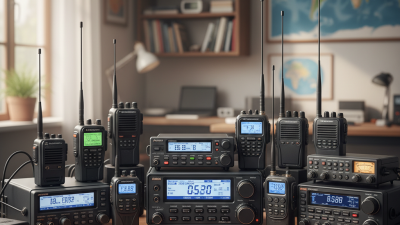
Getting started with ham radio requires thoughtful equipment selection. Beginners often feel overwhelmed by choices. A basic setup typically includes a transceiver, antenna, and power supply. Research shows that around 40% of new operators abandon the hobby within their first year. This highlights the importance of choosing the right gear early on.
Consider investing in a dual-band transceiver, which covers both VHF and UHF bands. This allows operators to engage in a diverse range of communications. Antennas can significantly impact performance too. A well-chosen vertical or dipole antenna can increase reception and transmission quality. According to the American Radio Relay League (ARRL), nearly 60% of successful operations are linked to effective antenna systems.
Planning for future needs is crucial. Many beginners buy basic equipment without considering upgrades. Flexible systems can save money in the long run. Engage with local ham clubs or online communities for advice. These connections often provide insights into selecting gear that fits individual needs and budget constraints. Remember, not all gear is equally reliable, and some may require frequent maintenance.
Getting Licensed: Steps to Obtain Your Ham Radio Operator License
Getting a ham radio operator license is a crucial step for anyone interested in amateur radio. According to the American Radio Relay League (ARRL), around 800,000 amateur radio operators are currently licensed in the United States. This hobby not only allows for communication over long distances but also provides skills that can be vital during emergencies.
To start the licensing process, familiarize yourself with the different license classes. There are three levels: Technician, General, and Extra. Each class requires passing an exam that tests various knowledge about radio technology and regulations. The Technician class is often the most sought after due to its accessibility. Its exam covers basic electronics, regulations, and operation procedures.
**Tip:** Join local amateur radio clubs. These clubs often provide resources and training sessions that can help you prepare for the exam. Network with experienced operators who can guide you through the learning process.
Applying for a license can seem daunting. The Federal Communications Commission (FCC) requires a form called the Form 605. This step might feel overwhelming, but take it slow. Mistakes can happen. Ensure that your application is complete and correct to avoid delays.
**Tip:** Review practice exams online. They can provide insight into the types of questions you'll encounter. This practice can help reduce anxiety and increase your confidence before taking the official test.
Exploring Communication Modes: Voice, Digital, and Morse Code Techniques
Ham radio offers several exciting communication modes for beginners. Voice communication is the most common technique. Using simple equipment, you can talk to people around the world. This method feels immediate and personal. Connecting with someone while discussing shared interests can be rewarding. However, voice can sometimes be noisy or chaotic. You may need patience to find clear channels.
Digital modes are another intriguing option. They allow for text-based communication. Many beginners enjoy using software to send messages. Programs like FT8 or PSK31 serve well for this. They can handle weak signals, opening up global conversations. Yet, the learning curve can be steep. You might encounter technical glitches or connection issues.
Morse code is a classic method that still holds value today. Learning the dots and dashes can be challenging but gratifying. It provides a sense of accomplishment. Many enthusiasts appreciate its simplicity and efficiency. However, mastering Morse takes practice. Initial frustrations are common, yet perseverance is key. Embrace the learning journey and enjoy each small success.
How to Get Started with Ham and Radio for Beginners?
| Communication Mode |
Description |
Equipment Needed |
Difficulty Level |
| Voice (FM/SSB) |
Real-time voice communication, popular for casual chats and emergency communication. |
Transceiver, microphone, headphones, antenna. |
Easy |
| Digital Modes (PSK31, FT8) |
Data communication using computers and software, allows for weak signal transmission. |
Transceiver, computer, sound card interface, software. |
Moderate |
| Morse Code (CW) |
Keyed transmission that allows for very efficient long-distance communication, especially in low-signal conditions. |
Transceiver, morse key or keyer. |
Difficult |
Joining the Ham Community: Finding Clubs and Resources for New Operators
Joining the ham community is a crucial step for new operators. Many local clubs welcome beginners. These clubs offer support, resources, and training. You can learn practical skills and gain confidence through hands-on experience. They often hold meetings, where members share knowledge and ideas. Connecting with experienced operators can be inspiring.
Finding resources online is another valuable option. Many websites provide forums and learning materials. You can explore different areas in ham radio, such as digital modes or emergency communication. However, not all information is reliable. Look for well-established websites and seek advice from experienced members. Community events, like field days, allow you to practice what you’ve learned. Participation can be nerve-wracking but rewarding.
Consider joining a local radio club. This allows you to meet fellow ham enthusiasts. It’s a space where you can ask questions without judgment. Everyone starts somewhere, and sharing experiences can help you grow. Take your time exploring. Avoid rushing into obtaining your license. Embrace the journey, as the community is here to support you.
Getting Started with Ham Radio: Club Membership and Resources