What Are Gmrs Frequencies and How Can They Benefit You?
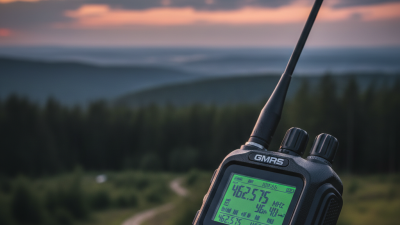
GMRS frequencies are essential in modern communication, particularly for personal and business use. General Mobile Radio Service (GMRS) operates on specific frequency bands, allowing users to communicate over longer distances than standard walkie-talkies. According to the Federal Communications Commission (FCC), GMRS operates on frequencies ranging from 462.550 MHz to 467.725 MHz. This allows for greater range and improved clarity.
Accurate utilization of GMRS frequencies can increase situational awareness in various environments, such as outdoor activities, events, and emergency scenarios. A report by the National Telecommunications and Information Administration found that organizations using GMRS improved their communication efficiency by up to 30%. Despite these benefits, some users overlook GMRS due to licensing requirements. This aspect creates a barrier for many potential users who want to harness its capabilities.
Understanding GMRS frequencies is crucial for effective communication. Users should weigh the pros and cons of GMRS against their needs. This reflection can lead to better decision-making. Maximizing the potential of GMRS frequencies can revolutionize personal and professional communication strategies, offering reliability and efficiency in various situations.
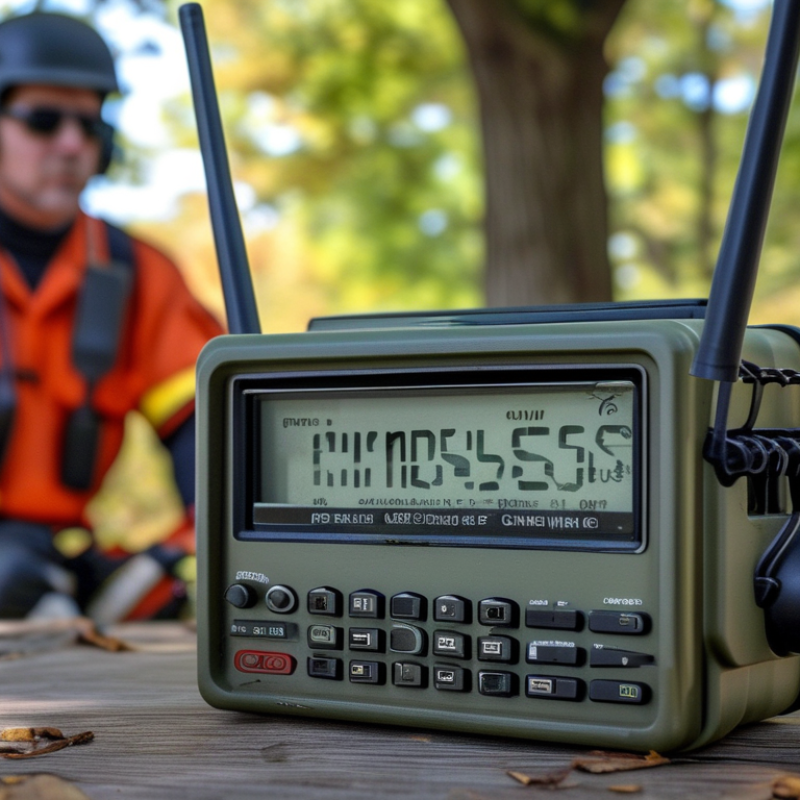
Understanding GMRS Frequencies: An Overview
GMRS, or General Mobile Radio Service, operates on specific frequencies in the UHF band, typically from 462.550 MHz to 467.725 MHz. This frequency range allows for greater communication capabilities compared to FRS (Family Radio Service). According to the FCC, GMRS can support more powerful signals, offering a distance advantage for users. General usage includes personal, recreational, and safety communications.
The technology behind GMRS provides more than just a means of communication. Studies indicate that GMRS frequencies can penetrate obstacles better than other radio communication systems. This is crucial in emergencies when reliable communication is vital. For instance, the average range of GMRS handheld radios can extend up to 50 miles in ideal conditions, while terrain and interference often factor into actual performance. Such capabilities make GMRS suitable for outdoor activities, from hiking to camping.
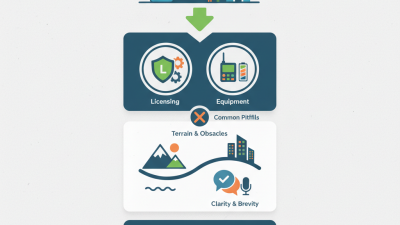
While GMRS is beneficial, it comes with limitations. Licensing is required for lawful use, which can be a hurdle for some users. Additionally, the choice of radios varies widely, and not all models utilize the GMRS frequencies effectively. Users may find themselves needing to invest time in research to select a reliable device. Understanding these nuances can enhance your experience with GMRS frequencies, providing both advantages and challenges.
The Technical Specifications of GMRS Frequencies
GMRS frequencies are specifically designed for two-way radio communication. These frequencies cover a range from 462.550 MHz to 467.725 MHz. The channels can support various power levels, offering flexible communication options. GMRS can use up to 50 watts of power, enabling greater distances compared to other radio services. This strength is ideal for outdoor enthusiasts seeking reliable communication in remote areas.
Understanding the technical specifications is crucial. GMRS radios have a limited range, usually between 1 to 5 miles. However, in open environments, distances can reach up to 20 miles. Users must have a GMRS license to operate these radios legally. This requirement ensures that operators are familiar with the frequencies and cannot interfere with emergency services.
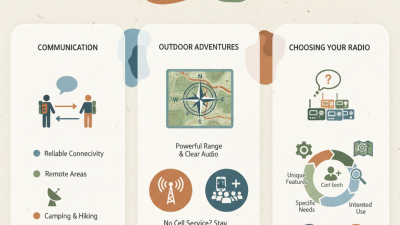
Many users appreciate the clarity GMRS provides. The ability to communicate without cell service is invaluable during outdoor adventures. Yet, relying solely on GMRS also raises concerns. Not everyone is familiar with its use, which may lead to communication breakdowns. Users should practice using their equipment to build confidence. This experience is essential, as being unprepared can hinder effective communication in critical situations.
What Are Gmrs Frequencies and How Can They Benefit You?
| Frequency Range (MHz) |
Channel Number |
Max Output Power (Watts) |
Typical Range (Miles) |
Usage Scenario |
| 462.550 - 462.725 |
1-7 |
50 |
5-20 |
Backpacking, Boating |
| 462.550 - 462.725 |
8-14 |
50 |
5-20 |
Hiking, Camping |
| 467.550 - 467.725 |
15-22 |
50 |
5-20 |
Family Communication |
| 462.675 |
23 |
50 |
5-20 |
Event Coordination |
| 462.725 |
24 |
50 |
5-20 |
Worksites |
Advantages of Using GMRS Frequencies for Communication
GMRS frequencies offer distinct advantages for effective communication. They operate in the UHF band, enabling clear transmission over moderate distances. This makes them ideal for outdoor activities like hiking or camping. Families can stay connected during trips, even in remote areas. In such environments, traditional cell signals may fail, but GMRS radios maintain reliable communication.
Using GMRS frequencies also supports group coordination. When organizing events or emergency situations, instant communication is crucial. It enhances teamwork among participants. GMRS provides a channelized approach, reducing interference from other users. However, it's important to observe local regulations regarding GMRS usage. Misunderstandings about compliance can lead to disruptions.
In practical scenarios, GMRS radios deliver flexibility. They can connect instantly without the delays of cellular networks. Emergency responders benefit significantly from this reliability. Nonetheless, potential users may overlook the need for proper licensing. Ignoring this can affect the overall communication efficiency. Awareness and preparation can ultimately enhance the benefits of GMRS frequencies.
Regulations and Licensing Requirements for GMRS Users
When considering GMRS frequencies, understanding their regulations and licensing requirements is crucial. GMRS, or General Mobile Radio Service, allows users to communicate over greater distances. However, it mandates specific licensing under the Federal Communications Commission (FCC) in the United States. A GMRS license is necessary for operation, and it costs approximately $70. This license is valid for ten years and covers an entire family.
Compliance with GMRS regulations ensures users operate within legally designated frequencies, typically from 462.550 to 467.725 MHz. Data from industry reports suggest that nearly 90% of GMRS users value licensure for legal protection and reliable communication. Without a license, individuals face potential fines and interference with emergency services.
Moreover, GMRS requires users to adhere to power limits and operates under specific technical standards. Although providing a wider range compared to other services, some operators underestimate the importance of proper equipment and understanding of these regulations. Continuous education about GMRS rules can enhance user experience and effectiveness. Lack of awareness can lead to inefficiencies and potential legal repercussions.
Practical Applications of GMRS Frequencies in Daily Life
GMRS (General Mobile Radio Service) frequencies offer practical applications that can enhance daily life. These frequencies range from 462.550 MHz to 467.725 MHz, allowing users to communicate over several miles under optimal conditions. A report from the Federal Communications Commission indicates that GMRS radios provide reliable, short-distance communication without the need for cellular service. This makes them ideal for outdoor enthusiasts, neighborhood groups, and families.
In daily scenarios, GMRS frequencies can be particularly beneficial for emergency preparedness. For instance, during a natural disaster, when cell networks may fail, GMRS radios can keep communities connected. A study from the National Association of State 911 Administrators highlights that effective communication can reduce response times by up to 30%. Likewise, GMRS radios are advantageous for group activities, such as camping or hiking. Families can stay in touch while exploring remote areas without relying on smartphones.
However, using GMRS has its challenges. Users are required to obtain a license, which can deter some from taking advantage of this technology. Additionally, interference from other devices or improper usage can lead to connectivity issues. Still, with proper education and understanding of GMRS regulations, users can maximize the effectiveness of these frequencies. This highlights the need for continued learning in technology usage and communication practices.
GMRS Frequencies Usage in Different Scenarios