Top Two-Way Radios for 2026 What Should Buyers Consider?
In today's fast-paced world, effective communication is crucial. Two-way radios have emerged as essential tools for various sectors, including outdoor activities, emergency services, and event management. As we approach 2026, potential buyers face an overwhelming array of options. It is vital to understand the features that define the best two-way radios.
When selecting two-way radios, buyers should consider factors like range, battery life, and durability. These elements vary significantly among models. Users also need to reflect on their specific needs. A hiker may require different features than a construction worker. Price and brand reliability further complicate decision-making.
Potential buyers often overlook user feedback. Real-world experiences can uncover strengths and weaknesses. Being aware of these insights is important, yet many rush through the research process. Ultimately, a well-informed choice can enhance safety and efficiency, ensuring that two-way radios serve their purpose effectively.
Top Two-Way Radios for 2026: Key Features Buyers Should Prioritize
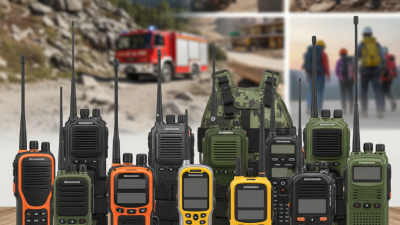
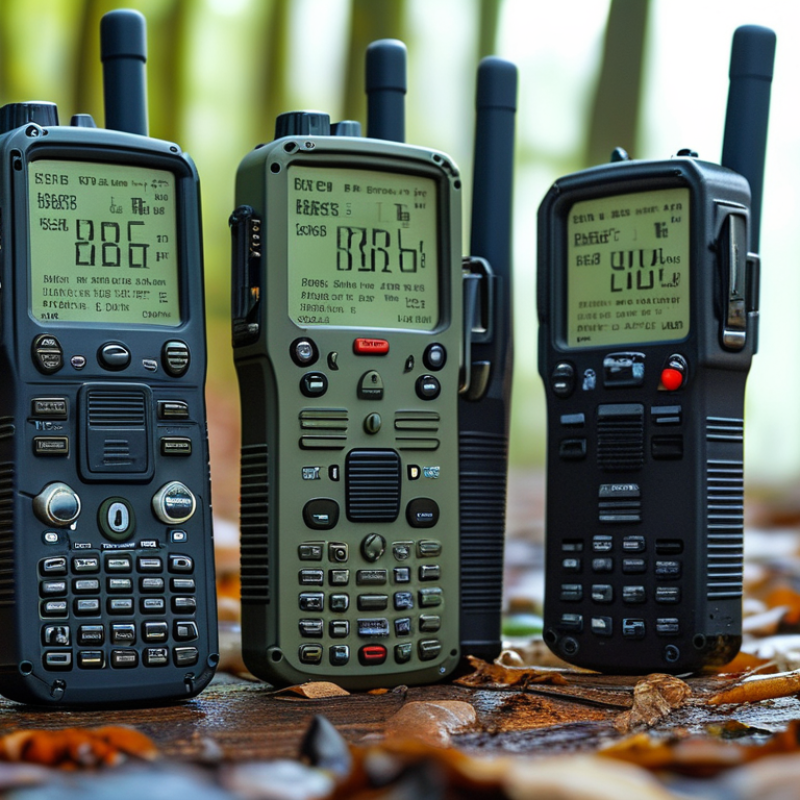
When selecting two-way radios for 2026, buyers should focus on essential features. Durability is a key aspect. Look for models that withstand extreme weather conditions and rough handling. A radio's battery life is equally important. Long-lasting battery performance ensures reliable communication during outdoor activities.
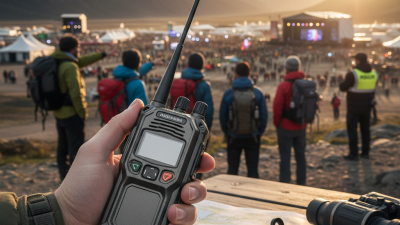
Range is another critical factor. Depending on your needs, consider radios that offer extended coverage. This is essential for large areas, especially in outdoor events. Features like noise cancellation enhance clarity. Crystal-clear sound can make a difference in critical communication moments.
Waterproofing might be overlooked, but it can prevent costly damage. Users may sometimes underestimate this feature. Today’s radios should be lightweight for easy transport. Compact designs enhance practicality, especially for long-term use. Buyers need to assess user reviews for real-world performance. What may seem perfect on paper can fall short in practice. Flexibility and adaptability in features are vital for varying environments.
Understanding Frequency Types: UHF vs VHF in Two-Way Radios
When choosing a two-way radio, the frequency type is crucial. The two main types are UHF (Ultra High Frequency) and VHF (Very High Frequency). UHF radios operate between 400 and 512 MHz. They are ideal for urban environments. The shorter wavelength allows for better penetration through buildings and obstacles.
VHF radios range from 30 to 300 MHz. They excel in open areas and are known for their longer range. However, they may struggle in densely built spaces. Individual needs often dictate the choice. A construction site might favor UHF due to frequent barriers. On the other hand, a sailing team could find VHF more effective on open water.
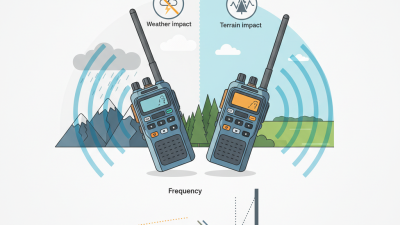
Understanding the limitations of each type is essential. UHF may face interference in crowded areas. VHF can lose signal more easily when traversing hilly terrains. Buyers should consider the environment where they will use the radios. It’s wise to test both frequencies if possible before making a choice. An informed decision not only enhances communication but also ensures safety in critical situations.
Battery Life Expectations: Evaluating Performance and Sustainability
When choosing two-way radios, battery life is a crucial factor. Users often expect long-lasting power, especially in critical situations. A reliable radio should support extended use without frequent recharging. This is vital for outdoor activities, construction sites, or emergency responses.
Performance and sustainability go hand in hand. Many models now utilize lithium-ion batteries. These are lightweight and energy-efficient, yet they can degrade over time. After several charge cycles, performance may drop significantly. It's essential to consider how often you’ll recharge and replace batteries. Some users report dissatisfaction with battery longevity after just a year of use.
Sustainability is becoming increasingly important. Models with replaceable batteries offer an edge. They can minimize electronic waste and reduce environmental impact. However, not every brand prioritizes eco-friendly solutions. Users should research reviews and specifications carefully. Understanding the trade-offs between power performance and environmental responsibility can lead to better choices. It's a complex decision with many layers to explore.
Durability and Water Resistance Ratings: Industry Standards to Consider
When considering two-way radios for 2026, durability and water resistance play essential roles. Industry standards, such as IP ratings, provide critical data. The IP67 rating indicates complete protection against dust and can withstand immersion in water up to one meter deep for 30 minutes. This level of resistance is crucial for outdoor use.
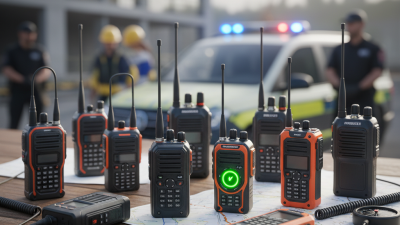
Another point to note is the material used in the radio's construction. Many units are made with reinforced plastics or rubberized exteriors. This enhances their ability to withstand drops and impacts, which is vital for field operations. The Military Standard 810G further strengthens this reliability, specifying tests for temperature, humidity, and shock resistance.
Despite these standards, not all units perform equally. Buyers should check reviews and field tests to determine real-world performance. Continuous advancements in technology also mean that what is considered durable today may not hold up in the future. It’s important to stay informed about evolving standards and user feedback. Being aware of these factors enables a more informed decision when selecting two-way radios.
The Role of Digital Signal Processing in Modern Two-Way Radios
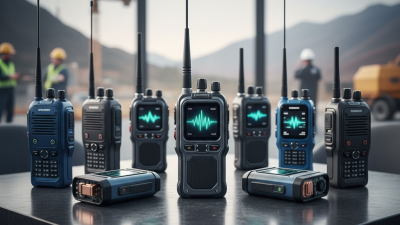
Digital Signal Processing (DSP) is vital in modern two-way radios. DSP enhances audio clarity, making communication smoother. This technology minimizes background noise and optimizes voice transmission. Users can hear each other clearly, even in noisy environments. For those working in construction or events, this capability is essential.
Consider this when purchasing: DSP features can vary. Some radios have advanced noise-canceling capabilities. Others might focus solely on basic audio enhancement. Determine your specific needs before making a choice.
When using two-way radios, keep in mind that the environment matters. High interference zones can disrupt signal quality. Observe how DSP adjusts in various conditions. It’s not always perfect, but improvements are ongoing. Experiment with different settings to find what works best for your situation.