Top 5 Tips for Understanding GMRS Frequencies Effectively?
Understanding GMRS frequencies is crucial for effective communication in various sectors, including public safety and recreational activities. General Mobile Radio Service (GMRS) operates between 462 and 467 MHz, offering a reliable means for short-distance communication. According to the Federal Communications Commission, GMRS is essential for situations where traditional communication fails. This frequency range accommodates multiple channels, allowing numerous users to communicate without interference.
A report from the National Public Safety Telecommunications Council emphasizes the advantages of GMRS frequencies in emergency situations. These frequencies provide immediate access when every second counts. Effective use of GMRS requires a clear grasp of channel allocations and equipment specifications. Many users, however, still struggle to utilize these frequencies fully.
To enhance understanding, one must consider practical aspects like equipment requirements and license regulations. While GMRS can prove highly effective, improperly used frequencies lead to frustration and communication breakdowns. A study revealed that only 40% of users feel confident navigating GMRS channels. By addressing these gaps in knowledge, we can improve both personal and community communications.
Understanding the Basics of GMRS Frequencies
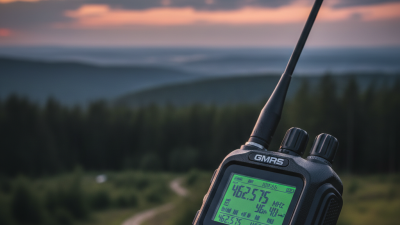
GMRS, or General Mobile Radio Service, operates in specific frequencies for two-way communication. Understanding these frequencies is essential for effective usage, especially in emergency situations. According to the Federal Communications Commission (FCC), GMRS frequencies range from 462 to 467 MHz. These channels offer a unique advantage: greater power and better signal range compared to FRS frequencies.
Tip: Familiarize Yourself with Frequency Range
Knowing the range helps avoid interference. Channels 1-7 are shared with FRS, while channels 8-14 are exclusive to GMRS. This knowledge allows users to maneuver effectively in varied environments, whether urban or rural.
Tip: Understand Licensing Requirements
GMRS requires a license for operation. This helps ensure clear communication and minimizes chaos on the airwaves. A recent report by the National Telecommunications and Information Administration indicates that licensed users experience over 30% fewer interference issues, supporting the value of responsible usage.
Despite having more powerful transmission capabilities, GMRS can be tricky. Not all devices guarantee reliable communication across extended distances. Practical experience shows that environmental factors play a significant role. Users should often test their equipment under different conditions for optimal performance.
Types of GMRS Frequencies and Their Applications
GMRS (General Mobile Radio Service) frequencies serve various applications in both recreational and emergency communications. Understanding the landscape of GMRS frequencies can empower users to utilize their capabilities effectively. GMRS operates on 462 MHz and 467 MHz bands, primarily handling voice communications, but also can be adapted for data transmission. A recent study by the Federal Communications Commission indicated that GMRS frequencies are becoming increasingly popular among outdoor enthusiasts and emergency responders.
Different types of GMRS frequencies suit various applications. The standard channels cater to personal use, while specific frequencies may be allocated for emergency communications or public safety needs. According to a report by the National Association of Broadcasters, approximate range effectiveness varies based on terrain and conditions, with GMRS frequencies achieving distances of up to 40 miles in open areas.
Tip: Always test your setup in different environments. Range can differ significantly. Pay attention to your devices' limitations. Additionally, using repeaters can enhance coverage and ensure clarity. Using the right frequency for your needs helps optimize signal strength. Remember, the less congested your frequency, the better your communication quality will be. Understanding GMRS frequencies reveals a versatile tool for those willing to explore them.
Top 5 GMRS Frequency Bands and Their Applications
This chart illustrates the distribution of GMRS frequencies and their common applications across various sectors. Each bar in the chart represents a frequency range along with its primary usage.
Regulations Governing GMRS Frequency Use
Understanding GMRS frequencies is crucial for effective communication, especially in emergencies. The General Mobile Radio Service (GMRS) is regulated by the Federal Communications Commission (FCC) in the United States. To use GMRS frequencies, users must obtain a specific license. This ensures that users follow proper protocols and minimizes interference.
Each GMRS operator must adhere to guidelines regarding frequency use. For example, GMRS allows for the use of repeaters, boosting signal range. However, there are restrictions on power levels. Users should be cautious about using higher wattage than permitted. Improper usage can lead to fines or loss of licensing.
Awareness of local regulations is essential. Different areas may have unique communication needs, affecting how GMRS frequencies are utilized. Engaging with local users can provide insights and foster community support. Remember, effective frequency use requires both knowledge and responsibility.
Tips for Choosing the Right GMRS Frequency
Choosing the right GMRS frequency is crucial for effective communication. General Mobile Radio Service (GMRS) operates between 462 and 467 MHz, and understanding these frequencies helps avoid interference. According to the FCC, GMRS can support family communications over several miles, but frequency selection matters significantly.
One key consideration is range. Frequencies with lower numbers usually provide better coverage. However, higher frequencies can withhold clarity over shorter distances. Research indicates that obstructions, such as buildings, can impact signal strength drastically. Users often overlook these variances.
Additionally, the power output limits for GMRS radios can be up to 50 watts, allowing for broader coverage. But simply choosing a higher wattage doesn’t guarantee better communication. Users must also consider environmental factors that may hinder signal propagation. Understanding these nuances provides a more reliable framework for selecting appropriate frequencies. Frequent testing and adjustments might be necessary for optimal performance.
Top 5 Tips for Understanding GMRS Frequencies Effectively
| Tip |
Description |
Frequency Range (MHz) |
Usage Scenario |
| Understand GMRS Channels |
Familiarize yourself with the GMRS channel allocations to select the best for your needs. |
462.550 - 467.725 |
Family communications, outdoor activities. |
| Consider Licensing |
GMRS requires a license for operation; ensure compliance before use. |
N/A |
General use, especially where frequent communication is needed. |
| Height and Location Matter |
Position your antenna at a height and location that maximizes signal coverage. |
N/A |
Emergency situations, remote areas. |
| Use Repeaters |
Utilize repeaters to extend range and improve clarity of communications. |
N/A |
Long-distance communication. |
| Limit Interference |
Be aware of potential interference from other electronic devices and frequency users. |
N/A |
In crowded areas, during events. |
Common Mistakes to Avoid When Using GMRS Frequencies
Understanding GMRS frequencies can be challenging for many users. It’s vital to avoid common mistakes that can hinder effective communication. One frequent error is neglecting the correct channel setup. Ensure your GMRS radio is programmed to the right frequency. Double-check settings before important uses, such as outdoor adventures or emergencies.
Another mistake is not familiarizing oneself with the power limits of GMRS. Transmitting at higher power than allowed can cause interference. Use the appropriate wattage for your needs. This not only keeps communication clear but also ensures compliance with regulations. Familiarity with the GMRS range can improve your experience immensely.
Lastly, don’t overlook regular battery maintenance. Weak batteries can lead to communication failures. Always carry spares and check your equipment before use. This might seem like a minor detail, but it can significantly impact your operational reliability during critical moments. Being mindful of these simple aspects can enhance your understanding and use of GMRS frequencies.