Leave Your Message

Why Are Two-Way Radios Essential for Global Buyers?

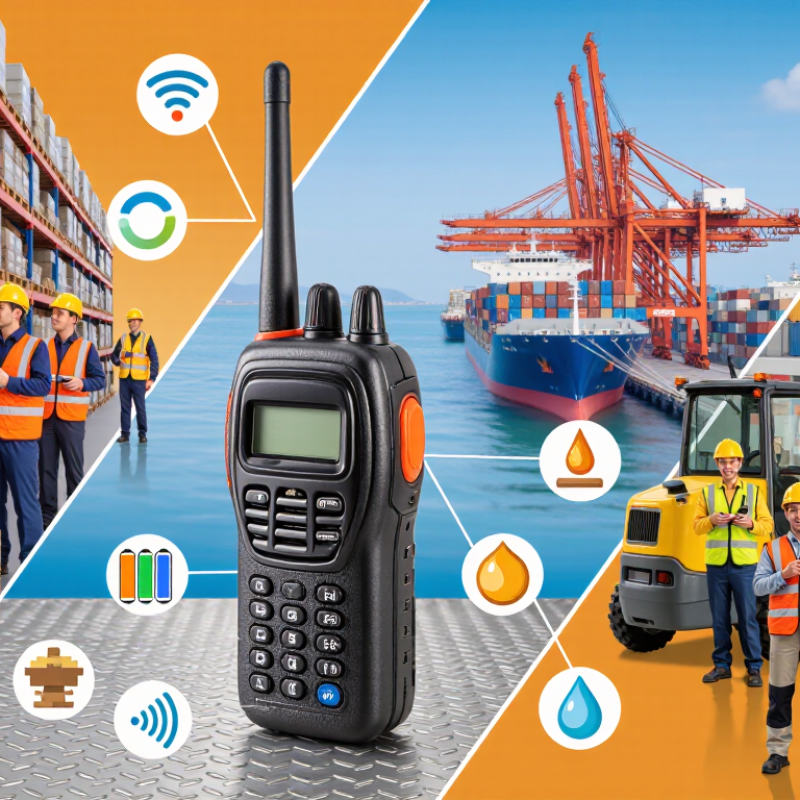
For global buyers, Two-Way Radios are more than simple communication devices. They connect warehouse teams, construction crews, event staff, and field technicians when mobile coverage becomes unreliable. A radio clipped to a worker’s vest can deliver an urgent message within seconds. That speed may prevent delays, confusion, or unnecessary downtime.

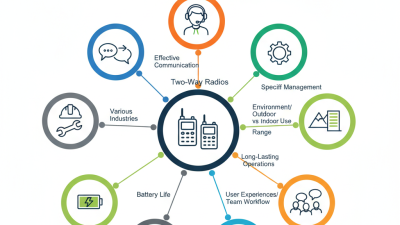
Experienced buyers usually examine more than purchase price. They compare coverage, battery life, audio clarity, durability, channel capacity, and user training requirements. In busy ports or large facilities, thick walls and machinery can weaken signals. Water, dust, and repeated drops create additional risks. Reliable suppliers should provide clear specifications, testing information, warranty terms, and responsive technical support. They should also explain regional frequency rules and import requirements without making unsupported promises. Compliance matters everywhere.

The right choice depends on the working environment. A lightweight model may suit retail teams, while industrial users may need stronger protection and longer battery performance. Compatibility also deserves careful review. Different brands may not communicate as expected, even when their product descriptions sound similar. That assumption can fail.

Global procurement is rarely perfect. Shipping delays, changing regulations, and unclear after-sales service can affect the final result. Buyers should request samples, verify documentation, and test radios in realistic conditions before placing large orders. Practical testing often reveals problems that brochures hide. With careful evaluation, Two-Way Radios can support safer coordination, steadier operations, and more confident international purchasing decisions.
Why Are Two-Way Radios Essential for Global Buyers?

What Two-Way Radios Are and How They Enable Instant Communication

Why Are Two-Way Radios Essential for Global Buyers?

A two-way radio is a portable device that sends and receives voice communication through radio signals. Unlike a phone, it usually works without cellular service. Users press a push-to-talk button, speak, and release it to listen. This simple action supports fast coordination in warehouses, construction areas, ports, hotels, and outdoor workspaces.

For global buyers, the real value is dependable communication during busy operations. A supervisor can contact several team members on one channel within seconds. However, performance depends on terrain, buildings, antenna design, battery condition, and local frequency requirements. A stated range may look impressive, but concrete walls can reduce it sharply. That detail is easy to overlook. Buyers should also check audio clarity, charging options, channel controls, emergency features, and compatibility with existing equipment. Testing radios in the actual workplace is more reliable than trusting specifications alone.

Tips: Compare tested range, not only advertised range. Keep spare batteries available. Label channels clearly. Train users before daily operations begin. Check frequency compliance in each target market. A short field test can reveal weak signals, uncomfortable controls, or poor battery life before a large purchase.
Why Global Buyers Need Reliable Communication Across Diverse Environments

Why Are Two-Way Radios Essential for Global Buyers?

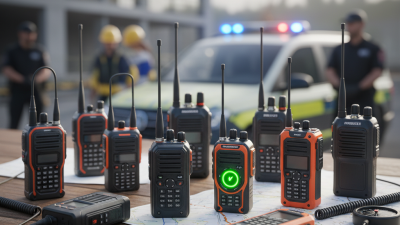
Global buyers often manage teams across warehouses, construction sites, ports, farms, and remote facilities. Each environment creates different communication problems. Thick concrete can weaken signals. Metal shelving can block transmissions. Rain, dust, and noise may reduce clarity. Dead zones happen.

Reliable radios give workers a direct communication method when mobile networks become slow or unavailable. A supervisor can coordinate loading near a busy dock, while technicians report equipment issues from a distant service area. This speed can reduce confusion and prevent small delays from becoming costly interruptions.

Practical experience shows that specifications alone are not enough. Buyers should test radios in real buildings, outdoor areas, and noisy work zones before placing a large order. Battery performance matters during long shifts. Simple controls help workers who speak different languages or receive limited training. Clear audio is essential near engines and machinery.

Procurement teams should also examine durability, charging options, repair support, and compatibility with existing communication systems. Local operating requirements may differ, so technical advice should come from qualified communication professionals. A low purchase price can become expensive when batteries fail early or accessories are difficult to replace. That detail matters.

No radio performs perfectly everywhere. Reflective walls, hills, weather, and human error still affect performance. Buyers need realistic coverage expectations, not impressive claims. A careful field trial may reveal weaknesses before they affect daily operations. That is often the uncomfortable, useful part.

Key Features That Support International Use and Operational Efficiency

Why Are Two-Way Radios Essential for Global Buyers?

Two-way radios support clear communication where mobile coverage becomes unreliable. On warehouses, construction sites, farms, and remote transport routes, teams need immediate contact. Push-to-talk reduces delays during loading, inspections, and shift changes. In practical use, a durable radio can save more time than a complicated communication system.

International buyers should examine frequency compatibility before ordering. Radio standards and permitted channels differ across countries. A suitable model should support approved regional settings and comply with local regulations. Multi-language menus can reduce training errors. USB-C charging, replaceable batteries, and battery status indicators also improve daily efficiency. Keep spare batteries nearby. This matters during long shifts.

Protection ratings help radios withstand dust, rain, and accidental drops. Clear audio, adjustable volume, and noise reduction are valuable near machinery. Emergency alerts and location features may support safer coordination, but they require careful privacy controls. Some advertised battery times seem optimistic. Real performance changes with transmit power, temperature, and usage frequency. Buyers should request test data instead of trusting a single number.

A well-designed radio system can connect teams across changing work areas. However, no device solves poor planning or unclear procedures. Users still need channel rules, charging routines, and short training sessions. Trialing a small group of units can reveal problems before a larger international purchase.

How Two-Way Radios Improve Safety, Coordination, and Emergency Response

Two-way radios support safety when people cannot rely on mobile networks. On a crowded worksite, one clear call can prevent a vehicle from entering a restricted area. Voices carry farther. That gap matters.

Effective coordination depends on simple habits. Teams can assign channels, confirm instructions, and use short, precise messages. A supervisor may guide workers around a blocked entrance while maintenance staff report a fault from another floor. In warehouses, radios reduce delays between drivers, loaders, and security personnel. Push-to-talk communication also keeps hands available for tools or protective equipment. Yet poor training can create confusion. A radio is useful only when users understand call signs, channel rules, and priority messages.

Emergency response requires preparation before an incident occurs. Staff should test batteries, audio quality, coverage, and backup charging points. Buildings, hills, metal structures, and heavy rain may weaken signals. Practice still matters. During a drill, teams can learn who contacts emergency services, who checks the area, and who records updates. I have seen communication plans fail because everyone assumed someone else would speak. That lesson is uncomfortable but valuable. Radios cannot replace evacuation procedures, first-aid training, or local emergency guidance. They strengthen those systems when people communicate calmly, verify information, and report changing conditions quickly.

Why Are Two-Way Radios Essential for Global Buyers? - How Two-Way Radios Improve Safety, Coordination, and Emergency Response

Operational Dimension Evidence-Based Data or Planning Value Safety and Coordination Benefit Global Buyer Consideration
Communication Range Typical planning range is approximately 1–3 km in built-up areas and 3–10 km in open terrain, depending on antenna height, obstructions, frequency, and power. Teams can coordinate without relying on cellular coverage, especially across warehouses, construction sites, farms, and outdoor facilities. Treat advertised maximum range as a line-of-sight estimate. Request site-specific range testing before large-scale deployment.
Battery Endurance Many professional handheld radios are designed for approximately 8–12 hours under a common 5/5/90 duty cycle: 5% transmit, 5% receive, and 90% standby. A full-shift operating target reduces communication gaps during inspections, patrols, logistics, and emergency operations. Compare battery capacity, charging time, spare-battery availability, and performance at low temperatures rather than capacity alone.
Water and Dust Protection An IP67 enclosure is dust-tight and can withstand temporary immersion in up to 1 metre of water for up to 30 minutes under laboratory conditions. Protection against dust, rain, and accidental drops into shallow water helps maintain communication in harsh work environments. Confirm whether the rating applies to the complete radio, battery, accessory ports, and charging interface.
Group Communication One-to-many calling allows a message to reach an assigned team simultaneously instead of requiring separate one-to-one calls. Supervisors can issue evacuation, traffic-control, weather, or task updates quickly and consistently. Check the number of programmable channels, talk groups, priority channels, and user permissions.
Emergency Alerting Common emergency functions include a dedicated alert button, priority transmission, man-down detection, lone-worker monitoring, and location sharing, depending on the system. A dedicated alert pathway can help workers request assistance when normal voice communication is difficult or unsafe. Verify whether alerts work locally, through a repeater, or through a connected dispatch platform, and test them during drills.
Network Independence Direct radio-to-radio operation can continue when mobile networks are congested, unavailable, or damaged, provided users remain within usable radio coverage. Teams retain a dedicated communication channel during outages, disasters, remote work, and crowded public events. Determine whether direct mode is sufficient or whether the site requires repeaters, gateways, or a wider-area network.
Response Speed Push-to-talk communication typically requires only a button press and does not depend on dialing, ringing, or individual call acceptance. Shorter communication steps support faster hazard reporting, worker check-ins, and coordination of first-response actions. Measure actual call setup time, channel occupancy, and user response during realistic operating conditions.
Audio Performance Front-facing speakers, noise suppression, and high-audio-output designs are commonly used for industrial and outdoor environments. Clearer speech helps reduce repeated messages and misunderstandings near machinery, vehicles, crowds, or severe weather. Evaluate intelligibility in the actual noise environment instead of relying only on speaker volume specifications.
Operating Temperature Professional equipment is often specified for broad operating ranges, commonly around −20°C to +55°C, but the exact range varies by model and battery. Reliable operation supports communication in cold-chain logistics, winter operations, kitchens, hot industrial areas, and outdoor work. Check the radio and battery specifications separately because extreme temperatures can reduce battery performance.
Regulatory Compatibility Frequency allocation, transmit power, licensing, type approval, and permitted channels differ by country and region. Correctly authorized equipment reduces the risk of interference with public-safety, aviation, maritime, or other critical services. Confirm local approval requirements before import, resale, or deployment. A radio legal in one country may not be legal in another.
Deployment Scalability A scalable system may support multiple channels, user groups, repeaters, dispatch consoles, GPS functions, and fleet-management tools. The same communication structure can be expanded from a small team to multiple departments or sites. Assess interoperability, programming tools, accessories, training needs, and total ownership cost over the expected service life.
Planning note: Range, battery endurance, emergency functions, and regulatory status vary by equipment, configuration, terrain, climate, and jurisdiction. Buyers should validate specifications through local compliance checks and on-site testing.

Factors Global Buyers Should Evaluate Before Choosing a Radio System

Why Are Two-Way Radios Essential for Global Buyers?

Two-way radios support fast communication when mobile networks become congested, unavailable, or too costly. Global buyers should evaluate the operating environment before comparing equipment. A warehouse, construction site, hotel, and remote mine need different solutions. Map the required range carefully. Walls, steel structures, hills, and weather can reduce advertised coverage.

Local regulations deserve close attention. Radio frequencies, power limits, licensing, and equipment approvals vary between countries. Ask suppliers for clear compliance documents. Confirm whether the system can operate legally in every target market. Digital and analog compatibility also matters when teams use mixed equipment. It can prevent an expensive replacement cycle.

Test the radios in realistic conditions. Check voice clarity beside machinery, battery life during a full shift, and button use with gloves. Small details matter. Review charging options, spare batteries, repair access, and technical support across regions. A rugged casing helps, but it does not replace proper testing. Buyers should also examine privacy controls, user permissions, and data handling practices. These features must match company policies and local requirements. Total cost includes accessories, training, maintenance, and future software needs. A low purchase price can become costly later. One practical warning remains: laboratory range figures may look impressive, yet real buildings often tell a different story.